
Stress, Tension & Your Nervous System: How Stress Shows Up in Your Body
Ongoing stress doesn't just live in your head — it shows up in your body as tight shoulders, a stiff neck, a clenched jaw, and hunched posture. This is a warm, honest look at how everyday stress translates into muscle tension and how it can affect your posture, plus healthy, practical ways to unwind it: movement, breathing, sleep, and regular breaks. General wellness guidance, not a treatment for any medical condition, from the library at Thrive Chiropractic in Troy, MI.
How Stress Shows Up in Your Body
Stress is easy to think of as purely mental — a busy mind, a long to-do list, a knot of worry. But anyone who's finished a hard week with aching shoulders and a stiff neck knows stress doesn't stay in your head. It shows up in your body, and often the first place you feel it is your muscles. This is one of the most relatable pieces of everyday wellness and healthy living: understanding how stress translates into physical tension, and what healthy habits help unwind it.
The rough idea is this. When you're under pressure, your body runs a built-in stress response designed to help you deal with a threat — and part of that response is to brace and tense your muscles, ready for action. That's genuinely useful in a short burst. The trouble comes when stress is low-grade and constant, as modern life often makes it, and those muscles stay partly braced for hours or days on end. Held that long, they get tight, achy, and tender, and you feel it as physical tension.
A note on scope before we go on: this article is about the ordinary, physical side of everyday stress — the tight-shoulders, stiff-neck experience — and healthy habits that help. It is not a treatment for anxiety, depression, or any medical condition, and it isn't a substitute for mental-health care. If stress is seriously affecting your life, mood, or health, that deserves professional support, which we'll come back to at the end.
Where You Hold Tension
Most people have signature spots where stress settles, and a few are almost universal. Noticing yours is the first step to releasing it.
- Shoulders and upper back. Under pressure, many people unconsciously hike their shoulders up toward their ears and hold them there. Do that for hours and the muscles across the tops of your shoulders and upper back get tight and sore.
- Neck. Tension in the shoulders rarely stays put — it creeps up into the neck, which stiffens and aches, especially when stress pairs with long hours looking down at a screen or phone.
- Jaw. A surprising amount of stress lands in the jaw. Clenching or grinding, often without noticing — sometimes even during sleep — leaves the jaw and the muscles around it tight, and can feed into headaches.
None of this is exotic or alarming; it's the ordinary, physical fingerprint of stress. And crucially, awareness helps. Simply catching yourself with your shoulders up around your ears or your jaw clamped shut — and consciously letting them drop — is a small, free, genuinely useful habit you can practice any time.
Stress, Posture, and Tension Headaches
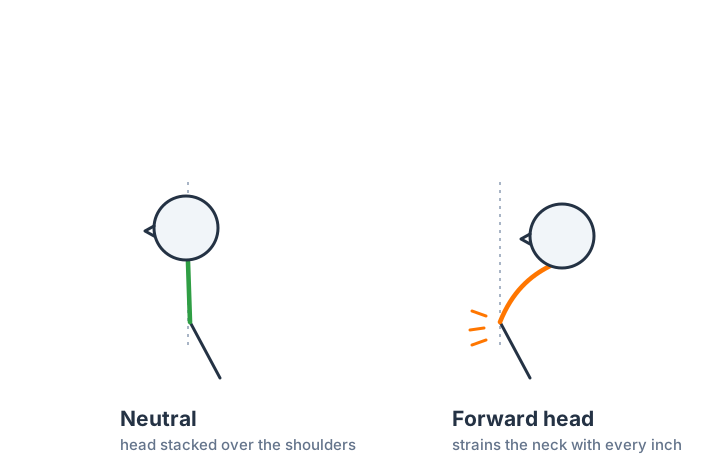
Stress and posture feed each other in a way worth understanding. Beyond bracing individual muscles, stress tends to pull the whole body into a hunched, protective shape — shoulders rounded forward, head dropped, upper back curled. It's an instinctive, guarded posture, and when stress is chronic it can become something like a default way of holding yourself.
That matters because posture and muscle tension are a two-way street. A stress-driven hunch loads the neck and upper back and keeps those muscles working overtime, which adds tension — and existing postural strain, say from a long day at a desk, gives stress-related tension an easy foothold. The two compound. If desk posture is a big part of your day, our guides to everyday posture tips and desk ergonomics and workstation setup pair naturally with the stress side covered here.
One common, tangible result of all this tightness is the ordinary tension-type headache — the familiar band-like tightness or ache many people get when the muscles of the neck, shoulders, and scalp are tense and overworked. It's a good example of how "just stress" can produce something you genuinely feel. Easing the physical tension often helps, though persistent or severe headaches are always worth having properly evaluated rather than pushing through.
Movement as a Release Valve
If tension is stress bracing your muscles, movement is one of the most reliable ways to let it out. Physical activity gives that keyed-up, braced-up energy somewhere to go, loosens tight muscles, and tends to leave both body and mind noticeably calmer afterward. You don't need a punishing workout — for discharging everyday tension, consistency and enjoyment matter far more than intensity.
A few approaches that tend to help:
- Go for a walk. A brisk walk, especially outdoors, is one of the simplest and most effective ways to shed stress and loosen up. It's gentle, free, and easy to keep up.
- Stretch the tight spots. Gentle stretches for the shoulders, neck, and upper back can directly ease the areas where tension collects. Our guide to stretching for spinal health walks through easy, safe options.
- Do something you actually enjoy. Yoga, swimming, cycling, dancing, a sport — whatever you'll come back to. The best tension-releasing activity is the one you'll keep doing, and the enjoyment itself helps.
- Break up long sitting. Staying planted in a chair lets tension build. Getting up to move regularly — even briefly — keeps it from settling in, which ties into staying active with a desk job.
The point isn't to add another stressful obligation to your day. It's to find movement that feels good and works as a regular release valve for the tension stress leaves behind.
Breathing, Breaks, and Slowing Down
Movement discharges tension; a couple of even simpler habits help stop it building up in the first place. Both work with your nervous system rather than against it.
The first is breathing. When you're stressed, breathing tends to go shallow and quick, which keeps the body in a keyed-up state. Deliberately slowing it down — easy, relaxed breaths, letting the exhale be a little longer — is a simple, always-available way to help your body shift toward a calmer gear, which in turn eases the muscle bracing that rides along with stress. It's not a cure for anxiety or a medical treatment, but as an everyday tool for ordinary tension it's genuinely useful and costs nothing. A few slow breaths in a stressful moment, or during a tight stretch at your desk, is a small habit worth building.
The second is breaks. Long, unbroken stretches of pressure — hunched at a desk, grinding through a to-do list — let tension quietly accumulate. Short, regular pauses interrupt that: stand up, roll your shoulders, look away from the screen, take a slow breath or two, walk to refill your water. None of it is dramatic, but sprinkled through the day these small resets keep stress from steadily stacking up as physical tightness.
Sleep and the Bigger Picture
Stress and sleep are tightly linked, and the link runs both ways: stress can make it harder to sleep well, and poor sleep leaves you more frazzled, more tense, and more sensitive to aches the next day. It's easy to get caught in that loop, which is why protecting your sleep is one of the most valuable things you can do for stress-related tension — a well-rested body simply handles pressure with more slack.
The everyday fundamentals help most: keeping a fairly regular schedule, winding down before bed rather than working or scrolling right up to lights-out, and giving yourself a calm, comfortable space to sleep in. Our guide to sleep and recovery goes deeper on building rest that actually restores you.
Zoom out and the theme is that these habits work together. Movement, breathing, breaks, and sleep aren't separate tricks so much as a general way of living that keeps stress from piling up in your body. No single one is a magic fix — it's the combination, kept up steadily, that keeps you feeling looser and more resilient.
How Chiropractic Care Fits In
Chiropractic care sits squarely on the physical side of stress. When tension has settled into tight muscles and stiff, restricted joints — the achy shoulders, the stiff neck, the jammed upper back — hands-on care can help release it. At Thrive Chiropractic in Troy, MI, that typically means adjustments to restore easy motion to stiff spinal joints and soft-tissue or massage therapy to work out the tight, overworked muscles where stress collects. Many people find that loosening the physical tension leaves them feeling generally more at ease.
Dr. Rubinstein also looks at the posture and daily habits feeding into your tension — how you sit, how your workstation is set up, how you move through the day — since addressing those helps the relief last. For tension that centers in the neck and head, upper cervical care may factor in. What chiropractic care does not do is treat stress itself, and it's no substitute for mental-health care. It works best as one supportive piece — easing the body's share of the load — alongside the self-care habits above and, where needed, proper professional support for the emotional side.
That professional support has a firm place, because some signs mean it's time to seek help rather than manage on your own.
Frequently Asked Questions
Stress and physical tension raise practical questions — whether stress really causes neck and shoulder pain, why tension lands in the shoulders and jaw, how to relieve it naturally, whether deep breathing actually helps, and whether a chiropractor can help with the physical side. Those are answered in detail in the FAQ section on this page, and the honest through-line is that movement, breathing, breaks, and sleep are supportive wellness habits — not treatment for anxiety or any medical condition.
If tension has settled into tight muscles and a stiff neck and you'd like help with the physical side, schedule a visit with Dr. Rubinstein at Thrive Chiropractic in Troy, MI — and you'll be pointed toward the right professional for the emotional side if that's what you need. You can also explore the wider Wellness & Healthy Living library, including sleep and recovery and stretching for spinal health.
Healthy Spine & Wellness Guide (PDF)A one-page take-home guide: everyday habits for a healthier spine, and the warning signs worth getting checked.PDFThis article is for general education and is not a substitute for professional medical advice, diagnosis, or treatment. Always consult a qualified healthcare provider about your specific situation.
Frequently Asked Questions
Can stress cause muscle tension and neck or shoulder pain?
Yes — it's a very common, everyday experience. When you're stressed, your body's natural stress response tends to brace and tense muscles, and if stress lingers, that tension can settle into your shoulders, neck, and jaw and leave them feeling tight and achy. Stress also nudges many people into a hunched, protective posture that adds to the strain. This is a normal way stress shows up in the body. Persistent pain still deserves a proper look rather than being written off as 'just stress.'
Why do I hold tension in my shoulders and neck?
The shoulders, neck, and jaw are classic spots to carry stress. Under pressure many people unconsciously raise and tighten their shoulders, tip the head forward, and clench the jaw, and holding those muscles braced for long stretches leaves them tight and tender. Long hours at a desk or on a phone can layer ordinary postural strain on top of the stress component. The good news is that movement, breathing, and regular breaks all help release it, and gentle awareness of when you're bracing goes a long way.
How can I relieve stress-related muscle tension naturally?
Several simple, healthy habits help. Regular movement — a walk, gentle stretching, or any activity you enjoy — is one of the most reliable ways to discharge built-up tension. Slow, relaxed breathing helps settle your nervous system, and taking short breaks through the day keeps tension from stacking up. Protecting your sleep matters too, since being run-down makes everything feel tighter and more sensitive. These are supportive wellness habits rather than medical treatment, and they work best kept up consistently.
Does deep breathing actually help with stress?
For many people, yes. Slow, easy breathing — especially letting the exhale be longer and more relaxed — is a simple way to help your body shift out of a keyed-up state and into a calmer one, which can ease the muscle bracing that comes with stress. It's not a cure for anxiety or a medical treatment, but it's a genuinely useful, always-available tool for everyday tension, and it costs nothing. A few slow breaths during a stressful moment or a tense stretch at your desk is a reasonable, honest habit to build.
Can a chiropractor help with stress-related tension?
Chiropractic care can help with the physical side of stress — the tight, restricted muscles and stiff joints that build up when you're carrying tension. Adjustments to restore motion and soft-tissue or massage work to release tight muscles can leave the body feeling looser, and Dr. Rubinstein also looks at the posture and daily habits that feed into it. What chiropractic care doesn't do is treat the stress itself or replace mental-health care — for the emotional side of ongoing stress, anxiety, or low mood, that's a matter for your physician or a mental-health professional.
Ready to get evaluated at Thrive Chiropractic?
Dr. Rubinstein will assess what’s really going on and build a care plan tailored to you. Reach out and we’ll get you scheduled.
2133 Crooks Road | Troy MI 48084