
Hydration & Your Spine: Why Water Matters for Discs, Joints & Muscles
Staying well hydrated is one of the simplest, most overlooked pieces of everyday spinal wellness. Your discs, joints, and muscles all rely on fluid to do their jobs comfortably. Here's a plain-English look at why water supports a healthy spine in a general way, practical habits to stay hydrated through a normal day, and how it fits into the broader wellness picture at Thrive Chiropractic in Troy, MI — kept honest and non-hype, not a treatment for any condition.
Why Hydration Matters for Your Spine
Of all the everyday wellness habits people fuss over, staying hydrated is one of the simplest — and one of the easiest to let slide. You can't feel your discs soaking up water or your joints staying lubricated, so hydration rarely gets the credit it deserves as a quiet, always-on part of keeping your body comfortable. The idea here is refreshingly low-drama: the tissues your spine relies on every day are largely made of water, so giving your body enough fluid helps them do their jobs the way they're meant to.
Let's be clear up front about what this is and isn't. Drinking water is a sensible piece of general wellness and healthy living — not a treatment, not a cure, and not a fix for any specific back or neck problem. What follows is a plain-English tour of why hydration supports a healthy spine in a general sense, plus practical habits to stay topped up through a normal day without overthinking it. Think of it as one useful habit among several, not a magic bullet.
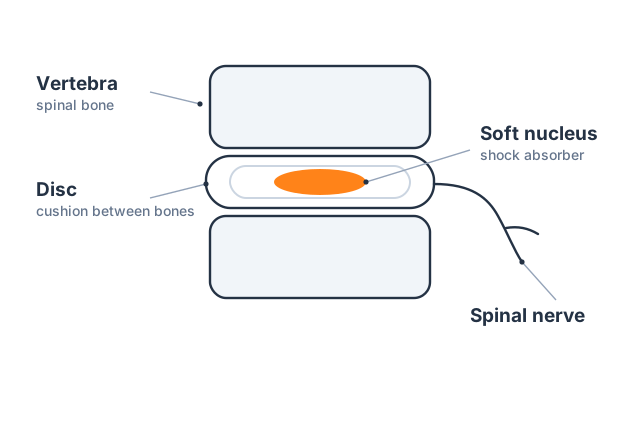
Your Discs Are Mostly Water
Between each pair of vertebrae in your spine sits an intervertebral disc — a tough, flexible cushion that lets your back bend and twist and helps absorb the loads of daily life. What's striking about these discs is how much water they hold, particularly in the soft, gel-like center. That high water content is a big part of what gives a healthy disc its springy, shock-absorbing quality.
Here's the everyday rhythm worth knowing: your discs naturally take fluid on and off through the day. When you're upright and loading your spine — standing, sitting, carrying things — a little fluid is gradually pressed out of the discs, and they lose a touch of height. Overnight, when you lie down and the pressure eases, they soak fluid back up and plump out again. It's completely normal, and it's why you're measurably a little taller first thing in the morning than at bedtime.
Staying reasonably hydrated supports that normal give-and-take. It's fair and honest to say hydration helps healthy discs function the way they're designed to. What it won't do is reverse disc wear, regrow a worn disc, or treat a diagnosed disc problem — those are different matters entirely. If you're dealing with something specific like degenerative disc disease, water is a supportive background habit, not the treatment.
Joints and Muscles Rely on Fluid Too
Your discs aren't the only water-dependent players. The small joints up and down your spine — and your joints elsewhere — are lubricated by synovial fluid, a slippery, fluid-based substance that lets the surfaces glide smoothly instead of grinding. Cartilage, the smooth cap on joint surfaces, is water-rich as well. Keeping your body well hydrated is part of keeping this whole system working the way it should.
Muscles are in on it too. Muscle tissue is largely water, and being well hydrated helps your muscles work and recover comfortably. Plenty of people notice that when they're short on fluids — say, after a hot day or a hard workout without drinking enough — they feel more prone to cramps and general achiness. That's a common, everyday experience rather than a diagnosis, but it's a reasonable nudge to keep the water coming.
None of this means dehydration is secretly behind most aches. It isn't — everyday back pain and neck pain usually trace to more direct drivers like posture, movement habits, and load. The honest takeaway is that hydration keeps the supporting cast comfortable and makes healthy movement easier, which is exactly why it belongs in a general wellness routine.
How Much Water Do You Actually Need?
This is where a lot of well-meaning advice gets too rigid. You've probably heard "eight glasses a day," and while that's a fine ballpark for many people, the truth is there's no single number that fits everyone. Your needs rise with activity, hot weather, and body size, and other factors shift them too. Rather than chasing an exact figure, use simple, reliable cues:
- Watch the color. Pale-yellow urine is a good, practical sign you're generally well hydrated. Consistently dark urine suggests you could use more; nearly clear most of the time may mean you're overdoing it.
- Listen to thirst. For healthy adults, thirst is a reasonable everyday signal. It's not perfect — it can lag a little, especially as you get older — but it's a sensible baseline to work from.
- Adjust for the day. Drink more when you're active, sweating, out in the heat, or unwell. A gym day or a summer afternoon simply calls for more than a quiet day at a desk.
And remember other drinks and foods count. Coffee and tea contribute despite their mild caffeine; milk, and water-rich foods like fruit, vegetables, and soups all add to your daily total. Plain water is just the simplest, sugar-free way to top up.
Practical Hydration Habits
Knowing you should hydrate is easy; actually doing it consistently is where people slip. The trick isn't willpower — it's setting things up so water is the path of least resistance. A few habits that tend to stick:
- Keep a bottle within reach. A refillable bottle on your desk, in your bag, or in the car cup-holder means you sip without thinking about it. Out of sight is out of mind, so visibility does a lot of the work.
- Drink with routines you already have. A glass of water with each meal, one when you first wake up, and one mid-afternoon anchors your intake to things you do anyway — no tracking required.
- Pair it with movement breaks. If you're at a desk, getting up regularly is its own wellness win. Tie a glass of water to each break and you knock out two good habits at once. Our guide to staying active with a desk job goes deeper on working movement into a seated day.
- Hydrate around activity. Have some water before you exercise, sip during if it's long or hot, and top up afterward. You don't need a complicated plan — just don't head into a sweaty session already behind.
- Flavor it if plain water bores you. A squeeze of lemon, a few berries, or cucumber can make water more appealing without added sugar, which helps you reach for it more often.
Hydration Is One Piece of the Puzzle
It's worth keeping hydration in proportion. Drinking enough water is a genuinely good, low-effort habit that supports the tissues your spine depends on — but it's one supporting piece of everyday wellness, not the whole picture and not a stand-alone fix. It works best alongside the habits that do the heavy lifting: regular movement, decent posture, sensible lifting, a balanced diet, and enough sleep.
At Thrive Chiropractic in Troy, MI, Dr. Rubinstein takes that whole-person view. If you come in for a wellness check-up or with a specific complaint, hydration might come up as one of several everyday habits worth tidying up — right alongside how you sit, how you move, and how you sleep. Hands-on care like an adjustment or massage therapy addresses what's happening in your joints and muscles directly, while good daily habits like staying hydrated support the results between visits. For more on the everyday-wellness side, see our companion guides on nutrition for bone and joint health and stretching for spinal health.
Water, though, is for supporting a healthy body — not for pushing through warning signs. Some symptoms mean it's time to see a professional, not reach for another glass.
Frequently Asked Questions
Hydration raises sensible, practical questions — whether water really helps your back, whether dehydration causes stiffness, how much to drink, whether coffee and tea count, and whether staying hydrated rehydrates your discs. Those are answered in detail in the FAQ section on this page, and the short version is consistent: staying well hydrated is a supportive general-wellness habit, not a treatment for any condition.
If you'd like a whole-person look at the everyday habits — hydration, movement, posture, and more — that keep you feeling your best, schedule a visit with Dr. Rubinstein at Thrive Chiropractic in Troy, MI. You can also explore the wider Wellness & Healthy Living library, including nutrition for bone and joint health and stress, tension, and your nervous system.
Healthy Spine & Wellness Guide (PDF)A one-page take-home guide: everyday habits for a healthier spine, and the warning signs worth getting checked.PDFThis article is for general education and is not a substitute for professional medical advice, diagnosis, or treatment. Always consult a qualified healthcare provider about your specific situation.
Frequently Asked Questions
Does drinking more water help your back?
Staying reasonably hydrated supports the tissues your spine depends on — the discs between your vertebrae, the fluid that lubricates your joints, and your muscles are all largely water. Being well hydrated is a sensible part of general wellness that helps these tissues do their everyday jobs comfortably. That said, water isn't a treatment for back pain and won't fix a specific problem on its own; it's one healthy habit among several, best paired with movement and good posture.
Can dehydration cause back pain or stiffness?
Being noticeably dehydrated can leave you feeling generally off — tired, achy, and low on energy — and some people notice more muscle cramping when they're short on fluids. Everyday spinal wellness is easier to maintain when you're reasonably hydrated. But most back pain has other, more direct drivers like posture, movement habits, and load, so it's better to treat hydration as supportive rather than as a cause or cure. New or persistent pain deserves a proper look rather than being chalked up to dehydration.
How much water should I drink for spinal health?
There's no single number that's right for everyone — your needs shift with your size, activity, the weather, and your overall health. A practical general guide most people can use is to drink steadily through the day and aim for pale-yellow urine. Thirst is also a reasonable everyday cue. If you have a medical condition or take medication that affects your fluid balance, ask your doctor what's appropriate for you rather than following a generic target.
Do coffee and tea count toward hydration?
For most people, yes — the water in coffee, tea, and other drinks does contribute to your daily fluids, and the mild diuretic effect of ordinary amounts of caffeine doesn't cancel that out. Plain water is still the simplest, sugar-free way to top up, and foods with high water content like fruit and vegetables add to the total too. If caffeine affects your sleep or you've been told to limit it, factor that in, but you don't need to treat every cup as if it doesn't count.
Will staying hydrated rehydrate my spinal discs?
Your discs do hold a lot of water and naturally take fluid on and off through the day — they lose a little height under load and soak fluid back up when you rest. Being well hydrated supports that normal give-and-take. It's fair to say hydration supports healthy disc function in a general sense, but it won't reverse disc wear or treat a diagnosed disc problem, and no amount of water regrows a worn disc. If you're dealing with a specific disc issue, that's a conversation for a professional.
Ready to get evaluated at Thrive Chiropractic?
Dr. Rubinstein will assess what’s really going on and build a care plan tailored to you. Reach out and we’ll get you scheduled.
2133 Crooks Road | Troy MI 48084