
What Causes Dizziness & Vertigo
Dizziness and vertigo have many possible causes — inner-ear conditions, the neck, blood-pressure changes, migraine, medications, dehydration, anxiety, and the serious central causes that are true red flags. This plain-English guide sorts them into the main buckets so you can understand your symptoms, describe them well, and know when to seek care at Thrive Chiropractic in Troy, MI.
Why Dizziness Has So Many Causes
Dizziness feels like one thing, but it's really a symptom — a signal that can come from any number of sources. Your sense of balance is a team effort between your inner ears, your eyes, your neck, your blood pressure, and your brain tying it all together. When any one of those inputs is off, the result can feel like spinning, faintness, or a foggy unsteadiness.
That's why "why am I dizzy?" rarely has a one-word answer. The useful move is to sort dizziness into a few big buckets, because each behaves differently and points toward a different kind of help. This overview walks through those buckets and links out to the more detailed guides in our vertigo and dizziness collection. It's meant to help you understand and describe your symptoms — not to self-diagnose, since several causes overlap and a couple are serious.
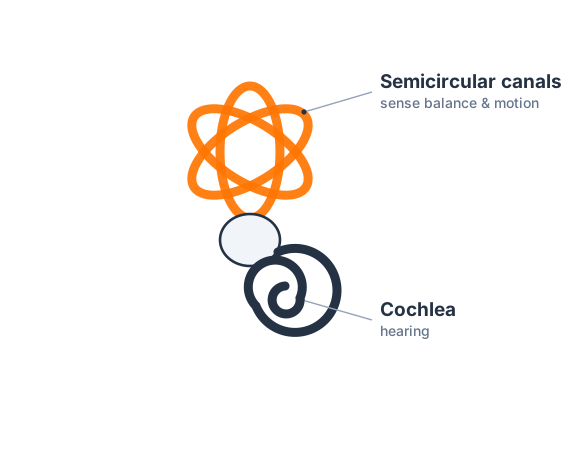
Inner-Ear Causes
Your inner ear houses the vestibular system, the balance organ that senses head motion. When it misfires, you often get true vertigo — a false sense that you or the room is spinning. The common inner-ear causes include:
- BPPV (benign paroxysmal positional vertigo) — brief, intense spinning triggered by specific head movements, like rolling over in bed or tipping your head back. Our guide to BPPV explains it in depth.
- Vestibular neuritis and labyrinthitis — inflammation of the balance nerve that can cause days of strong, constant vertigo, sometimes with hearing changes. See vestibular neuritis and labyrinthitis.
- Ménière's disease — episodes of vertigo paired with ringing, fullness, or fluctuating hearing in one ear. Our page on Ménière's disease covers the pattern.
Inner-ear vertigo is usually the "true spinning" kind, and it's not something chiropractic care treats directly — but recognizing it helps rule it in or out.
Neck-Related (Cervicogenic) Dizziness
Your upper neck is packed with position sensors that tell your brain where your head is in space. When those joints and muscles stiffen or become irritated — often after a neck injury such as whiplash — the signal they send becomes faulty, and your brain struggles to reconcile it with your eyes and inner ears. The result is a foggy, off-balance feeling rather than a violent spin.
This is cervicogenic dizziness, and it's the bucket where gentle chiropractic care most directly helps. It usually travels with neck pain, stiffness, or tension, and it's closely tied to the region our upper cervical care is built around. If your dizziness started after a car accident, it may overlap with an auto-accident neck injury. Our full guide to cervicogenic dizziness explains how to recognize it and how it's addressed.
Blood-Pressure and Circulation Causes
A very common kind of dizziness has nothing to do with the inner ear or neck — it's about blood flow. When your blood pressure drops, less blood briefly reaches your brain, and you feel lightheaded, faint, or "greyed out."
The classic version is orthostatic dizziness — that head-rush when you stand up too quickly. It's often tied to dehydration, certain medications, or standing after sitting a long time. Our guide to dizziness when standing up covers this pattern and how to ease it. This kind of dizziness feels like faintness rather than spinning, which is a useful clue when you're trying to describe it.
Vestibular Migraine
Migraine doesn't always mean a throbbing headache. Vestibular migraine is a form of migraine where the leading symptom is dizziness or vertigo — sometimes with little or no head pain at all. Episodes can last minutes to hours and often travel with light and sound sensitivity, nausea, or motion sensitivity.
Because it can mimic inner-ear conditions, vestibular migraine is easily missed for years. If you have a history of migraines and unexplained dizziness, it's worth considering. Our detailed guide to vestibular migraine explains how to tell it apart and how the neck can add to the picture.
Everyday Causes: Medications, Dehydration, Low Blood Sugar
Some of the most common dizziness has plain, everyday roots:
- Medications — blood-pressure drugs, sedatives, and some others list dizziness as a side effect. If yours started after a new prescription, mention it to your doctor.
- Dehydration — not drinking enough, or losing fluids to heat or illness, thins your blood volume and can leave you lightheaded.
- Low blood sugar — skipping meals or a long gap without eating can make you feel shaky, faint, and dizzy.
These causes are usually reversible once you spot them, and they're worth checking before assuming something more complicated is going on.
Anxiety and Dizziness
Dizziness and anxiety feed each other. A surge of anxiety can bring on lightheadedness, a floating or unreal feeling, and rapid breathing that adds to the dizziness — and the dizziness then fuels more worry. This is a real, physical experience, not "all in your head," and it can coexist with any of the other causes above.
Naming it as a possible contributor matters, because dizziness driven partly by anxiety responds to different support than an inner-ear or neck cause. A proper evaluation helps sort out how much each factor is playing in.
Central Causes: The Red-Flag Category
Most dizziness comes from the buckets above and isn't dangerous. But a small, important category comes from the brain itself — problems with blood flow to the brain, including stroke. These are the true red flags, and they behave differently: dizziness that arrives suddenly and severely, paired with neurological signs like slurred speech, weakness, or vision loss.
This is the one bucket that is a medical emergency, not something to watch or manage at home. The callout below spells out exactly what to act on.
How Thrive Fits Into the Picture
At Thrive Chiropractic in Troy, MI, our role in this picture is specific and honest: we address the neck-related contributor to dizziness. When the exam points to stiff, irritated upper-neck joints sending faulty balance signals, gentle upper cervical care and massage therapy can help quiet that input.
We don't treat inner-ear conditions, migraine, or blood-pressure causes directly. So when you come in, Dr. Rubinstein starts by screening for red flags and making sure the other causes have been properly considered — then focuses on the neck component if that's where the picture leads. Our guides to chiropractic for vertigo and cervicogenic dizziness explain that role in more detail.
When to Seek Prompt or Emergency Care
Beyond the emergency red flags above, get a prompt medical evaluation for dizziness that is new, persistent, or clearly different from your usual pattern so the cause can be pinned down. Recurring dizziness — especially paired with neck pain — is worth having looked at rather than living around.
For the neck-related part of the picture, once the serious causes have been cleared, a chiropractic evaluation is a natural fit. When you're ready, you can schedule a visit here.
Frequently Asked Questions
The questions Dr. Rubinstein hears most about the causes of dizziness — which are most common, whether the neck can really be behind it, and when dizziness signals something serious — are answered in the FAQ section on this page. If your situation isn't covered there, the team is glad to talk it through before you come in.
Vertigo & Dizziness Guide (PDF)A one-page take-home guide: steps that help vertigo, common causes, and the warning signs that need urgent care.PDFThis article is for general education and is not a substitute for professional medical advice, diagnosis, or treatment. Always consult a qualified healthcare provider about your specific situation.
Frequently Asked Questions
What's the most common cause of dizziness?
There's no single answer, but inner-ear conditions — especially BPPV, a brief spinning triggered by head movements — are among the most common causes of true vertigo. Blood-pressure dips when you stand, dehydration, and medication side effects are also very common for the lightheaded, faint kind of dizziness. Because the causes behave so differently, the pattern of your symptoms is what points toward the likely source.
Can my neck really make me dizzy?
Yes. Your upper neck feeds your brain a constant stream of position information that helps keep you balanced. When those joints and muscles are stiff or irritated — often after an injury — that signal can become faulty and leave you feeling foggy and off-balance. This is called cervicogenic dizziness, and it's the type where gentle chiropractic care most directly helps.
How do I figure out which cause is behind my dizziness?
Start by noticing the details: whether it spins or feels faint, how long episodes last, what triggers them, and whether other symptoms travel along — neck pain, hearing changes, headaches, or feeling faint on standing. Those details help a provider narrow things down. Because some causes are serious, persistent or severe dizziness always deserves a proper evaluation rather than guesswork.
When is dizziness a sign of something serious?
Dizziness or vertigo with any sign of a stroke — sudden slurred speech, facial droop, one-sided weakness or numbness, double vision or vision loss, severe imbalance, or the worst headache of your life — is a 911 emergency. New hearing loss with vertigo, fainting, or chest pain also needs urgent care. Most dizziness isn't dangerous, but these red flags should never be brushed off.
Can chiropractic care help with dizziness?
It can help with the neck-related piece. When stiff upper-neck joints are sending faulty balance signals, restoring motion to that region often quiets the foggy, off-balance feeling. Chiropractic care doesn't treat inner-ear conditions, migraine, or blood-pressure causes directly, so at Thrive we focus on the neck component and make sure the other causes have been properly considered first.
Ready to get evaluated at Thrive Chiropractic?
Dr. Rubinstein will assess what’s really going on and build a care plan tailored to you. Reach out and we’ll get you scheduled.
2133 Crooks Road | Troy MI 48084