
Vertigo vs. Dizziness vs. Lightheadedness
"Dizziness" means different things to different people — spinning, faintness, or unsteadiness — and naming yours correctly helps a provider find the cause faster. This guide defines vertigo, lightheadedness (presyncope), and disequilibrium in plain English so you can describe your symptoms accurately, plus how the terms guide diagnosis and care at Thrive Chiropractic in Troy, MI.
Why the Words Matter
When two people say they feel "dizzy," they can mean completely different things. One means the room is spinning. Another means they feel like they might faint. A third means they're wobbly on their feet. All three call it dizziness — but they're describing three different sensations, each pointing toward a different cause.
That's why the words matter. "Dizziness" is really an umbrella term, and getting underneath it to the specific sensation is the single most helpful thing you can do when something's off. This guide defines the three main types — vertigo, lightheadedness, and disequilibrium — in plain English, so you can describe yours accurately. It sits within our broader vertigo and dizziness collection, and it's built to sharpen your description for a provider, not to diagnose the cause on your own.
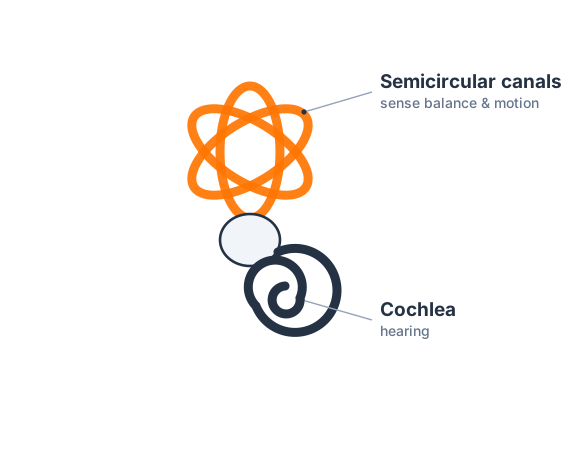
Vertigo: A False Sense of Spinning
Vertigo is a false sense of motion — most often the feeling that you or the room around you is spinning, tilting, or rocking, even though everything is perfectly still. It's a specific, recognizable experience: the world seems to move when it isn't. Vertigo is a type of dizziness, not a synonym for it.
Vertigo usually points toward the balance system — most often the inner ear. Brief spinning triggered by rolling over in bed suggests BPPV; days of strong, constant spinning can suggest vestibular neuritis or labyrinthitis; and spinning with ear ringing or fullness can point toward Ménière's disease. Vertigo can also come from the neck's balance signals or from migraine. Our guide to vertigo symptoms goes deeper on what true vertigo feels like.
Lightheadedness (Presyncope): Feeling Faint
Lightheadedness — clinicians sometimes call it presyncope — is the feeling that you're about to faint or pass out. Nothing spins; instead you feel woozy, "greyed out," maybe a little sweaty or your vision dims, as if you might drop. It usually passes quickly once you sit or lie down.
This type most often points toward blood flow rather than the balance organs. The classic trigger is standing up too fast, which drops your blood pressure for a moment — covered in our guide to dizziness when standing up. Dehydration, skipped meals and low blood sugar, and certain medications are common contributors too. The key distinction: lightheadedness feels like fainting, not spinning, and that difference steers the search in a very different direction.
Disequilibrium: A Sense of Imbalance
Disequilibrium is a sense of imbalance — feeling unsteady on your feet without the room spinning or the sense you'll faint. You might feel fine sitting down but wobbly when you stand or walk, as if you can't quite trust the floor. Some people describe it as veering to one side or needing to touch a wall for reassurance.
Because staying balanced draws on your inner ears, your eyes, your neck, and the sensation in your legs and feet, disequilibrium can come from any of those. In older adults it often reflects several small factors adding up. And a stiff, irritated upper neck can contribute its own off-balance quality — the theme of our guide to cervicogenic dizziness.
How the Terms Guide Diagnosis
Naming the type of dizziness narrows the list of likely causes before a single test is run. That's why a provider's first questions are usually about what the sensation is actually like. In broad strokes:
- Vertigo (spinning) steers toward the inner ear or the neck's balance signals — and sometimes migraine.
- Lightheadedness (feeling faint) steers toward blood pressure, circulation, dehydration, or medications.
- Disequilibrium (imbalance) steers toward the neck, the legs and feet, vision, or the balance system as a whole.
Details sharpen it further: how long episodes last, what triggers them, and what travels along — hearing changes, neck pain, headaches, or feeling faint on standing. Our overview of what causes dizziness and vertigo walks through each of those source categories. The point is simple: a good description does a lot of the narrowing, so the evaluation can go straight to the likely cause.
How to Describe Your Symptoms to a Provider
You don't need medical vocabulary to describe dizziness well — you need honest specifics. Before an appointment, try to answer:
- Which sensation fits best? Spinning (vertigo), faint (lightheadedness), or unsteady on your feet (disequilibrium) — or a mix, and which is strongest.
- How long does an episode last? Seconds, minutes, hours, or constant.
- What triggers or worsens it? Head movements, standing up, certain neck positions, busy visual scenes, or nothing obvious.
- What travels with it? Neck pain or stiffness, hearing changes or ringing, headache, nausea, or feeling faint.
Where the Neck Fits In
Among all these types, the neck plays its clearest role in vertigo and disequilibrium — the spinning and the unsteady-on-your-feet sensations. Your upper neck feeds your brain constant position information, and when those joints are stiff or irritated, that signal can become faulty and leave you foggy or off-balance.
This is where gentle chiropractic care fits the picture. When the exam points to a neck contribution, our upper cervical care and massage therapy can help quiet that faulty input. The neck is less often behind pure lightheadedness, which usually traces to blood pressure — another reason naming your sensation correctly helps point toward the right kind of help. If your symptoms began after a collision, an auto-accident neck injury may be part of the story.
When to Seek Prompt or Emergency Care
Whatever you'd call your dizziness, some symptoms signal something urgent and need immediate medical attention — not a chiropractic visit.
Short of an emergency, get a prompt medical evaluation for dizziness that is new, persistent, or clearly different from your usual pattern so the cause can be pinned down. For the neck-related part of the picture, once the serious causes are cleared, a chiropractic evaluation is a natural fit — you can schedule a visit here.
Frequently Asked Questions
The questions Dr. Rubinstein hears most about telling these sensations apart — vertigo versus lightheadedness, how to know which you have, and why the distinction matters — are answered in the FAQ section on this page. If your situation isn't covered there, the team is glad to talk it through before you come in.
Vertigo & Dizziness Guide (PDF)A one-page take-home guide: steps that help vertigo, common causes, and the warning signs that need urgent care.PDFThis article is for general education and is not a substitute for professional medical advice, diagnosis, or treatment. Always consult a qualified healthcare provider about your specific situation.
Frequently Asked Questions
What's the difference between vertigo and dizziness?
Dizziness is the umbrella term for feeling off — it covers several distinct sensations. Vertigo is one specific type: a false sense that you or your surroundings are spinning or moving, even when everything is still. So all vertigo is dizziness, but not all dizziness is vertigo. Sorting out which one you're feeling is the first step toward finding the cause.
Is lightheadedness the same as vertigo?
No. Lightheadedness — sometimes called presyncope — is the feeling that you might faint or pass out, often when you stand up too fast or haven't eaten. Vertigo is a spinning or motion sensation. They feel quite different and usually come from different sources: lightheadedness often points to blood pressure or circulation, while vertigo more often points to the inner ear or, sometimes, the neck.
How do I know which type of dizziness I have?
Ask yourself what the sensation is really like. If the room seems to spin or tilt, that's vertigo. If you feel like you might faint or black out, that's lightheadedness. If you feel unsteady on your feet — fine sitting, wobbly standing or walking — that's disequilibrium. It's common to feel a mix, and describing that mix honestly to a provider is more useful than forcing it into one box.
Why does naming the type of dizziness matter?
Because each type steers the search toward different causes. Vertigo points toward the inner ear or the neck's balance signals; lightheadedness points toward blood pressure, dehydration, or medications; disequilibrium points toward the neck, the legs and feet, vision, or overall balance. Getting the description right helps a provider narrow things down faster and avoid chasing the wrong cause.
Can I diagnose the cause myself from these definitions?
These definitions are meant to help you describe your symptoms clearly, not to diagnose the cause on your own. The categories overlap, some causes are serious, and only a proper evaluation can pin down what's actually driving your dizziness. Think of it as building a better description to bring to your provider — that's where these words really earn their keep.
Ready to get evaluated at Thrive Chiropractic?
Dr. Rubinstein will assess what’s really going on and build a care plan tailored to you. Reach out and we’ll get you scheduled.
2133 Crooks Road | Troy MI 48084