
Vertigo Symptoms & Warning Signs: What Vertigo Feels Like
Vertigo is more than feeling dizzy — it's a false sense that you or the room is spinning, often with nausea, imbalance, and jerky eye movements. This guide explains what vertigo actually feels like, the symptom patterns that matter, the warning signs that need urgent care, and how gentle chiropractic care at Thrive Chiropractic in Troy, MI can support the neck-related side of the picture.
What Vertigo Actually Feels Like
Vertigo isn't quite the same as "feeling dizzy." It's a false sense of movement — the room seems to spin or tilt around you, or you feel like you're the one turning, even though everything is perfectly still. Some people describe it as the world suddenly rotating, others as a swaying or rocking, as if the floor has turned into the deck of a boat. The common thread is a mismatch: your brain is being told you're moving when you aren't.
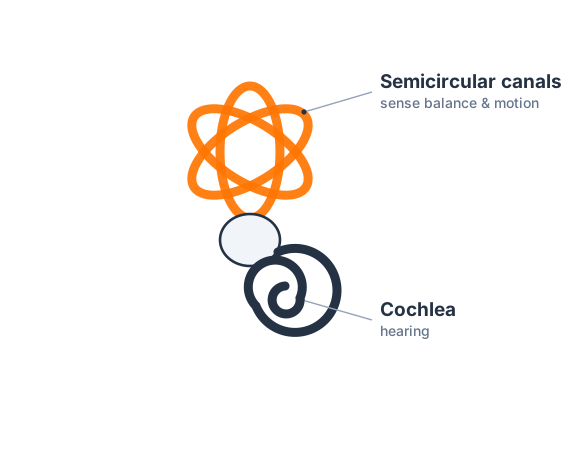
That mismatch is why vertigo can be so disorienting. Your sense of balance depends on three systems agreeing with each other — your inner ears, your eyes, and the position sensors in your neck. When one of them sends a faulty signal, your brain can't reconcile it with the others, and the result is that unmistakable spinning feeling. Vertigo is a symptom, not a diagnosis in itself, and it sits within the wider world of vertigo and dizziness that has several possible causes worth sorting out. If you're trying to pin down whether what you feel is truly vertigo, our guide on vertigo vs. dizziness walks through the distinction in more detail.
Common Symptoms That Travel With Vertigo
Vertigo rarely shows up alone. Because it stirs up the whole balance system, it usually brings company. The most common companions include:
- Nausea, and sometimes vomiting — the same sensory conflict behind motion sickness, since your brain gets movement signals that don't match reality
- Unsteadiness or imbalance, so you reach for a wall, feel like you might tip over, or walk as though the ground is unreliable
- Nystagmus — small, involuntary, jerky eye movements that a clinician can observe when the balance signals are out of sync
- A pulled-toward-one-side feeling, as if something is tugging you off center
- Sweating, clamminess, or a wave of feeling unwell during a strong episode
- Headache, ringing in the ears, or a sense of fullness, depending on what's driving the vertigo
Not everyone gets all of these, and the mix is itself a clue. Nausea and jerky eye movements point to the balance system being genuinely provoked, while a foggy, lightly off-balance feeling without true spinning may be pointing somewhere else entirely.
The Symptom Patterns That Matter
When it comes to vertigo, how your episodes behave often tells more than the spinning itself. Three broad patterns come up again and again, and each points in a different direction:
- Brief and positional — vertigo that lasts seconds to a minute and is set off by a specific head movement, like rolling over in bed, tipping your head back, or looking up. This on-and-off, position-triggered pattern is the hallmark of BPPV, the most common cause of vertigo.
- Sudden and constant — vertigo that comes on strongly and stays for hours to days, often with nausea and trouble walking. A sudden, unrelenting spin like this can point to inner-ear inflammation such as vestibular neuritis or labyrinthitis and deserves a prompt look.
- Recurrent episodes — vertigo that returns in distinct bouts, sometimes with hearing changes, ear fullness, light and sound sensitivity, or a migraine connection. This pattern shows up with conditions like Ménière's disease and vestibular migraine.
Noticing which pattern fits you won't give you a diagnosis on its own — patterns overlap, and some causes borrow features from more than one. But it gives whoever examines you a running start.
Vertigo vs. Other Kinds of Dizziness
Part of what makes vertigo confusing is that "dizzy" gets used for several very different sensations. Sorting them out helps you describe what you're actually feeling:
- Vertigo — a false sense of spinning or movement, as though you or the room is turning
- Lightheadedness — feeling faint or like you might pass out, which often has more to do with blood pressure than the balance system; our guide on dizziness when standing up covers this kind
- Imbalance — feeling generally unsteady on your feet without a clear spin
- A foggy, off-balance feeling — a vaguer sensation that can come from a stiff upper neck, poor sleep, or a number of everyday causes
These distinctions matter because they steer the evaluation in different directions. For a fuller breakdown of the many things that can leave you feeling off, see what causes dizziness.
When Vertigo Is an Emergency
The great majority of vertigo comes from the inner ear or the neck and, while miserable, isn't dangerous. But vertigo can occasionally be the outward sign of something happening in the brain rather than the balance organs — and that distinction is the single most important reason to know the warning signs.
Short of those red flags, vertigo that is new, severe, or clearly different from anything you've felt before still deserves a prompt medical evaluation so the cause can be pinned down. Our guide to vertigo red flags goes through the warning signs in more depth if you'd like a fuller reference.
How the Neck Fits Into the Picture
Here's a piece many people don't expect: your upper neck is part of your balance system. Along with your inner ears and your eyes, the joints and muscles at the top of your neck feed your brain a constant stream of information about where your head is in space. When that region is stiff or irritated, the signal it sends can become noisy — and a noisy balance signal can leave you feeling foggy, swaying, or unsteady. This neck-driven version is often called cervicogenic dizziness.
This doesn't mean the neck is behind every case of vertigo — inner-ear conditions have their own mechanisms, and they're common. But the neck is a contributor worth checking, especially when dizziness travels with neck pain or stiffness, or began after an old injury. It's the same region our upper cervical care is built around, and it's a layer that tends to respond well to gentle, hands-on care.
How Vertigo Symptoms Are Evaluated at Thrive
Because so many things can cause vertigo, the evaluation is what keeps care focused and safe. When you come in, Dr. Rubinstein starts with a detailed history: what your episodes feel like, how long they last, what triggers them, whether they come with nausea, hearing changes, or headaches, and whether neck stiffness travels with them. That story alone narrows the field considerably.
From there, the exam includes:
- A screen for red flags — ruling out the signs that point to an urgent central cause rather than something to manage in the office
- Upper-neck assessment — checking range of motion and gently palpating the upper cervical joints and muscles for restriction and tenderness
- Posture and movement checks — since a head-forward posture loads the very region that feeds your balance signal
- Coordinating with your medical team — when the picture points to an inner-ear or neurological cause, we work alongside the clinicians managing it
If the exam points to a neck contribution, care may include gentle upper-cervical adjustments, soft-tissue and massage therapy to ease tension at the base of the skull, and posture guidance to take daily strain off the region. For a fuller look at that side of care, see chiropractic for vertigo. When you're ready, you can schedule a visit here and start with the careful exam this deserves.
Frequently Asked Questions
The questions Dr. Rubinstein hears most about vertigo symptoms — what true vertigo feels like, why the eye movements happen, and when spinning is a warning sign — are answered in the FAQ section on this page. If your situation isn't covered there, the team is glad to talk it through before you come in.
Vertigo & Dizziness Guide (PDF)A one-page take-home guide: steps that help vertigo, common causes, and the warning signs that need urgent care.PDFThis article is for general education and is not a substitute for professional medical advice, diagnosis, or treatment. Always consult a qualified healthcare provider about your specific situation.
Frequently Asked Questions
What's the difference between vertigo and just feeling dizzy?
Dizziness is a broad word that covers lightheadedness, feeling faint, or a vague off-balance sensation. Vertigo is more specific — it's the false sense that you or your surroundings are spinning or moving when nothing actually is. Telling the two apart matters because they point to different causes, which is why describing exactly what you feel helps so much during an exam.
What are the eye movements that come with vertigo?
Those involuntary, jerky eye movements are called nystagmus. When the balance signals from your inner ears and neck don't line up, your eyes can flick rhythmically on their own. It's usually something a clinician observes during an exam rather than something you'd notice yourself, and the direction and timing of it help point toward the cause.
How long does a vertigo episode usually last?
It varies with the cause. Position-triggered vertigo often lasts seconds to a minute and settles when you hold still. Other kinds can last hours, and a sudden inner-ear inflammation can leave you feeling constantly spinning for days. Because the duration and trigger are such useful clues, it's worth noting how long yours last and what sets them off before your visit.
Can neck problems cause vertigo symptoms?
The upper neck feeds your brain a steady stream of information about where your head is in space, so a stiff or irritated neck can add a foggy, off-balance quality — sometimes called cervicogenic dizziness. It doesn't explain every case, which is why a careful exam comes first, but when the neck is a contributor it's a piece that responds well to gentle care.
Should I worry if my vertigo keeps coming back?
Recurring vertigo is worth having evaluated so the cause can be pinned down, but by itself it's usually not an emergency. What does need immediate care is vertigo paired with stroke-like signs — slurred speech, facial droop, one-sided weakness, double vision, or severe imbalance — or with sudden hearing loss, fainting, or chest pain. Short of that, a proper evaluation is the right next step.
Ready to get evaluated at Thrive Chiropractic?
Dr. Rubinstein will assess what’s really going on and build a care plan tailored to you. Reach out and we’ll get you scheduled.
2133 Crooks Road | Troy MI 48084