
Dizziness When Standing Up: Causes, Helps & When to Worry
That head-rush when you stand up too fast is usually a brief blood-pressure dip — but it isn't the only reason standing can make you dizzy. This guide explains how to tell orthostatic lightheadedness apart from true positional vertigo and neck-related dizziness, practical steps that help, and the signs that mean it's time to see a doctor. Plus how gentle chiropractic care at Thrive Chiropractic in Troy, MI supports the neck-related piece.
Why Standing Up Can Make You Dizzy
Almost everyone knows the feeling: you get up quickly, and for a few seconds the world goes light and swimmy before it settles. That momentary head-rush is extremely common and usually harmless. But "dizzy when I stand up" is actually an umbrella that covers a few different things — and telling them apart is what points you toward the right help.
The reason standing is such a common trigger comes down to gravity and balance. When you rise, blood tends to pool toward your legs, and your body has to react quickly to keep enough flowing to your brain. At the same time, standing is a position change, and position changes are exactly what can set off certain kinds of true vertigo. So the same everyday action can produce a blood-pressure dip, a spinning episode, or a foggy off-balance feeling — three different problems that happen to share one trigger. Standing dizziness sits within the broader picture of vertigo and dizziness, and sorting out which kind you have is the first step.
The Head-Rush: Orthostatic Lightheadedness
The classic version — the one most people mean — is orthostatic dizziness (sometimes called postural or orthostatic hypotension). "Orthostatic" simply means "related to standing." When you rise, your blood pressure briefly dips before your body compensates, and for a few seconds less blood reaches your brain. The result is that faint, lightheaded, about-to-gray-out feeling.
A few things make it more likely or more intense:
- Dehydration, which lowers your blood volume and makes the dip bigger
- Standing after lying down or sitting a long while, so your body has to adjust further and faster
- Heat — a hot shower, a warm day, or a sauna widens your blood vessels
- Getting up quickly, giving your body no time to catch up
- Certain medications, which we'll come back to in the warning-signs section
The key features of this kind: it hits right as you stand, it's a faint or lightheaded feeling rather than true spinning, and it usually clears within seconds if you pause and steady yourself. When it fits that description and happens only now and then, it's typically the ordinary head-rush. This is a different sensation from true vertigo, and our guide on vertigo vs. dizziness draws that line more fully.
When It's Actually Positional Vertigo
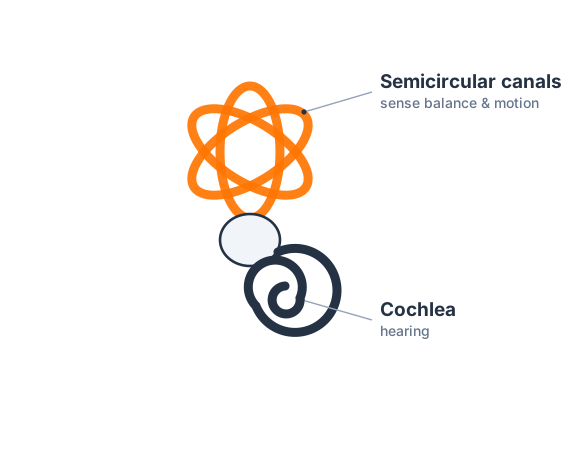
Sometimes standing doesn't just make you lightheaded — the room genuinely spins. When a change in head position sets off a brief, intense whirl, that points less to blood pressure and more to BPPV, the most common cause of true positional vertigo. In BPPV, tiny crystals in the inner ear shift out of place, so certain movements — standing, lying down, rolling over, tipping your head back — trigger a short but strong spinning sensation.
The tell is in the quality and the trigger. Orthostatic dizziness is a faint, swimmy head-rush that comes with standing specifically and eases in seconds. Positional vertigo is a true spin that any number of position changes can set off, often with nausea and sometimes a queasy aftermath that lingers a bit. They can be surprisingly easy to confuse in the moment, which is exactly why describing what you feel — faint versus spinning — helps so much. For a wider tour of the many things that leave people feeling off, see what causes dizziness.
When the Neck Is the Culprit
There's a third possibility that often gets overlooked: your neck. The joints and muscles at the top of your neck feed your brain a steady stream of information about where your head is in space — one of the three inputs, along with your inner ears and eyes, that keep you balanced. When that region is stiff or irritated, the signal it sends can become noisy, and a noisy balance signal can leave you feeling foggy, swaying, or off-kilter, especially as you move. This neck-driven version is called cervicogenic dizziness.
This kind tends to feel different from both the head-rush and true spinning: more of a persistent, foggy unsteadiness that travels with neck pain, stiffness, or a history of neck trouble. It won't explain every case of standing dizziness, but it's a contributor worth checking — and it happens to be the one that responds best to hands-on care. It's the same region our upper cervical care is built around.
Practical Ways to Ease It
For the ordinary head-rush, a handful of simple habits make a real difference:
- Stay well hydrated. Sip water through the day rather than waiting until you're thirsty — mild dehydration is one of the most common reasons the head-rush worsens.
- Rise in stages. Sit on the edge of the bed for a moment, let things settle, then stand. Give your body a beat to catch up rather than springing up.
- Pump before you stand. Flex your ankles and clench your calf muscles a few times before rising to help nudge blood back upward.
- Mind the heat. Step out of a hot shower slowly, and be extra deliberate about standing on warm days.
- Consider fluids and salt — with guidance. For some people, getting enough salt along with fluids helps steady blood pressure. Because more salt isn't right for everyone, check with your doctor before leaning on it.
If a stiff neck seems to be part of your picture, the same everyday care that helps the upper neck generally — bringing screens to eye level, taking posture breaks, and supporting your head at night — can ease that contributor too.
When Dizziness on Standing Needs a Doctor
Most standing dizziness is the harmless head-rush and settles with the habits above. But some patterns point to something that needs a proper look — and a few point to an emergency.
Short of an emergency, get a medical evaluation if you have any of these:
- Frequent fainting or near-fainting when you stand, rather than the occasional brief head-rush
- Dizziness that started or worsened after a new medication or dose change — blood-pressure pills, water pills, and some others are common culprits, so talk to the doctor who prescribed it rather than stopping on your own
- Heart-related symptoms alongside the dizziness, such as a racing, pounding, or irregular heartbeat, chest discomfort, or unusual shortness of breath
- Dizziness that's getting more frequent or more severe over time, or that regularly interferes with your day
These situations are about your heart, blood pressure, or medications, and a physician is the right person to sort them out.
How the Neck Piece Is Evaluated at Thrive
When your standing dizziness has a neck-related quality — a foggy unsteadiness that travels with stiffness or a history of neck trouble — that's a piece we can help with directly. It's important to be clear about scope: chiropractic care doesn't raise low blood pressure or manage a heart condition, and when the picture points that way we'll steer you to the right medical care. What we can address is the neck contribution.
When you come in, Dr. Rubinstein starts with a detailed history and then examines the region:
- A screen for red flags — making sure nothing points to an urgent cause that belongs with your physician
- Upper-neck assessment — checking range of motion and gently palpating the upper cervical joints and muscles for restriction and tenderness
- Posture and movement checks — since a head-forward posture loads the very region that feeds your balance signal
If the exam points to a neck contribution, care may include gentle upper-cervical adjustments, soft-tissue and massage therapy to release tension at the base of the skull, and posture coaching. For a fuller look at that side of care, see chiropractic for vertigo. When you're ready, you can schedule a visit here.
Frequently Asked Questions
The questions Dr. Rubinstein hears most about dizziness on standing — why it happens, whether more water helps, and when it points to something needing a doctor — are answered in the FAQ section on this page. If your situation isn't covered there, the team is glad to talk it through before you come in.
Vertigo & Dizziness Guide (PDF)A one-page take-home guide: steps that help vertigo, common causes, and the warning signs that need urgent care.PDFThis article is for general education and is not a substitute for professional medical advice, diagnosis, or treatment. Always consult a qualified healthcare provider about your specific situation.
Frequently Asked Questions
Why do I get dizzy every time I stand up?
The most common reason is a brief drop in blood pressure as you rise — gravity pulls blood toward your legs and your body takes a moment to catch up, leaving you momentarily lightheaded. It's often worse when you're dehydrated, have been sitting or lying a while, or after a hot shower. If it happens now and then and passes in seconds, it's usually the ordinary head-rush. If it's frequent or you nearly pass out, it's worth having checked.
Is dizziness on standing the same as vertigo?
Usually not. The head-rush on standing is lightheadedness — a faint, about-to-pass-out feeling tied to blood pressure. Vertigo is a false sense of spinning. They can feel similar in the moment, but they point to different causes. One clue: if the room truly spins when you change position, that leans toward positional vertigo rather than a blood-pressure dip.
Will drinking more water help dizziness when I stand up?
Often, yes. Mild dehydration is one of the most common reasons the head-rush gets worse, so staying well hydrated through the day tends to help. For some people, getting enough salt and fluids matters too — but because more salt isn't right for everyone, especially with high blood pressure or heart or kidney concerns, it's worth checking with your doctor before making that a habit.
Can my medications cause dizziness when I stand?
They can. Blood-pressure medicines, water pills, some antidepressants, and others can lower blood pressure or affect how your body adjusts when you stand. If your standing dizziness started or worsened after a new prescription or dose change, don't stop the medication on your own — talk to the doctor who prescribed it so they can weigh the options.
Can neck problems make me dizzy when I change position?
The upper neck feeds your brain a constant stream of balance information, so a stiff or irritated neck can add a foggy, off-balance quality — including when you move or change position. It's usually not the whole story on its own, which is why a careful exam comes first, but when the neck is a contributor it's a piece that tends to respond well to gentle care.
Ready to get evaluated at Thrive Chiropractic?
Dr. Rubinstein will assess what’s really going on and build a care plan tailored to you. Reach out and we’ll get you scheduled.
2133 Crooks Road | Troy MI 48084