
Chiropractic for Vertigo & Dizziness
Can chiropractic care help vertigo and dizziness? For some causes, yes — genuinely. This honest guide explains where gentle upper cervical chiropractic helps most (neck-related dizziness and positional vertigo), where it plays a supporting role alongside your medical team, what an evaluation looks like, and how Dr. Rubinstein at Thrive Chiropractic in Troy, MI rules out anything urgent first.
Can Chiropractic Help Vertigo?
The honest answer is: it depends on what's causing your dizziness — and for some causes, chiropractic care helps genuinely well. Vertigo is a symptom, not a single diagnosis, and the different things that produce it respond very differently to hands-on care. So the most useful thing this guide can do is be clear about where chiropractic shines, where it plays a supporting role, and where it isn't the answer at all.
Here's the short version. Chiropractic care helps most with two kinds of vertigo: neck-related (cervicogenic) dizziness, where a stiff or irritated upper neck feeds your brain a noisy balance signal, and positional vertigo (BPPV), which responds to gentle repositioning. For inner-ear diseases such as Ménière's disease or vestibular neuritis, care is supportive and co-managed with your medical team — not a cure. Which category you fall into is exactly what an evaluation is designed to sort out, and that's where every visit begins.
The Neck's Role in Balance
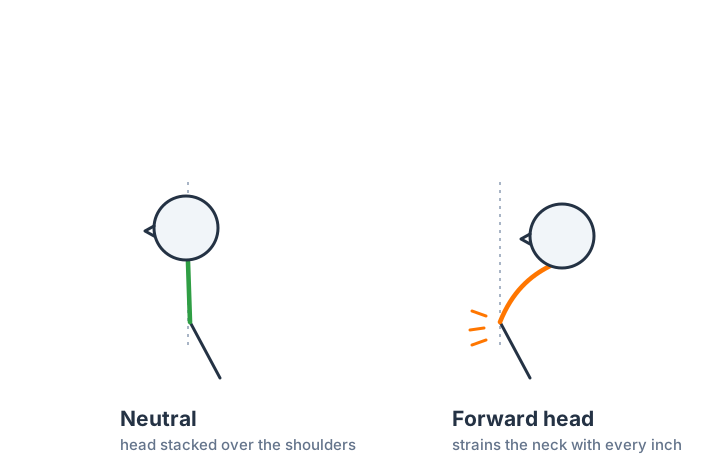
Your sense of balance draws on three inputs working together: your inner ears, your eyes, and the position sensors packed into your upper neck. That upper-neck region feeds your brain a constant stream of information about where your head is in space. When those joints and muscles are stiff or irritated, the signal they send can become noisy — and a noisy balance signal can leave you feeling foggy, swaying, or unsteady.
When the neck is the driver, the pattern has a name: cervicogenic dizziness. It often travels with neck stiffness, tends to follow an old neck injury or whiplash, and may worsen with certain head and neck positions. This is the region our upper cervical care is specifically built around, which is why neck-related dizziness is one of the situations where chiropractic care fits most naturally. If your symptoms started after a collision, that old neck irritation may be part of the story — our page on dizziness after a car accident walks through how that connection develops.
How Care Helps Positional Vertigo (BPPV)
BPPV — benign paroxysmal positional vertigo — is one of the most common causes of true spinning vertigo, and it responds especially well to hands-on care. It happens when tiny calcium crystals in your inner ear drift out of place and land where they don't belong, so certain head movements — rolling over in bed, tipping your head back, bending down — trigger a brief, intense spin.
The good news is that BPPV is often correctable with repositioning maneuvers — a sequence of guided head and body movements that gently coax those crystals back where they belong. When your exam points clearly to BPPV, this kind of repositioning is a targeted, drug-free approach that can settle the spinning, sometimes quickly. It's worth knowing that the maneuver has to match the affected ear and canal, which is why getting properly diagnosed first matters — our vertigo exercises guide explains the maneuvers and why professional diagnosis should come before you try them yourself.
Where Chiropractic Supports, But Doesn't Cure
Being honest about scope matters, because not every kind of dizziness is something chiropractic can fix — and you deserve to know that clearly. Inner-ear diseases sit in this category:
- Ménière's disease — a chronic inner-ear disorder with episodes of vertigo, hearing changes, and ear fullness. Chiropractic doesn't cure it; care is supportive, and your medical team leads its management.
- Vestibular neuritis and labyrinthitis — inflammation of the balance nerve or inner ear, usually after a virus. These are medical conditions that improve with time and vestibular rehab, not adjustments.
- Vestibular migraine — migraine that produces dizziness. Migraine is its own neurological condition; chiropractic addresses only any neck component that adds to the off-balance feeling.
In each of these, the value of care is real but specific: if a stiff neck is adding a layer on top of the primary condition, easing that layer can help — while the disease itself stays with the clinicians managing it. What chiropractic care never does is replace that medical management or promise a cure it can't deliver.
What an Evaluation Looks Like at Thrive
Because so many things can cause dizziness, the evaluation is what keeps care safe and focused. When you come in, Dr. Rubinstein starts with a detailed history: what your dizziness feels like (spinning, swaying, lightheaded), how long episodes last, what triggers them, whether hearing changes or neck stiffness travel with them, and whether it began after an injury.
From there, the exam includes:
- A screen for red flags first — ruling out signs that point to an urgent medical cause rather than something to manage in the office
- Upper-neck assessment — checking range of motion and gently palpating the upper cervical joints and muscles for restriction and tenderness
- Positional and balance checks — looking at how specific head and neck positions affect your symptoms, which helps separate BPPV and neck-related patterns
- Posture and movement review — since a head-forward posture loads the very region that feeds your balance signal
- Coordinating with your medical team — when the picture points to an inner-ear disease or migraine, we work alongside the clinicians managing it
That red-flag screen is the reason the exam comes first: it confirms your dizziness is coming from something care can safely help, and clears the way for the gentle work that follows.
What to Expect From Care
At Thrive Chiropractic in Troy, MI, care is shaped by what the exam finds — and it's honest about which category you're in. When the exam points to a neck component or BPPV, care may include:
- Gentle, specific chiropractic adjustments to restore motion to stiff upper-neck joints, an area addressed through upper cervical care
- Repositioning guidance when BPPV is identified, matched to the affected side
- Soft-tissue and massage therapy to release tension at the base of the skull and across the upper back
- Posture and ergonomic coaching to reduce daily strain on the region that feeds your balance signal
- A tailored plan — and, when an inner-ear disease or migraine is in the picture, clear communication with the clinicians managing it
The goal is specific rather than sweeping: address the neck and positional pieces care can genuinely help, and support — never replace — your medical team on the rest.
When Dizziness Needs Urgent Care Instead
Most dizziness is unpleasant but not dangerous. A small share, though, signals something urgent — and those symptoms need immediate medical attention, not a chiropractic visit.
Short of an emergency, get a prompt evaluation for dizziness that's new, persistent, or clearly different from your usual pattern, so the cause can be pinned down. Our dizziness red flags guide covers the warning signs in more detail. And once serious causes are cleared and a neck or positional component is in the picture, a chiropractic evaluation is a natural fit — you can schedule a visit here.
Frequently Asked Questions
The questions Dr. Rubinstein hears most about chiropractic and dizziness — whether it can help, how the neck plays a role, what's realistic to expect, and when care is safe — are answered in the FAQ section on this page. If your situation isn't covered there, the team is glad to talk it through before you come in.
Vertigo & Dizziness Guide (PDF)A one-page take-home guide: steps that help vertigo, common causes, and the warning signs that need urgent care.PDFThis article is for general education and is not a substitute for professional medical advice, diagnosis, or treatment. Always consult a qualified healthcare provider about your specific situation.
Frequently Asked Questions
Can a chiropractor help with vertigo?
For some causes, genuinely yes. Chiropractic care helps most with neck-related (cervicogenic) dizziness, where a stiff, irritated upper neck sends a noisy balance signal, and with positional vertigo (BPPV), which responds to gentle repositioning of the inner-ear crystals. For inner-ear diseases like Ménière's or vestibular neuritis, care is supportive alongside your medical team rather than a cure. The first step is always an exam to identify which kind of dizziness you have.
How does the neck cause dizziness?
Your balance relies on three inputs working together: your inner ears, your eyes, and position sensors packed into your upper neck. That upper-neck region feeds your brain a constant stream of information about where your head is in space. When those joints and muscles are stiff or irritated, the signal can become noisy, and a noisy balance signal can leave you feeling foggy, swaying, or off-balance. This neck-driven pattern is called cervicogenic dizziness.
Is chiropractic a cure for vertigo?
It depends entirely on the cause. For neck-related dizziness and BPPV, care can resolve the problem or bring lasting relief. For inner-ear diseases, chiropractic doesn't cure the condition — its role is supportive, easing any neck contribution while your medical team manages the disease itself. Dr. Rubinstein is upfront about which category you fall into after the exam, so you know what to realistically expect.
Is chiropractic adjustment safe for dizziness?
When it follows a careful exam, yes. The evaluation screens for red flags and identifies the cause before any hands-on care, and the upper neck is treated with gentle, specific techniques suited to that sensitive region rather than force. Sorting the cause first is exactly what keeps care safe — some kinds of dizziness need a medical path instead, and the exam is designed to catch those.
What kind of dizziness responds best to chiropractic?
Dizziness that travels with neck stiffness, follows an old neck injury or whiplash, or worsens with certain head and neck positions tends to respond best, because that points to a neck component care can address. Positional vertigo that's brief and triggered by specific movements, like rolling over in bed, also responds well to repositioning. A proper exam is what confirms whether your pattern fits.
Ready to get evaluated at Thrive Chiropractic?
Dr. Rubinstein will assess what’s really going on and build a care plan tailored to you. Reach out and we’ll get you scheduled.
2133 Crooks Road | Troy MI 48084