
Shin Splints: Causes, Relief & Load Management
Shin splints — medial tibial stress syndrome — are an overuse injury: an aching along the inner shin from doing too much, too soon, often made worse by worn footwear or foot mechanics. Most settle with load management, better footwear, and addressing the mechanics underneath. The one thing not to ignore is a focal, pinpoint bone pain that keeps worsening, which can signal a stress fracture. Here's what's happening, how to get relief, and how conservative care at Thrive Chiropractic in Troy, MI helps.
What Are Shin Splints?
Shin splints — known medically as medial tibial stress syndrome — are an aching pain along the inner edge of the shinbone (the tibia) that comes on with running, jumping, and other repetitive, high-impact activity. The word "splints" is misleading: this isn't a single dramatic tear or a moment of injury. It's an overuse injury, the tissue along the shin getting irritated and inflamed from being loaded more than it was ready for, over and over.
That distinction matters, because it points straight at the cause and the cure. Shin splints sit within the family of overuse injuries in the wider sports injuries picture — the ones that build up gradually rather than happen in an instant — and they're one of the most common complaints in runners and anyone who's ramped up their training. Because they come from too much, too soon, the fastest way out is managing that load and fixing what's driving it, rather than simply pushing through. One important exception runs through this whole guide: a focal, pinpoint bone pain that keeps worsening can mean the overload has crossed into a stress fracture, and that needs a different response.
What's Happening in Your Shin
Every time your foot strikes the ground, force travels up through the lower leg. The muscles of the calf and shin help absorb and control that impact, and they pull on the tissue that connects them to the tibia along its inner edge. In sensible amounts, the bone and tissue adapt and get stronger. Shin splints happen when the loading outruns that adaptation — the impact and the repetitive pull on the shin exceed what the tissue can recover from between sessions, and it becomes irritated and inflamed.
Two things feed this. First is simple volume and impact: more miles, harder surfaces, or more jumping than the tissue is conditioned for. Second is mechanics — how force is distributed as you land. Flat or over-pronating feet, tight or weak lower-leg muscles, and worn-out shoes all change the pull on the inner shin and concentrate stress there. Left unaddressed, that ongoing overload keeps the tissue irritated — and if the bone itself is repeatedly stressed beyond what it can repair, the problem can progress along a spectrum toward a stress reaction and then a stress fracture, which is exactly why the pinpoint-pain red flag matters.
Common Causes
Shin splints are an overload injury, so the causes almost always come back to a training error or the mechanics that make the load hit harder:
- Too much, too soon — ramping up mileage, intensity, or jumping faster than the tissue can adapt; the single most common cause
- Hard or changed surfaces — moving to concrete, a track, or a new terrain that increases impact
- Worn-out or wrong footwear — shoes past their cushioning life, or the wrong shoe for your foot, so the shin absorbs more load
- Foot mechanics — flat, over-pronating feet that increase the pull on the inner shin with every stride
- Tight or weak lower-leg muscles — calves and shin muscles that don't absorb impact well, passing more of it to the bone and tissue
- A sudden return to running after time off, going straight back to old volume on deconditioned legs
Two threads run through most of these: load and mechanics. A leg asked to do more than it's ready for, or one whose footwear and foot posture concentrate the stress, is a leg primed for shin splints — which is exactly where relief and prevention focus.
Common Symptoms
Shin splints have a recognizable pattern. You might notice:
- Aching or tenderness along the inner edge of the shinbone, usually spread over a stretch of several inches rather than one tiny spot
- Pain that starts with activity — often at the beginning of a run, sometimes easing as you warm up, then returning afterward
- Tenderness to the touch along the inner shin
- Pain that worsens with more running or jumping, and eases with rest
- A dull ache that lingers after activity in more stubborn cases
For typical shin splints, the discomfort is spread along the shin and improves with rest and reduced load. The pattern that should change your response is a focal, pinpoint pain over one small spot on the bone that keeps worsening, hurts even at rest or at night, and doesn't ease as you warm up — that points toward a stress fracture rather than shin splints, and it's covered in the evaluation and red-flag sections below.
Who's Most at Risk?
Anyone who loads their legs repetitively can get shin splints, but they're more likely when:
- You're a runner or do a lot of jumping — distance runners, sprinters, dancers, and court-sport athletes are classic
- You've recently increased your training — a jump in mileage, intensity, or frequency is the most common setup
- Your footwear is worn or wrong for your foot type, so the shin takes more of the impact
- You have flat or over-pronating feet, which increases the pull and load on the inner shin
- Your calves and lower-leg muscles are tight or weak, so less impact is absorbed by muscle and more reaches the bone
- You're new to a sport or returning after a layoff, going back to old volume on underprepared legs
Most cases happen where a training spike meets a mechanical vulnerability — more load than the tissue is ready for, on a leg whose footwear or foot posture concentrates the stress. Both sides of that are things you can change.
How Shin Splints Are Evaluated
The evaluation confirms it's shin splints, gauges what's driving them, and — crucially — screens for the stress fracture the overload can hide. At Thrive Chiropractic, Dr. Rubinstein starts with your history — your training and any recent changes in mileage, surface, or shoes, exactly where and when the pain shows up, whether it eases as you warm up or worsens through it, and whether it's a broad ache or a pinpoint spot.
The physical exam typically includes:
- Palpation along the inner shin to map the tenderness — a broad, spread-out area fits shin splints, while a sharply focal, pinpoint tender spot on the bone raises concern for a stress fracture
- Assessment of your foot posture and mechanics — checking for flat or over-pronating feet that concentrate load on the inner shin
- Checking lower-leg muscle tightness and strength and looking at your footwear and its wear
The exam confirms it really is shin splints, catches a possible stress fracture, and maps the mechanics underneath so the plan actually fixes the cause.
What to Expect at Thrive Chiropractic
At Thrive Chiropractic in Troy, MI, care for shin splints is conservative and aimed squarely at the cause — calm the irritated tissue, guide your training load so it can recover, and address the footwear and mechanics driving the overload. Care often includes:
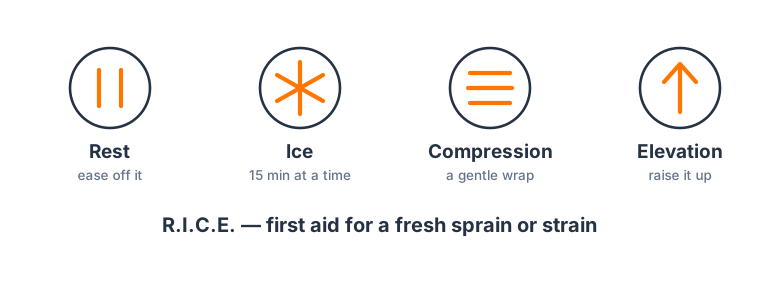
- Calming the aggravated tissue — reducing the load and using measures like ice and relative rest to settle the inflammation along the shin
- Soft-tissue and massage therapy for the tight calf and lower-leg muscles that pull on the shin, which can ease the tension feeding the problem
- Load-management coaching — the core of it — guiding how to back off the aggravating running or jumping and rebuild gradually so you don't re-injure it
- Addressing foot mechanics with proper footwear guidance and custom orthotics where flat or over-pronating feet are concentrating stress on the inner shin, as our custom orthotics for athletes guide explains
The plan is honest about the arc: shin splints settle when the overload is managed and the mechanics are addressed, not just when you rest a few days and go back to the same mileage. If the exam suggests a stress fracture, Dr. Rubinstein says so and coordinates imaging rather than pushing ahead.
Load Management & Getting Relief
Because shin splints are an overload injury, relief comes from managing the load — reducing what's aggravating the shin, then rebuilding it in a way the tissue can keep up with.
- Back off the aggravating load first. Reduce the running or jumping that's provoking the pain rather than pushing through — pushing through is the most common way shin splints drag on or progress.
- Cross-train in low-impact ways. Keep your fitness up with activities that don't load the shin — cycling, swimming, or the elliptical — while the tissue settles.
- Rebuild gradually. As the pain calms, reintroduce running slowly, increasing mileage and intensity in small steps rather than jumping straight back to where you were.
- Address the mechanics as you go. Fresh, supportive footwear and better lower-leg strength and flexibility keep the load from re-concentrating on the shin.
Managing the load and fixing what's driving it is what turns a nagging, recurring shin problem into one that clears and stays clear.
How Footwear & Custom Orthotics Help
Two mechanical factors sit behind a lot of shin splints — footwear and foot mechanics — and addressing them is often what stops the problem from coming back.
Worn-out shoes lose the cushioning that absorbs impact, so more force reaches the shin with every stride; simply running in shoes past their life is a common, fixable driver. And the right shoe matters as much as a fresh one — a shoe suited to your foot type helps distribute load evenly instead of concentrating it on the inner shin.
Foot mechanics are the other half. Flat or over-pronating feet — where the arch collapses inward as you land — increase the pull and stress on the inner shin with every step. Supporting the arch with custom orthotics can take some of that repetitive stress off, which is why they're a common piece of the plan when the exam shows over-pronation is a factor. Orthotics aren't a standalone cure; they work best alongside load management and rebuilding gradually. Our custom orthotics for athletes guide goes deeper on how they fit into a runner's plan.
When to Seek Prompt or Emergency Care
The large majority of shin splints are not dangerous and settle with load management and addressing the mechanics. A small set of warning signs, though, points to something beyond simple shin splints that needs prompt evaluation — these are not symptoms to run through.
Short of those, it's still worth being evaluated when shin splints aren't settling on the expected timeline, keep coming back each time you ramp your training, or are holding you back from your sport. Getting the cause addressed early is what helps them clear and stay clear.
Frequently Asked Questions
Shin splints raise a lot of practical questions — how long they take to heal, whether you can keep running, how to tell them from a stress fracture, whether orthotics help, and whether a chiropractor can help. Those are answered in detail in the FAQ section on this page.
If your shins ache with running and you want a clear read on the cause and a plan that actually fixes it, schedule a visit with Dr. Rubinstein at Thrive Chiropractic in Troy, MI. You'll get a thorough exam, a check for anything that needs imaging or urgent attention, and a conservative plan aimed at settling the tissue and addressing the load and mechanics underneath. You can also explore related injuries like ankle sprains and hamstring and groin strains in the wider sports injury library.
Sports Injury & Performance Guide (PDF)A one-page take-home guide: R.I.C.E. and recovery basics, common sports injuries, and the red flags that need evaluation.PDFThis article is for general education and is not a substitute for professional medical advice, diagnosis, or treatment. Always consult a qualified healthcare provider about your specific situation.
Frequently Asked Questions
How long do shin splints take to heal?
With sensible load management, shin splints often settle over a few weeks, though a stubborn case that's been pushed through can take longer. The key is easing off the aggravating running or jumping early rather than training through the pain — the longer they're ignored, the longer they take. Dr. Rubinstein will give you a timeline and a graded plan that fits how long yours have been going on.
Can I keep running with shin splints?
Not at the volume that's causing them. Shin splints are an overload problem, so continuing to pound the same mileage keeps re-injuring the tissue and can let it progress toward a stress fracture. The smarter move is to reduce the aggravating load, cross-train in low-impact ways that don't hurt, and rebuild running gradually once the pain settles. Dr. Rubinstein can help you map that progression.
How do I know if it's shin splints or a stress fracture?
Shin splints usually ache along a broader stretch of the inner shin and tend to ease as you warm up, while a stress fracture is more often a focal, pinpoint pain over one small spot on the bone that worsens with activity and can hurt at rest or at night. Pinpoint, worsening bone pain is the red flag that warrants imaging — Dr. Rubinstein screens for exactly this and arranges the right imaging when it's warranted.
Do orthotics help shin splints?
They can, when foot mechanics are part of the problem. Flat or over-pronating feet increase the pull and load on the inner shin, and supporting the arch with custom orthotics — alongside proper, well-cushioned footwear — can take some of that repetitive stress off. Orthotics work best as one piece of a plan that also includes load management and rebuilding gradually, which is how care here approaches them.
Can a chiropractor help with shin splints?
Yes. Conservative care for shin splints includes calming the aggravated tissue, soft-tissue work for the tight calf and lower-leg muscles that pull on the shin, guiding load management so you rebuild without re-injuring, and addressing the mechanics underneath — foot posture, footwear, and where custom orthotics help. If a focal bone pain suggests a stress fracture, that's referred for imaging rather than treated as simple shin splints.
Ready to get evaluated at Thrive Chiropractic?
Dr. Rubinstein will assess what’s really going on and build a care plan tailored to you. Reach out and we’ll get you scheduled.
2133 Crooks Road | Troy MI 48084