
Hamstring & Groin Strains: Healing Timeline & Safe Return
Hamstring and groin strains are pulled muscles — the classic sprinting and kicking injuries — that grab suddenly and then take patience to heal. The catch is the re-injury rate: a prior strain is the single biggest risk factor for the next one, so how you return matters as much as how you heal. Here's what the grades mean, the realistic timeline, how a gradual return to play works, and how conservative care at Thrive Chiropractic in Troy, MI helps you recover and stay healthy.
What Are Hamstring & Groin Strains?
A hamstring or groin strain is a pulled muscle or tendon — a strain, meaning overstretched or torn muscle fibers rather than an injured ligament. The hamstrings are the big muscles running down the back of the thigh; the groin muscles (the adductors) run along the inner thigh and attach up around the pelvis. Both get injured the same way: a fast, forceful movement asks more of the muscle than it was ready for, and some of its fibers tear.
These are the classic sprinting and kicking injuries — accelerating hard, reaching for a ball, a sudden change of direction, an over-lengthening lunge. They're among the most common sports injuries, and most heal well with patience and the right rehab. But they carry a distinctive twist worth understanding up front: their re-injury rate is high. A muscle that's been strained is the most likely one to strain again — which is why how you come back matters just as much as how the tissue heals, a thread that runs through everything below.
What's Happening in the Muscle
A muscle strain happens at the moment of a hard, fast contraction — often when the muscle is contracting and lengthening at the same time, like the hamstring decelerating your leg at the end of a sprint stride, or the groin resisting a wide change of direction. When the demand outpaces what the muscle can handle, fibers overstretch or tear. The body responds like it does to any soft-tissue injury: inflammation rushes in to repair the fibers, producing swelling, tenderness, and sometimes bruising that tracks down the thigh over the following days.
Right alongside that, the muscle tightens up in a protective guard to splint the injured area — genuinely helpful early, but a big part of why a strained hamstring or groin feels tight, sore, and reluctant to stretch. As the inflammation settles over the following weeks and the torn fibers knit back together with new tissue, the pain and tightness ease in step. The catch is that newly healed muscle tissue is initially weaker than what it replaced — which is exactly why it re-tears so easily if it's asked to sprint before it's been rebuilt.
Grades of a Muscle Strain
Like ankle sprains, muscle strains are described in three grades by how much of the muscle is torn. The grade sets a realistic timeline and how cautiously you return.
- Grade I (mild). A small number of fibers overstretched or torn. Mild pain and tightness, near-normal strength, and you can usually keep moving with some discomfort. These recover fastest.
- Grade II (moderate). A partial tear of the muscle. More pain, swelling, and often bruising, noticeable weakness, and pain with using or stretching the muscle. These need more time and a careful return.
- Grade III (severe). A complete or near-complete tear. Significant pain and swelling, marked weakness, sometimes a palpable gap or a lump in the muscle, and difficulty using the leg. These take the longest and can need specialist input.
Grading isn't a label — it's how the plan and the return-to-play timeline get matched to the actual injury, so you neither rush a serious tear nor baby a minor one.
Common Symptoms
A hamstring or groin strain has a recognizable pattern. You might notice:
- A sudden, sharp pain in the back of the thigh (hamstring) or the inner thigh and groin (adductor) during a sprint, kick, or change of direction
- A pulling or "grabbing" sensation at the moment of injury, sometimes with a sense of something giving
- Tenderness over the injured muscle, and pain when you use or stretch it
- Swelling and, over a day or two, bruising that may track down the thigh
- Weakness in the leg — trouble sprinting, kicking, or pushing off
- Tightness and guarding around the area as the muscle protects itself
For a straightforward strain, the pain peaks early and then steadily improves as the muscle heals. A pop with immediate severe weakness, a visible gap or lump in the muscle, or an inability to use the leg point toward a more significant tear and are worth having evaluated sooner, as the red-flag section covers.
Who's Most at Risk?
Any athlete can pull a hamstring or groin, but it's more likely when:
- You've strained it before — a prior strain is the single biggest risk factor for the next one, especially if the first wasn't fully rehabbed
- Your sport involves sprinting, kicking, or hard cutting — soccer, football, sprinting, hockey, and field sports top the list
- You skipped or shortened the warm-up — cold muscle is far more prone to tearing, as our warming up and injury prevention guide explains
- You're fatigued late in a game or a season, when muscle control and coordination fade
- Your strength or flexibility is limited, or there's a strength imbalance between muscle groups, leaving the muscle underprepared for full-speed demands
- You ramped your training too fast without building the muscle up to the load
Most strains happen where a demand meets a vulnerability — a full-speed effort meeting a muscle that wasn't ready. The most important of these to address is a previous under-rehabbed strain, because that's the one most directly in your control.
How a Strain Is Evaluated
The evaluation confirms it's a muscle strain, gauges the grade, and flags the few situations that need imaging or referral. At Thrive Chiropractic, Dr. Rubinstein starts with your history — exactly what you were doing at the moment (a sprint, a kick, a lunge), where the pain is, whether you felt a pop or a grab, how much weakness followed, and whether this muscle has been strained before.
The physical exam typically includes:
- Palpation to pinpoint the injured muscle, the tender spot, and any gap that might suggest a more complete tear
- Strength and length testing — gently resisting and lengthening the muscle to see how much strength the injury has cost and which grade it fits
- Movement testing of the hip and knee to place the injury and rule out other contributors
The exam confirms it really is a strain, catches the situations that need a different level of care, and maps the injury so the rehab plan — and the return-to-play timeline — actually fits it.
What to Expect at Thrive Chiropractic
At Thrive Chiropractic in Troy, MI, care for a hamstring or groin strain is conservative and staged — calm the early pain and swelling, support the muscle as it repairs, and then rebuild the strength and flexibility that let you sprint safely again. Care often includes:
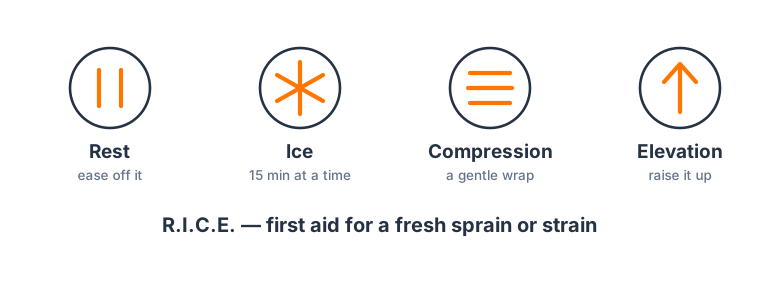
- Early swelling and pain control — protect, ice, compression, and elevation in the first days, with gentle pain-free movement rather than complete rest
- Soft-tissue and massage therapy to support the healing muscle, ease the protective guarding, and help restore normal tissue quality — one of the cornerstones of recovery, and a natural fit with our sports massage and recovery approach
- Gentle mobilization of the hip, pelvis, and nearby joints to restore normal motion and take strain off the healing muscle
- A progressive strengthening and return-to-play plan — the piece that rebuilds the muscle through its full range and lowers the re-injury risk; where foot and leg mechanics play a role, custom orthotics can help
The plan is honest about the arc: muscle heals on its own timeline, and care is matched to the grade — settling things down first, then progressively rebuilding. If the exam suggests a complete tear, Dr. Rubinstein says so and coordinates the right next step.
The Healing Timeline
The most common question with a pulled hamstring or groin is how long? — and the honest answer follows the grade, even though the exact pace varies.
- First few days. Pain and swelling peak. Protect the muscle, control the swelling, and keep gentle, pain-free movement going rather than fully resting the leg.
- First one to three weeks. For a mild (Grade I) strain, the sharp pain eases and everyday movement returns over this window. Moderate strains are improving but need more time.
- Several weeks to a couple of months. Moderate (Grade II) strains heal substantially over this stretch as strength and flexibility are rebuilt; severe (Grade III) tears take longer still.
- Return to sprinting. Full return is earned when the muscle can handle full-speed sprinting, kicking, and cutting without pain or hesitation — the last and most re-injury-prone phase, so it's not rushed.
Staying gently active in pain-free ways speeds this arc; forcing it backfires. The final phase — rebuilding strength through the full range so the muscle is ready for sprinting again — is what turns "healed" into "less likely to happen again."
A Gradual Return to Play & Preventing Re-Injury
For a strained muscle, how you come back is the whole game — because the re-injury rate is high and rushing it is the most common way a strain becomes a recurring one. Return is a staged progression, not a date on the calendar.
- Offload and settle first. Protect the muscle and calm the pain and swelling before asking anything of it.
- Rebuild strength and flexibility. As pain settles, restore the muscle's strength through its full range and its flexibility, so it's genuinely prepared — not just pain-free.
- Reintroduce running in stages. Progress from easy jogging to faster running before any full-speed sprinting, advancing only when each stage stays comfortable.
- Add sprinting and cutting last. The high-speed, high-stretch demands that tore the muscle are reintroduced at the end, once it can clearly handle them.
Rebuilding strength and returning in stages is the phase that turns "healed" into "less likely to happen again" — and it's why a full progression, not just rest, sits at the center of care here and in our wider approach to chiropractic for athletes.
When to Seek Prompt or Emergency Care
The large majority of hamstring and groin strains are not dangerous and heal with the conservative steps above. A small set of warning signs, though, points to something that needs prompt evaluation — these are not symptoms to play through.
Short of those, it's still worth being evaluated when a strain isn't improving on the expected timeline or keeps recurring. Getting the right care — and a proper return progression — early is what helps the muscle heal cleanly and stay healthy.
Frequently Asked Questions
A hamstring or groin strain raises a lot of practical questions — how long it takes to heal, when you can play again, why these injuries keep coming back, whether to stretch it, and whether a chiropractor can help. Those are answered in detail in the FAQ section on this page.
If you've pulled a hamstring or groin and want a clear read on the injury and a plan that gets you back without a re-tear, schedule a visit with Dr. Rubinstein at Thrive Chiropractic in Troy, MI. You'll get a thorough exam, a check for anything that needs imaging or urgent attention, and a conservative plan aimed at healing the muscle and preventing the next strain. You can also explore related injuries like ankle sprains and shin splints in the wider sports injury library.
Sports Injury & Performance Guide (PDF)A one-page take-home guide: R.I.C.E. and recovery basics, common sports injuries, and the red flags that need evaluation.PDFThis article is for general education and is not a substitute for professional medical advice, diagnosis, or treatment. Always consult a qualified healthcare provider about your specific situation.
Frequently Asked Questions
How long does a hamstring or groin strain take to heal?
It depends on the grade. A mild (Grade I) strain often settles over one to three weeks, a moderate (Grade II) strain typically takes several weeks to a couple of months, and a severe (Grade III) tear can take considerably longer and sometimes needs specialist input. Muscle heals on its own schedule and rushing it backfires. Dr. Rubinstein will give you a timeline that fits your specific strain and sport after the exam.
When can I play again after a hamstring strain?
When you've earned it through a progression, not when the calendar says so. Return is staged — pain settles, then strength and flexibility are rebuilt, then you reintroduce running and finally full-speed sprinting and cutting — advancing only when each stage stays comfortable. Coming back before the muscle can handle sprinting is the classic setup for a re-tear. The safe milestone is meeting your sport's demands without pain or hesitation.
Why do hamstring strains keep coming back?
Because a prior strain is the single biggest risk factor for the next one — often when the first injury wasn't fully rehabbed. If strength, flexibility, and a complete return-to-play progression are skipped, the muscle stays underprepared for sprinting and re-tears more easily. Breaking that cycle takes rebuilding strength through the full range and returning in stages, which is a core part of what care here focuses on.
Should I stretch a pulled hamstring or groin?
Not aggressively, and not early. Forcing a stretch on a freshly torn muscle can aggravate it. In the first days the priority is protecting it and calming the swelling; gentle, pain-free movement comes next, and progressive stretching and strengthening are layered in as it heals. Dr. Rubinstein will guide when and how to reintroduce flexibility work so you help the muscle rather than re-injure it.
Can a chiropractor help a muscle strain?
Yes. Conservative care for a hamstring or groin strain includes early swelling control, soft-tissue and massage work to support the healing muscle and ease the protective guarding around it, gentle mobilization of the nearby joints, and a progressive strengthening and return-to-play plan that lowers the re-injury risk. If the exam suggests a complete tear, that's referred for the appropriate imaging or care.
Ready to get evaluated at Thrive Chiropractic?
Dr. Rubinstein will assess what’s really going on and build a care plan tailored to you. Reach out and we’ll get you scheduled.
2133 Crooks Road | Troy MI 48084