
Sciatica Symptoms & Warning Signs: How to Recognize Nerve Pain
Sciatica has a recognizable pattern: radiating, usually one-sided pain that travels from the buttock down the leg — often past the knee — sometimes with tingling, numbness, or weakness. Here's how to tell it apart from ordinary back pain, which warning signs are true emergencies, and how conservative chiropractic care at Thrive Chiropractic in Troy, MI helps.
What Sciatica Feels Like
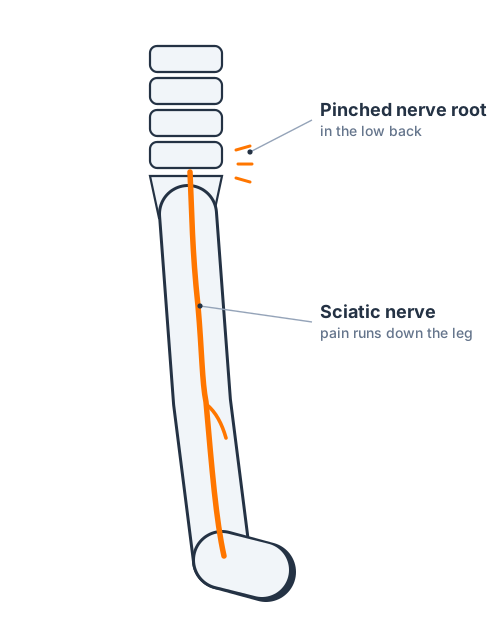
Sciatica has a fairly distinctive feel, which is part of why so many people suspect it before they ever see a chiropractor. Rather than a generalized ache across the lower back, sciatica is pain that travels — it shoots, burns, or radiates along a specific route, following the path of the irritated sciatic nerve from the lower back, through the buttock, and down the leg. People reach for words like "shooting," "electric," "burning," or "shock-like," and the sensation often moves rather than sitting in one spot.
The reason it feels this way is that sciatica is a nerve problem, not just a muscle or joint one. When something compresses or irritates the sciatic nerve, the nerve refers its distress along its whole length — so you can feel it well away from where the actual irritation sits. Understanding that pattern is genuinely useful, because recognizing the signature of nerve pain helps you know when leg symptoms are worth taking seriously rather than dismissing as an ordinary ache.
The Hallmark: Radiating, One-Sided Leg Pain
If sciatica has one defining feature, it's this: radiating pain that runs down one leg. A few things about that pattern are worth spelling out, because together they form the classic picture:
- It radiates. The pain travels from the buttock down the back or side of the thigh, and often continues past the knee into the calf or foot. That downward march along a defined path is the tell-tale sign of a nerve being involved.
- It's usually one-sided. Sciatica typically affects a single leg at a time, following the nerve on that side. Symptoms in both legs at once are less typical and — with certain other signs — can be a red flag.
- It follows a consistent route. Because each lumbar nerve serves a predictable map of the leg and foot, the pain tends to follow the same path each time rather than wandering randomly.
- The leg often outweighs the back. Many people are surprised that the leg pain is the worst part — the back may ache mildly or not much at all, while the leg steals the show.
This pattern is so characteristic that it's often the first clue to the cause. Because the nerves that form the sciatic nerve each serve a specific region, where the pain travels frequently hints at which level of the lower spine or which structure is involved — something the exam then confirms.
The Full Range of Symptoms
Sciatica isn't only pain. Because it's a nerve problem, it can produce a mix of sensations along the affected leg:
- Radiating leg pain — the hallmark — from the buttock down the thigh and often past the knee into the calf or foot
- Tingling or "pins and needles" along the same path, a very common companion to the pain
- Numbness in part of the leg or foot, where sensation feels dulled or absent
- Weakness in the leg or foot, such as a foot that feels heavy, drags, or catches when you walk
- Pain that worsens with sitting, bending forward, coughing, or sneezing, since these raise pressure on the lower back, and often eases with standing or walking — though with some causes the pattern is reversed
- A burning or electric quality rather than the dull ache of a muscle strain
Not everyone has all of these, and the mix varies with the cause. Some people have mostly pain; others have more tingling and numbness than pain. The common thread is that the symptoms track down the leg along a nerve path, which is what sets sciatica apart. Because these nerve-related sensations overlap with the broader family of neuropathy, a careful exam helps confirm that the sciatic nerve is the source.
How Sciatica Differs from Ordinary Back Pain
This is a distinction worth getting right, because it changes how urgently and how specifically the problem needs to be addressed. Ordinary lower back pain and sciatica can start the same way — even from the same event, like a lift — but they present differently:
The reason the difference matters is that leg symptoms signal a nerve is being irritated, which shifts the focus of care toward relieving that nerve pressure — and which makes it more important to catch any worsening early. Plenty of people have both at once: back pain from an irritated joint or muscle and leg pain from a crowded nerve. An exam sorts out how much of each is in play and where it's coming from, whether the source is a herniated disc, a tight piriformis muscle, or narrowing from spinal stenosis.
Red-Flag Symptoms You Shouldn't Ignore
Most sciatica, even when the leg pain is severe, is not dangerous and improves with conservative care. But a small set of symptoms suggests the nerves at the base of the spine are under serious pressure — and those are true emergencies that should never be waited out.
Short of those emergencies, some symptoms still warrant being seen sooner rather than later: leg pain, tingling, or numbness that lingers beyond a couple of weeks; weakness or a foot that drags; or symptoms that keep recurring or interfere with sleep, work, and daily life. New or worsening weakness in particular is always worth a prompt look. Getting ahead of these gives conservative care the best chance to succeed.
How Sciatica Symptoms Are Evaluated
Because the symptom pattern points toward the cause, a careful evaluation is what turns "I think it's sciatica" into a targeted plan. At Thrive Chiropractic, Dr. Rubinstein begins with a detailed history — where the pain starts, how far down the leg it travels, what it feels like, what eases or aggravates it, and whether there's any tingling, numbness, or weakness.
The physical exam typically includes:
- Back and hip motion testing, noting which movements reproduce or relieve your leg symptoms
- A neurological screen — checking reflexes, testing leg and foot strength, and mapping altered sensation to see whether a nerve is involved and which one
- Nerve-tension checks, gentle leg-raising maneuvers that help confirm the nerve is being irritated and point toward the source
Imaging isn't automatic. Many cases of sciatica are managed on the history and exam alone, with a trial of conservative care first. Imaging such as an MRI is reserved for specific reasons — symptoms that don't improve as expected, progressive weakness, or signs of serious nerve compression — because scans often show wear that isn't the actual source. If one of those situations applies, Dr. Rubinstein will arrange the imaging or referral rather than continue hands-on care alone.
What to Expect at Thrive Chiropractic
At Thrive Chiropractic in Troy, MI, care for sciatica is conservative and built around your exam findings — the goal is to relieve the pressure on the irritated nerve and calm the leg symptoms using the least invasive approach that works for you. Care often includes:
- Gentle chiropractic adjustments or mobilization to restore motion and reduce joint irritation in the lower back
- Spinal decompression when a disc is involved, to gently reduce pressure on the disc and the affected nerve — often a mainstay for disc-related sciatica
- Soft-tissue and massage therapy to release the tight muscles and protective spasm that build up around an irritated nerve
- Posture, activity, and movement coaching, plus targeted stretches, to reduce the load feeding the symptoms
- Custom orthotics where foot or gait imbalances are adding uneven load to the lower back
The plan is honest about what's realistic: most sciatica eases steadily over weeks as the nerve settles, and you'll get a specific sense of your timeline after the exam. If your symptoms are worsening or your exam shows progressive weakness, Dr. Rubinstein will say so plainly and coordinate the right medical referral.
Easing Sciatica Symptoms at Home
A few habits can help calm your symptoms alongside professional care.
- Stay gently active within comfort. Pain-free movement and a short daily walk usually help an irritated nerve more than bed rest.
- Break up long sitting. Sitting aggravates many causes of sciatica, so stand, walk, or change position regularly and support your lower back when seated — the same principles that help back pain while sitting.
- Avoid the positions that flare your leg symptoms, whether that's forward bending, prolonged sitting, or a particular stretch.
- Support your sleep. A neutral position, often with a pillow between or under the knees, takes pressure off the lower back overnight.
If your leg symptoms are getting stronger or spreading despite these steps, or a leg or foot is growing weaker, treat that as a signal to be re-evaluated promptly rather than waited out.
Frequently Asked Questions
Sciatica symptoms raise a lot of understandable questions — what it actually feels like, whether it's always in one leg, how to tell it from a pulled muscle, whether it can cause numbness and weakness, and whether a chiropractor can help. Those are answered in detail in the FAQ section on this page.
If you've got pain, tingling, or numbness traveling down your leg and want a clear picture of what's going on, schedule a visit with Dr. Rubinstein at Thrive Chiropractic in Troy, MI. You'll get a thorough exam, an honest read on whether a nerve is involved, and a conservative plan aimed at relieving the pressure. You can also read more about what causes sciatica and how long sciatica lasts in the wider Sciatica library.
Sciatica Relief Guide (PDF)A one-page take-home guide: what helps sciatic nerve pain now, what's behind it, and the red flags that need urgent care.PDFThis article is for general education and is not a substitute for professional medical advice, diagnosis, or treatment. Always consult a qualified healthcare provider about your specific situation.
Frequently Asked Questions
What does sciatica feel like?
Most people describe sciatica as a pain that shoots, burns, or radiates from the buttock down the back of one leg, often reaching past the knee into the calf or foot. It's frequently accompanied by tingling, a pins-and-needles sensation, numbness, or a feeling of weakness along the same path. The leg symptoms are often more bothersome than any back pain, and they usually follow a fairly consistent route down one side.
Is sciatica always in one leg?
Usually, yes — sciatica typically affects one leg at a time, following the path of the irritated nerve down that side. Pain, tingling, or numbness in both legs at once is less typical and, when it comes on with certain other symptoms, can be a red flag that needs prompt medical evaluation. So one-sided leg pain is the common pattern, and two-sided symptoms are worth mentioning right away.
How do I know if my leg pain is sciatica or just a pulled muscle?
A pulled muscle tends to stay local, hurts to press on, and eases as the muscle heals. Sciatica follows a nerve path down the leg, often past the knee, and frequently comes with tingling, numbness, or weakness rather than just soreness. Because the two can feel similar early on, an exam is the reliable way to tell whether a nerve is involved and where.
Can sciatica cause numbness and weakness, not just pain?
Yes. Because sciatica involves an irritated nerve, it can produce tingling, numbness, or a feeling of weakness along the leg — not only pain. Mild, intermittent tingling is common and usually settles with care. New or worsening weakness, a foot that drags, or numbness that's spreading is more significant and should be evaluated promptly, since it points to more pressure on the nerve.
Can a chiropractor help with sciatica symptoms?
Yes — sciatica is one of the most common reasons people see a chiropractor. Once the cause is identified, gentle adjustments, spinal decompression, and soft-tissue work aim to take pressure off the irritated nerve and calm the symptoms. Dr. Rubinstein matches the plan to your exam findings and arranges the right referral if any red-flag symptoms appear.
Ready to get evaluated at Thrive Chiropractic?
Dr. Rubinstein will assess what’s really going on and build a care plan tailored to you. Reach out and we’ll get you scheduled.
2133 Crooks Road | Troy MI 48084