
Hip Pain During Pregnancy: Causes, Relief & Gentle Care
Hip pain is a common part of pregnancy, driven by a shifting center of gravity, ligaments loosened by pregnancy hormones, and long hours of side-lying. Here's what's behind hip, sacroiliac-joint, and outer-hip discomfort, safe ways to find relief, how gentle, pregnancy-adapted care at Thrive Chiropractic in Troy, MI helps, and when to check in — always alongside your OB or midwife.
What Hip Pain During Pregnancy Feels Like
If your hips have started aching as your pregnancy goes on, you're in good company — soreness around the hips and pelvis is one of the most common discomforts of the second half of pregnancy. It can show up as a deep ache in the buttock, a tender spot on the outer hip that flares when you lie on it, or a stiff, grabbing feeling at the back of the pelvis when you roll over in bed or climb the stairs.
The reassuring part is that pregnancy hip pain is almost always mechanical — it comes from the way your joints, ligaments, and muscles are being loaded as your body changes, not from something being wrong inside the hip. It's driven by the same normal shifts that cause back pain during pregnancy, and like that back pain, it usually responds well to gentle, supportive care.
Where the Pain Comes From
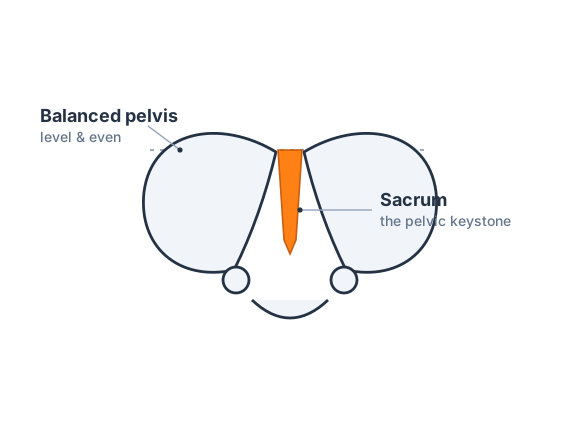
"Hip pain" in pregnancy usually isn't the ball-and-socket hip joint at all. More often it's one of a few structures around the hip and pelvis:
- The sacroiliac (SI) joints at the back of the pelvis — one on each side of the tailbone — where the loosened joints take on extra load and can become stiff and sore. This often feels like a deep ache low on one side of the back that can spread into the buttock and hip. Our guide to sacroiliac joint pain covers this in more depth.
- The outer hip and its bursa — the bony point on the side of the hip has a small fluid-filled cushion (a bursa) over it. Hours of side-lying press right on that spot, and it can become tender, sore, and easily irritated. This is the classic "it hurts to lie on that side" pain.
- The deep gluteal muscles, including the piriformis, which tighten as your posture shifts. When they're tight they ache in the buttock and can feel like hip pain.
- The pelvic girdle as a whole — the front and back joints of the pelvis working together. When they move unevenly, the strain is often felt across the hips, groin, and pelvis. Our page on pelvic girdle pain in pregnancy goes further into this pattern.
Knowing which of these is driving your discomfort helps target relief — and it's part of what a hands-on evaluation sorts out.
Why It Happens in Pregnancy
Whichever structure is sore, the underlying reasons are the same normal pregnancy changes stacking up:
- A shifting center of gravity. As your belly grows and your weight moves forward, the curve of your lower back deepens and the muscles around your spine and pelvis work harder — which loads the pelvic joints and the muscles around the hips differently than before.
- Loosened ligaments. Rising relaxin and other pregnancy hormones loosen the joints and ligaments across your body, including the pelvis, to prepare for birth. That can leave the SI joints and pelvic girdle less stable and more easily irritated.
- Long hours of side-lying. Once lying on your back becomes less comfortable, you spend most of the night on one side — which is the right thing to do, but it also means steady pressure on the outer hip for hours at a stretch.
- Growing weight, out in front. The added load your spine and pelvis carry increases each trimester and sits ahead of you, tugging on the lower back and pelvis and asking the hip muscles to work harder to keep you steady.
Because these build gradually, hip pain often becomes most noticeable in the second and third trimesters, when the postural shift and the weight are greatest and the pelvic joints are at their loosest.
Safe Relief You Can Try
Whatever the source, several gentle, pregnancy-friendly measures tend to ease things. The theme is comfortable positioning, gentle movement, and warmth — nothing forceful.
- Pillow-support your pelvis when you rest and sleep. Side-lying with a firm pillow between your knees — so your top knee doesn't drop across and twist the pelvis — keeps things level and takes strain off both the SI joints and the outer hip. A little extra padding under your side can soften the pressure on a tender outer hip.
- Switch sides through the night rather than settling on one hip for hours, so no single spot bears the pressure all night.
- Change position often during the day. Long stretches of standing on one leg, sitting cross-legged, or leaning into one hip tend to build a flare.
- Move gently and often. Slow, comfortable walking and gentle range-of-motion movement keep the hips and pelvis from stiffening up.
- Use warmth. A warm compress or shower on tight hip, buttock, and low-back muscles is soothing and easy to keep comfortable during pregnancy.
- Ease off heavy lifting, and when you do lift, bend at the hips and keep the load close rather than twisting toward one side.
Because every pregnancy is different, always run new stretches or self-care by your OB, midwife, or care provider first to make sure they fit your pregnancy.
How Gentle Chiropractic Care Helps
For pregnancy-related hip and pelvic pain, one gentle, pregnancy-focused approach often takes center stage: the Webster Technique. It's a chiropractic method designed specifically for pregnancy that supports pelvic balance and comfort as your body changes.
The idea is straightforward. Much of the hip and pelvic pain of pregnancy comes from the pelvis being loaded unevenly and moving stiffly as ligaments loosen and weight shifts. By helping the pelvis move and sit more evenly, the Webster Technique can ease the strain that's often behind SI-joint soreness, outer-hip tenderness, and the tight gluteal muscles that ache in the buttock. It's gentle and adapted to your stage of pregnancy, with comfortable positioning throughout — not a forceful adjustment.
What to Expect at Thrive Chiropractic
At Thrive Chiropractic in Troy, MI, Dr. Rubinstein provides gentle care adapted for pregnancy, always tailored to your stage and comfort. The first step is a thoughtful evaluation — talking through how far along you are, exactly where the pain sits, whether it's worse lying on one side or when you roll over and stand, whether it ever travels down a leg, and what eases or aggravates it. That's what sorts SI-joint pain from outer-hip bursa pain from tight gluteal muscles, and it shapes the plan.
The hands-on exam is gentle and positioned for your comfort, checking how your pelvis and hips move and where the surrounding muscles are tight, while taking your changing body fully into account. Care often combines:
- Webster Technique to support pelvic balance and comfort — often the centerpiece for pregnancy-related hip and pelvic strain
- Gentle adjustments modified for pregnancy to restore motion to stiff pelvic and lower-back joints, using positioning suited to your changing body
- Soft-tissue and massage therapy to ease the tight muscles of the hips, buttock, and low back — including the deep gluteal muscles when they're part of the picture
- Positioning, movement, and sleep guidance you can use between visits, including how to set up your pillows so a sore outer hip gets a break
Throughout, this works hand in hand with your prenatal care: keeping your OB or midwife informed means everyone stays on the same page about what's normal for you and what's worth a closer look. If your exam turns up anything that needs medical attention, Dr. Rubinstein will say so plainly and coordinate the right referral.
When to Seek Care
Mild, come-and-go hip and pelvic soreness is a normal part of many pregnancies. It's worth getting evaluated when it keeps coming back or is getting worse, doesn't ease with rest, warmth, or gentle position changes, is affecting your sleep or your ability to turn in bed and get comfortable, or starts sending a nerve-type pain down one leg with tingling or numbness — which points more toward sciatica during pregnancy.
Some warning signs, though, need urgent attention rather than a wait-and-see approach.
As always in pregnancy, checking in with your OB or midwife alongside chiropractic care keeps everyone working from the same page. When you're ready, you can schedule a visit and Dr. Rubinstein will tailor a gentle plan to where you are in your pregnancy. You can also read more across our Pregnancy Care library, including sleeping comfortably during pregnancy.
Pregnancy Comfort Guide (PDF)A one-page take-home guide: gentle ways to ease pregnancy aches, why they happen, and when to call your OB.PDFThis article is for general education and is not a substitute for professional medical advice, diagnosis, or treatment. Always consult a qualified healthcare provider about your specific situation.
Frequently Asked Questions
Is hip pain normal during pregnancy?
Yes, aching or soreness around the hips and pelvis is a very common part of pregnancy, especially in the second half. As your center of gravity shifts, pregnancy hormones loosen the pelvic joints, and you spend more of the night lying on one side, the sacroiliac joints, outer hips, and deep gluteal muscles take on extra strain. It's usually a mechanical, manageable ache rather than a sign something is wrong.
Why does my hip hurt when I sleep on my side while pregnant?
Side-lying is the recommended sleep position later in pregnancy, but lying on one hip for hours puts steady pressure on the outer hip and the small cushioning bursa there, which can leave it sore. A pillow between your knees keeps the pelvis level and takes the twist off the hip, a little padding under your side softens the pressure, and switching sides through the night spreads the load. If one side stays sore, gentle care can help settle it.
Is chiropractic care safe for hip pain during pregnancy?
Chiropractic care is widely used throughout pregnancy, with everything gently adapted for your comfort and your changing body. At Thrive, Dr. Rubinstein tailors each visit to how far along you are and positions you comfortably. As with any care during pregnancy, it's a good idea to keep your OB or midwife in the loop about new hip or pelvic pain and any care you're considering.
How can I relieve hip pain while pregnant?
Comfortable positioning, gentle movement, and warmth are the mainstays. Side-lying with a pillow between your knees keeps the pelvis level, frequent position changes stop the pain building, slow walking and gentle range-of-motion help, and warmth soothes tight hip and buttock muscles. Gentle, pregnancy-adapted chiropractic care can add relief by easing joint and muscle strain around the pelvis. Run any new stretch or self-care by your OB or midwife first.
What's the difference between hip pain and sciatica in pregnancy?
Pregnancy hip pain usually stays around the hip, the back of the pelvis, and the buttock, and it flares with movements like rolling over, standing on one leg, or getting up from a chair. True sciatica sends a nerve-type pain traveling down one leg, often past the knee, sometimes with tingling or numbness. The two can overlap, so if pain starts marching down your leg it's worth having it checked. Our guide to sciatica during pregnancy walks through the difference.
When does hip pain usually start in pregnancy?
It varies, but hip and pelvic pain often become most noticeable in the second and third trimesters, when your center of gravity has shifted the most, the pelvic joints are at their loosest, and you're spending more of the night on your side. Some moms feel it earlier, especially with a history of hip or low-back trouble. Because it tends to build gradually, it's easy to start addressing early with gentle care.
Ready to get evaluated at Thrive Chiropractic?
Dr. Rubinstein will assess what’s really going on and build a care plan tailored to you. Reach out and we’ll get you scheduled.
2133 Crooks Road | Troy MI 48084