
Pelvic Girdle Pain in Pregnancy (SPD): Causes & Relief
Pelvic girdle pain — including symphysis pubis dysfunction (SPD) — is pain at the pubic bone and the sacroiliac joints as relaxin loosens the pelvis in pregnancy. Here's what causes it, the telltale symptoms with walking, stairs, and rolling over, and how gentle chiropractic care, a support belt, and activity modification help — with care at Thrive Chiropractic in Troy, MI working alongside your OB or midwife.
What Is Pelvic Girdle Pain (SPD)?
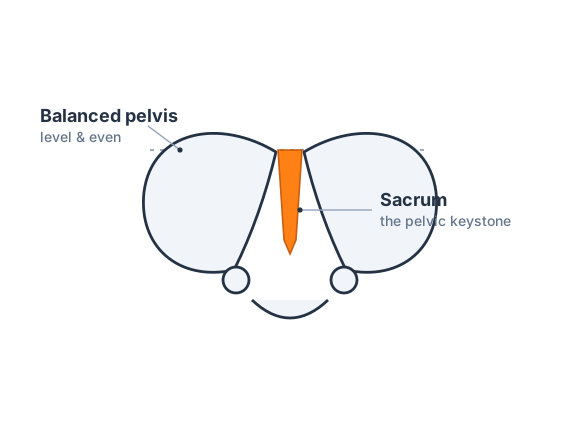
Pelvic girdle pain is discomfort coming from the ring of joints that make up your pelvis during pregnancy. Your pelvis isn't a single solid bone — it's a ring, held together by three key joints: the pubic symphysis at the front, where the two pubic bones meet, and the two sacroiliac joints at the back, where the base of your spine meets the pelvis. Pelvic girdle pain is the umbrella term for pain coming from any of these joints as pregnancy changes how they move.
When the pain centers on that front joint, the pubic symphysis, it's often called symphysis pubis dysfunction, or SPD — the pinching, aching pain right over the pubic bone that so many moms describe. Whether it shows up at the front, the back, or both, the underlying story is the same: pregnancy hormones loosen the normally-stable pelvic joints to prepare for birth, and as they move more than they're used to, they can become irritated and painful. The reassuring part, worth saying clearly up front, is that while pelvic girdle pain can be genuinely uncomfortable and can make everyday movement harder, it isn't harmful to your baby — and it responds well to gentle care. You can read more about the wider picture on our pregnancy care page.
Why It Happens in Pregnancy
Pelvic girdle pain traces back to one central change: the pelvis, built for stability, is asked to loosen during pregnancy. Several normal changes stack up to produce the pain:
- Loosening ligaments. Rising relaxin and other pregnancy hormones do exactly what their name suggests — relax the ligaments holding the pelvic joints together, so the pelvis can open for birth. The trade-off is that the pubic symphysis and sacroiliac joints become less stable and more easily irritated.
- A shifting center of gravity. As your belly grows and your weight moves forward, the pelvis carries more load, and much of it unevenly — which strains the already-loosened joints.
- Uneven, one-sided loading. Everyday movements that put your weight on one leg — stairs, stepping into a car, standing on one leg to dress — ask the loosened pelvic ring to handle load unevenly, which is exactly when the pain tends to flare.
- Growing weight over the pelvis. The added weight of later pregnancy sits right over the pelvic ring, increasing the demand on joints that are already moving more than usual.
Because these build gradually, pelvic girdle pain often becomes most noticeable in the second and third trimesters. Much of what's happening at the back of the pelvis overlaps with ordinary sacroiliac joint pain, which pregnancy makes especially common — the same loosening and weight shift are behind both.
Common Symptoms
Pelvic girdle pain and SPD have a fairly recognizable signature:
- Pain over the pubic bone at the front of the pelvis — sometimes a deep ache, sometimes a sharp pinch — which is the hallmark of SPD
- Pain at the back of the pelvis over the sacroiliac joints, on one or both sides, that can spread into the buttock
- Pain that radiates into the groin or inner thighs, and sometimes down toward the hips
- Flares with specific movements — walking, climbing stairs, standing on one leg, getting in and out of a car, and especially rolling over in bed
- A grinding, clicking, or catching feeling at the pubic bone with movement
- A sense that the pelvis feels unstable, "loose," or like it might give way, and pain that makes walking feel waddling or effortful
For most moms this is uncomfortable but manageable, and it responds well to gentle care and support. What it usually doesn't do is send a nerve-type pain shooting down one leg past the knee with tingling and numbness — that pattern points more toward sciatica during pregnancy, which is worth mentioning so it can be told apart.
How Pelvic Girdle Pain Is Evaluated
A thoughtful evaluation matters even more in pregnancy, because the goal is both to understand your pelvis and to make sure your comfort and your stage of pregnancy guide everything. At Thrive Chiropractic, Dr. Rubinstein starts by talking through how far along you are, exactly where the pain sits — front, back, or both — which movements set it off, how you're sleeping, and whether it radiates into the groin, buttock, or leg.
The hands-on exam is gentle and positioned for your comfort. He checks how your pelvis and lower back move, which joints feel irritated or move unevenly, and where the surrounding muscles are tight — while taking your changing body fully into account. He's also listening for anything that calls for closer attention, like a nerve-type pain traveling down the leg, which he'll assess directly. Throughout, this works hand in hand with your prenatal care: keeping your OB or midwife informed means everyone stays on the same page about what's normal for you and what's worth a closer look.
What to Expect at Thrive Chiropractic
At Thrive Chiropractic in Troy, MI, care for pelvic girdle pain is gentle, conservative, and built around your exam findings — the goal is to restore balanced, comfortable motion to the pelvic joints and calm the tissues around them. Care often combines:
- The Webster Technique, a gentle, pregnancy-focused approach centered on pelvic balance and comfort — often a natural fit for pelvic girdle pain, since it's all about helping the pelvis move and sit more evenly
- Gentle chiropractic adjustments or mobilization modified for pregnancy to ease irritated, unevenly-moving pelvic joints, using positioning suited to your changing body
- Soft-tissue and massage therapy to release the tight hip, buttock, and pelvic-floor-adjacent muscles that build up around irritated joints
- Support-belt and activity guidance, so the relief from care is reinforced between visits
- Positioning and movement coaching to keep the pelvis balanced and reduce the one-sided loading that sets the pain off
The plan is honest about what's realistic: gentle care manages and eases pelvic girdle pain and supports pelvic balance through pregnancy — it works best as part of a package with a support belt and activity changes, and it's designed to complement, never replace, the care your OB or midwife provides.
Support Belts and Activity Modification
Two of the most helpful things for pelvic girdle pain don't happen on the table at all — a support belt and smart activity changes. They tend to work hand in hand with gentle care.
A pelvic support belt is a simple band worn low around the hips that gently compresses and supports the pelvic ring. By reducing how much the loosened joints move, it can take the edge off pain with walking and standing, and many moms find it makes getting through the day noticeably easier. It works best combined with gentle care and activity changes rather than relied on alone, and it's worth checking with your OB, midwife, or care provider on fit and how much to use it.
Activity modification is about protecting the loosened pelvis from the uneven, one-sided loading that sets the pain off.
Gentle Self-Care for Pelvic Girdle Pain
Alongside a support belt and activity changes, a few pregnancy-friendly habits genuinely help:
- Support your pelvis when you sleep. Side-lying with a firm pillow between your knees — and a body pillow along your front — keeps the pelvis level and reduces the strain of rolling over. It's the position most often recommended in later pregnancy.
- Keep movements symmetrical and gentle. Favor activities that load both legs evenly, and avoid standing on one leg, wide steps, or twisting through the hips.
- Break up walking and standing before the pain builds, resting the pelvis rather than pushing through a long stretch on your feet.
- Ease off aggravating activity — the movements that reliably flare your pain are worth scaling back while the joints settle.
- Use warmth on tight hip and low-back muscles for soothing relief — a warm compress or shower, easy to keep comfortable during pregnancy.
Because every pregnancy is different, always run new exercises or self-care by your OB, midwife, or care provider to make sure they fit your pregnancy.
When to See a Chiropractor
Mild, come-and-go pelvic discomfort is common in pregnancy. It's worth getting evaluated when pelvic girdle pain keeps coming back or is getting worse, doesn't ease with rest and support, flares with everyday movements like stairs, walking, or rolling over, or interferes with your sleep, walking, or daily comfort. Getting ahead of it gives gentle care and support the best chance to keep you comfortable through the rest of pregnancy.
Some warning signs, though, need urgent attention rather than a wait-and-see approach — and in pregnancy these go straight to your OB or midwife.
As always in pregnancy, checking in with your OB or midwife alongside chiropractic care keeps everyone working from the same page. When you're ready, you can schedule a visit and Dr. Rubinstein will tailor a gentle plan to where you are in your pregnancy. You can also read more in round ligament pain and chiropractic through each trimester.
Pregnancy Comfort Guide (PDF)A one-page take-home guide: gentle ways to ease pregnancy aches, why they happen, and when to call your OB.PDFThis article is for general education and is not a substitute for professional medical advice, diagnosis, or treatment. Always consult a qualified healthcare provider about your specific situation.
Frequently Asked Questions
What is pelvic girdle pain or SPD in pregnancy?
Pelvic girdle pain is discomfort in the ring of joints that make up your pelvis during pregnancy — the joint at the front where the pubic bones meet (the pubic symphysis) and the sacroiliac joints at the back. When the front joint is the main source, it's often called symphysis pubis dysfunction, or SPD. It happens as pregnancy hormones loosen the pelvis to prepare for birth, and while it can be quite uncomfortable, it isn't harmful to your baby.
What does SPD pain feel like?
The hallmark is pain at the front of the pelvis over the pubic bone, and often at the back over the sacroiliac joints, that flares with specific movements — walking, climbing stairs, standing on one leg, getting in and out of a car, and especially rolling over in bed. Many moms describe a pinching, grinding, or clicking feeling at the pubic bone, and pain that can radiate into the groin or inner thighs.
Can a chiropractor help with pelvic girdle pain in pregnancy?
Yes — the pelvis is one of the areas gentle, pregnancy-adapted chiropractic care is well suited to. Care aims to restore balanced, comfortable motion to the pelvic joints and calm the muscles around them, which can ease the pain of SPD and pelvic girdle pain. Dr. Rubinstein tailors the approach to your stage of pregnancy, often alongside a support belt and activity changes.
Does a pregnancy support belt help SPD?
For many moms, yes. A pelvic support belt gently compresses and supports the pelvic ring, which can reduce the movement at the loosened joints and ease pain with walking and standing. It works best combined with activity modification and gentle care rather than on its own. It's worth checking with your OB, midwife, or care provider on fit and use.
Is pelvic girdle pain harmful to my baby?
No — pelvic girdle pain and SPD are uncomfortable for you, but they aren't harmful to your baby. They come from the normal loosening of the pelvis in pregnancy. That said, keep your OB or midwife in the loop about the pain, and treat pregnancy red flags — like vaginal bleeding, fluid leaking, severe pain, or regular contractions before your due date — as reasons to contact them right away.
How is SPD different from the sciatica people talk about?
SPD and pelvic girdle pain stay around the pelvis — the pubic bone at the front, the sacroiliac joints at the back, and sometimes the groin and inner thighs — and flare with one-sided loading like stairs and rolling over. True sciatica sends a nerve-type pain down one leg, often past the knee, sometimes with tingling or numbness. They can overlap, so it's worth having it checked so care fits what's actually going on.
Ready to get evaluated at Thrive Chiropractic?
Dr. Rubinstein will assess what’s really going on and build a care plan tailored to you. Reach out and we’ll get you scheduled.
2133 Crooks Road | Troy MI 48084