
Pediatric Chiropractic Care: What Parents Should Know
Pediatric chiropractic care is gentle, comfort-focused support for a child's growing musculoskeletal system — posture, muscle tension, and minor strains. Here's what it actually involves, the gentle techniques used, why parents bring children in, and how care at Thrive Chiropractic in Troy, MI always works alongside your pediatrician.
What Is Pediatric Chiropractic Care?
Pediatric chiropractic care is gentle, hands-on care focused on a child's growing musculoskeletal system — the spine, joints, and muscles that carry them through a very active childhood. If the word "chiropractic" brings to mind the firm, cracking adjustments adults sometimes get, set that picture aside. Care for a child is a different thing entirely: lighter, slower, and scaled down to a small, still-developing body.
It helps to be clear about what this care is for. Pediatric chiropractic is about comfort and healthy movement — easing muscle tension, supporting good posture, and helping with the minor aches and strains that come from running, playing, sitting at desks, and growing quickly. It is not a treatment for illnesses, infections, or any medical condition. That distinction matters, and we'll come back to it, because the honest, useful role of this care is a supportive one that sits comfortably alongside your child's regular medical care.
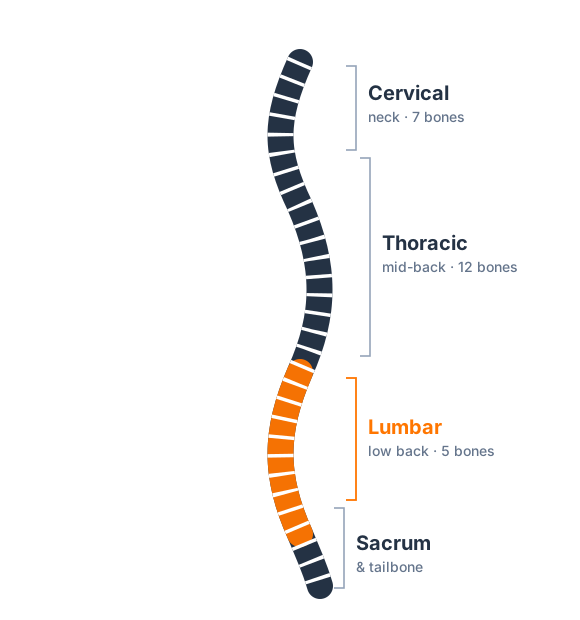
Why Parents Bring Their Children In
Kids' bodies are busy. They fall, they slouch over tablets, they haul heavy backpacks, and they grow in fast, uneven spurts. Most families who come to Thrive with a child are looking for help with everyday, musculoskeletal comfort concerns like:
- Posture — rounded shoulders and a head-forward slump from hours on phones, tablets, and laptops, the same pattern behind tech neck in adults
- Backpack strain and the achy shoulders or upper back that can follow a heavy, poorly-fitted bag
- Sports and play strains — the minor tweaks and stiffness that come with an active kid's body
- Growing bodies that feel tight or achy as they change quickly
These are comfort and movement concerns, not medical diagnoses — and they're the honest heart of what pediatric chiropractic helps with. If your child's discomfort seems tied to how they sit, carry a bag, or play, that's squarely in the lane this care is built for.
The Gentle Techniques Used With Kids
The single most important thing to understand is how gentle this care is. A child's spine and joints are small and still developing, so the techniques are adapted to match — nothing about it resembles the forceful adult adjustment people sometimes imagine.
In practice, care for a child often uses:
- Light fingertip pressure — often no more than the pressure you'd comfortably use to check a ripe tomato, applied precisely where a joint feels restricted
- Slow, gentle contacts rather than quick, forceful movements
- Soft-tissue work to ease tight muscles, similar in spirit to our massage therapy but scaled to a child
- Simple positioning — often with your child on your lap, or resting comfortably, so they stay relaxed the whole time
The amount of pressure is always scaled to the child's size and age. For the sensitive area at the very top of the neck, that gentle, precise philosophy is the same one behind our upper cervical care. If you'd like a step-by-step picture of what an adjustment looks and feels like for a child, our article on how chiropractic adjustments work for kids walks through it.
How a Child's Visit Is Different From an Adult's
Beyond the gentleness, a child's visit is shaped around a child. Dr. Rubinstein spends time getting your little one comfortable, explains things in a way that isn't scary, and keeps you right there in the room the whole time. There's no rush and no pressure — a wiggly, curious child is completely normal, and the visit flexes around them.
The goals are different too. With an adult, the aim is often to unwind years of accumulated strain. With a child, it's lighter-touch: supporting comfortable movement and good posture habits while the body is still growing and adaptable. Because kids change so quickly, a little gentle support and some simple posture coaching often go a long way. You can read more about the safety side of all this in is chiropractic safe for children?
What to Expect at Thrive Chiropractic
At Thrive Chiropractic in Troy, MI, a child's visit starts with a conversation. Dr. Rubinstein wants to hear what you've noticed — the posture that caught your eye, the sport that left them stiff, the backpack that seems too heavy — and how your child is doing overall. From there, a typical visit includes:
- A gentle, kid-friendly check of how your child moves, stands, and carries themselves, looking for tight muscles and posture patterns
- Extremely gentle, age-appropriate care where it's needed, using the light techniques described above
- Simple guidance you can use at home — backpack fit, screen height, and easy posture habits
- Plenty of reassurance, for both of you
Care is never one-size-fits-all. What a busy 6-year-old needs looks nothing like what a screen-heavy 15-year-old needs, and the plan reflects that. For teens dealing with device-driven posture strain, this often overlaps with the same approach we take to neck pain more broadly. You can also explore the full range of what we cover for kids on our Pediatric Care page.
Working Alongside Your Pediatrician
This is worth saying plainly: your pediatrician comes first. Chiropractic care is a supportive, comfort-focused complement to your child's medical care — it is never a substitute for checkups, medical treatment, or vaccines. For anything that looks like an illness, an infection, a fever, or a health concern beyond musculoskeletal comfort, your pediatrician is the right first call.
Kept in that lane — gentle support for a growing, active body, alongside real medical care — pediatric chiropractic is a modest but genuinely helpful piece of keeping kids comfortable.
When to See a Chiropractor
If your child has ongoing posture concerns, or aches and stiffness that seem tied to sports, play, backpacks, or screens, a gentle evaluation is a reasonable next step. It's especially worth a look when the discomfort keeps coming back or is starting to affect how your child moves, plays, or sleeps.
But some things are not chiropractic concerns at all — they're reasons to reach your pediatrician or emergency care right away.
When your child's needs fit the gentle, musculoskeletal comfort this care is meant for, you can schedule a visit and Dr. Rubinstein will take it from there — gently, and always alongside your pediatrician.
Kids & Chiropractic: A Parent's Guide (PDF)A one-page parent's guide: how gentle pediatric care works alongside your pediatrician, and the signs to get your child checked.PDFThis article is for general education and is not a substitute for professional medical advice, diagnosis, or treatment. Always consult a qualified healthcare provider about your specific situation.
Frequently Asked Questions
What does a pediatric chiropractor actually do?
At Thrive, Dr. Rubinstein focuses on a child's musculoskeletal comfort — how their spine and joints are moving, where muscles are tight, and how posture is developing. Care is gentle and geared toward easing minor strains and stiffness in an active, growing body, always alongside your pediatrician's care.
What ages can be seen?
Children of many ages can be seen, from little ones to teens, with the approach always scaled to the child's size and stage. The gentleness and the goals of a visit look very different for a toddler than for a teenager, and Dr. Rubinstein tailors everything to your child. For infants specifically, there are extra considerations covered in our infant chiropractic care article.
Is this a replacement for the pediatrician?
No, and it's never meant to be. Chiropractic care is supportive, comfort-focused care for the musculoskeletal system that works alongside your pediatrician. Your pediatrician remains your primary guide for your child's health, checkups, illnesses, and vaccines — chiropractic simply complements that care.
Will my child have to 'crack' their back?
No. A child's adjustment is gentle and uses light fingertip pressure scaled to their size — it usually looks nothing like the forceful, cracking image adults sometimes picture. Our article on how chiropractic adjustments work for kids walks through exactly what it looks and feels like.
Why do parents bring children in?
Most often it's for musculoskeletal comfort — posture concerns as kids spend more time on devices and in backpacks, minor strains from sports and play, and general stiffness as growing bodies change quickly. The goal is comfort and healthy movement, not treating any illness.
Ready to get evaluated at Thrive Chiropractic?
Dr. Rubinstein will assess what’s really going on and build a care plan tailored to you. Reach out and we’ll get you scheduled.
2133 Crooks Road | Troy MI 48084