
Kids, Screens & Tech Neck: A Parent's Guide
Hours on phones and tablets can strain a growing child's neck the same way it does an adult's — by pulling the head forward and overworking the muscles that hold it up. Here's how to spot the signs in your child, simple screen-habit fixes that make a real difference, and how gentle, supportive chiropractic care at Thrive Chiropractic in Troy, MI can help with the posture, stiffness, and comfort side of things.
What Is Tech Neck in Kids?
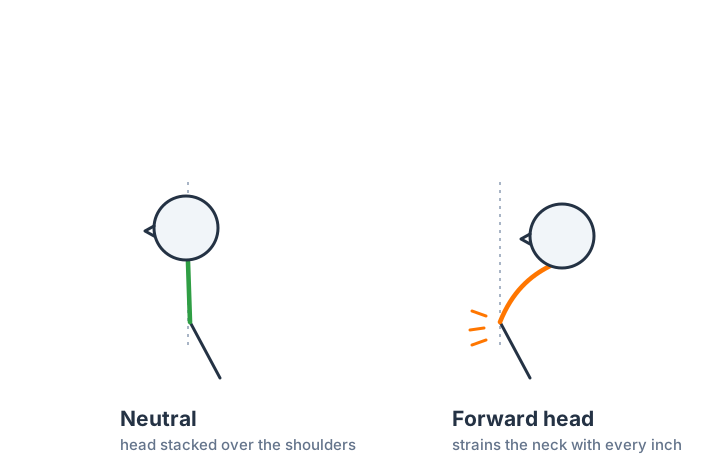
Tech neck is the neck and upper-back strain that builds up from hours spent looking down at a phone, tablet, or laptop — and it isn't just an adult problem. The exact same thing happens in kids: as your child tilts their head down toward a screen, the head drifts forward of the shoulders into what's called forward head posture, and the muscles along the neck and upper back have to work harder and harder to hold it up.
It's the same idea we cover for grown-ups in our main guide to tech neck — just playing out in a smaller, still-growing body. Here's why the position matters so much. When the head sits balanced over the shoulders, the neck holds it with very little effort. But the neck works like a lever: the farther the head leans forward, the harder those muscles have to pull to keep it from tipping. A head that's only tilted a couple of inches forward can feel, to the muscles holding it, much heavier than it actually is.
Repeat that posture across a screen-heavy day, day after day, and an ordinary habit turns into the stiffness, shoulder tension, and headaches that bring a lot of families in. You can see how this fits into the bigger picture of children's spinal health on our pediatric care page.
Why a Growing Neck Is Different
The mechanics of tech neck are the same in kids and adults, but a child's body adds a few wrinkles worth understanding:
- Growing bodies adapt to the positions they hold most. Kids' muscles and joints are still developing, and the body tends to settle into the postures it spends the most time in. That's a good reason to help posture habits start off well while they're young.
- Screen time often adds up fast. Between schoolwork, games, videos, and messaging, many children and teens spend a large share of the day on screens — so the head-down position gets a lot of repetition.
- Kids don't always mention it. A child may not connect an achy neck or a headache to how they've been sitting, so the first clue is often something you notice rather than something they report.
None of this means screens are harming your child's spine in some dramatic way. It simply means posture habits matter while kids grow, and small adjustments now are easier than undoing an entrenched slouch later — the same principle behind addressing posture and backpack habits across their whole day.
Signs to Watch for in Your Child
Because tech neck builds gradually and kids don't always speak up, it helps to know what to look for. Common signs include:
- A head-forward, rounded posture — the chin juts ahead of the shoulders and the upper back curves, especially noticeable from the side or in photos
- Neck or shoulder stiffness, or your child rubbing the back of their neck or rolling their shoulders
- Tension headaches that start at the base of the skull and build over a screen-heavy day
- Complaints of an achy neck or upper back after long stretches on a phone, tablet, or gaming setup
- Slouching that seems to be getting more habitual rather than occasional
These signs are worth acting on, but they're rarely cause for alarm — for most kids, they point to screen posture that's easy to improve, not to anything serious. The exception is the small set of warning signs further down, which do call for prompt medical attention.
Screen-Habit Fixes That Actually Help
The best news about tech neck is that the fixes are simple, and they work without turning screen time into a fight. A few habits do most of the heavy lifting:
- Bring the screen up, not the head down. Encourage your child to raise the phone or tablet toward eye level rather than dropping their chin to it. A stand or propped-up case for tablets and laptops makes this the easy default.
- Build in a movement break. A simple rule of thumb — look up, roll the shoulders back, and move around for a minute after every stretch of screen time — resets the muscles before strain sets in.
- Set up homework and gaming spots well. A screen at roughly eye level, feet flat on the floor, and back supported takes the load off the neck during longer sessions.
- Make posture a game, not a lecture. Younger kids often respond better to a quick "stack your head over your shoulders" cue or a posture check-in than to a reminder to "sit up straight."
Pairing better screen position with regular movement covers most of what a growing neck needs. When stiffness or posture changes are already settling in, that's where a little supportive care can help.
How Gentle Chiropractic Care Helps
When screen habits alone aren't enough — or when you'd simply like a professional set of eyes on your child's posture — gentle chiropractic care can help with the musculoskeletal side of tech neck. To be clear about what that means: care here is aimed at posture, muscle tension, comfort, and motion, not at treating any illness. It works alongside your pediatrician, and for children everything is gentle and scaled to their size.
At Thrive Chiropractic in Troy, MI, care for a child with tech neck is built around what the exam finds and typically includes:
- A posture and motion check — looking at how far the head sits forward, how the upper back is carrying, and how freely and comfortably the neck moves
- Gentle, low-force techniques to ease stiff, restricted areas and help the neck move more comfortably — nothing forceful, and always scaled to a child
- Soft-tissue and light massage therapy to release the tight upper-back and shoulder muscles that a head-forward posture overworks
- Simple posture coaching the whole family can use — the screen-habit fixes above, tailored to your child's routine
For strain that sits higher up near the base of the skull, that work sometimes overlaps with our gentle upper cervical care, which uses precise, low-force techniques for that sensitive area. Throughout, the aim is honest and modest: a more comfortable neck, better posture habits, and a child who moves well — supporting your pediatrician's care, not replacing it. If you're weighing whether care is right for your child, our guide to whether chiropractic is safe for children walks through it, and teens have their own considerations covered in chiropractic for teens.
When to See a Chiropractor
An occasional stiff neck after a long day on a screen is normal. It's worth getting your child evaluated when you notice neck or shoulder stiffness that keeps coming back, tension headaches that travel with screen-heavy days, or a head-forward posture that seems to be becoming their default. Catching it while it's still just a habit makes it far easier to turn around.
A visit is also a good idea if you'd simply like guidance — a professional look at your child's posture and a few tailored habits can head off bigger issues down the road. When you're ready, you can schedule a visit and Dr. Rubinstein will keep everything gentle and age-appropriate.
When to Seek Care Right Away
Tech neck itself is a comfort-and-posture issue, not an emergency. But some symptoms in a child point to something that needs prompt medical attention, and those go to your pediatrician or emergency care — not a wait-and-see approach.
Short of those warning signs, neck stiffness and posture changes from screen time are very manageable. Better screen habits, regular movement, and gentle, supportive care — alongside your pediatrician — go a long way. You can also explore the wider Pediatric Care library and our main Neck Pain guides for related reading.
Kids & Chiropractic: A Parent's Guide (PDF)A one-page parent's guide: how gentle pediatric care works alongside your pediatrician, and the signs to get your child checked.PDFThis article is for general education and is not a substitute for professional medical advice, diagnosis, or treatment. Always consult a qualified healthcare provider about your specific situation.
Frequently Asked Questions
Can children really get tech neck?
Yes. Tech neck isn't about age — it's about position. Any time a child spends long stretches with the head tilted down toward a phone, tablet, or laptop, the same forward-head posture and muscle strain that affect adults can affect them too. Because kids often log a lot of daily screen time, it's become a common reason parents notice neck stiffness, shoulder tension, or a slouched posture. The good news is that young bodies tend to respond well once screen habits and posture are addressed.
Is tech neck in kids dangerous or permanent?
For most kids, it's a posture-and-comfort issue, not a dangerous one, and it's very responsive to simple changes. Caught early, the stiffness and head-forward posture usually improve as screen habits get better and the supporting muscles rebalance. It's worth addressing rather than ignoring, though, because posture habits formed young tend to stick. If your child has neck pain that's severe, persistent, follows an injury, or comes with numbness or weakness, have your pediatrician take a look rather than assuming it's simple screen strain.
Do I need to take away my child's devices?
No — and that's usually not realistic anyway. The goal isn't less screen time so much as better screen position. Raising the phone or tablet closer to eye level, propping devices on a stand, and building in short movement breaks removes most of the downward head tilt that drives tech neck, without a battle over how much your child uses their devices.
Is chiropractic care safe for a child's neck?
Chiropractic care for children uses gentle, low-force techniques scaled to a child's size and comfort — nothing like the firmer adjustments some adults picture. At Thrive, Dr. Rubinstein tailors everything to the individual child, focusing on easing muscle tension, supporting posture, and keeping the neck moving comfortably. You can read more in our guide to whether chiropractic is safe for children, and it's always meant to work alongside your pediatrician's care.
How can I tell if my child's headaches are from screen posture?
Tension-type headaches linked to screen posture often start at the back of the head or base of the skull, build over the course of a screen-heavy day, and travel with neck and shoulder tightness. That said, headaches in children have many causes, so recurring or severe headaches are always worth running by your pediatrician first. If posture and neck tension are part of the picture, easing that strain often helps the headaches settle too.
Ready to get evaluated at Thrive Chiropractic?
Dr. Rubinstein will assess what’s really going on and build a care plan tailored to you. Reach out and we’ll get you scheduled.
2133 Crooks Road | Troy MI 48084