
Upper Neck Pain: Causes, Symptoms & How Chiropractic Helps
Upper neck pain sits high near the base of your skull and often brings headaches, stiffness, and dizziness. Here's what causes it, how to recognize it, how it's evaluated, and how gentle chiropractic care at Thrive Chiropractic in Troy, MI helps.
What Is Upper Neck Pain?
Upper neck pain is discomfort that sits high on your neck, right where it meets the base of your skull. This region is built around the top two vertebrae of your spine — small, highly mobile joints that let you nod and turn your head. Because they sit so close to the nerves and muscles at the base of the skull, problems here often feel like more than "just" neck pain.
You might notice it as a deep ache under the back of your head, a band of tension that wraps toward your temples, or a stiff, catching feeling when you try to look up or over your shoulder. This is a different experience from lower neck pain, which tends to sit closer to the shoulders and radiate into the arms. It's the same region our upper cervical care is specifically built around.
What Causes Upper Neck Pain?
Upper neck pain usually builds up over time from everyday habits rather than a single injury. The most common contributors are:
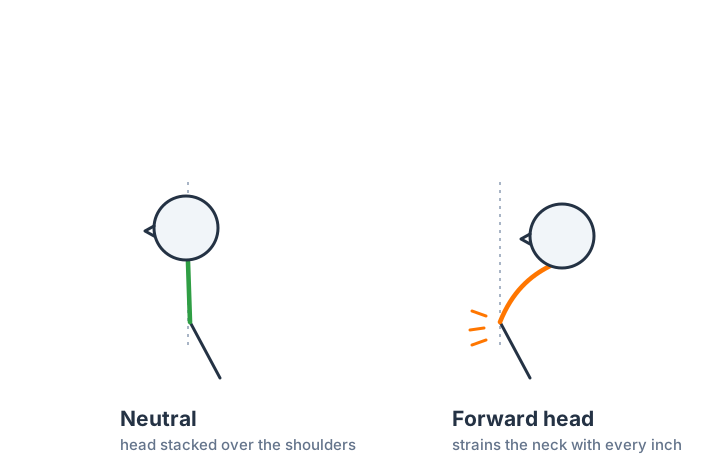
- Forward head posture from phones, laptops, and desk work, which loads the upper joints
- Stress and jaw clenching, which keep the muscles at the base of the skull tight
- Sleeping positions that leave your head craned or unsupported through the night
- Old injuries, including whiplash from a car accident that never fully settled
Because these joints move so much, they're also quick to stiffen up when the muscles around them stay tense. Over time, that combination of restriction and tension is what turns an occasional twinge into ongoing pain.
Common Symptoms
Upper neck pain tends to show up in a recognizable pattern:
- A deep ache or stiffness right below the base of the skull
- Headaches that start at the back of the head and creep forward
- Trouble turning your head fully in one or both directions
- Occasional dizziness or a foggy, off-balance feeling
- Tenderness when you press along the top of your neck
Because this area is so connected to your head, upper neck pain and headaches frequently travel together.
Who's Most at Risk?
Anyone can develop upper neck pain, but it's more common in:
- Desk and remote workers who spend long hours on screens
- People under ongoing stress, who tend to hold tension in the neck and jaw
- Older adults, as the upper neck joints accumulate normal wear over the years
- Anyone with a prior neck injury that changed how the region moves
How Upper Neck Pain Is Evaluated
The upper neck is a precise, sensitive area, so a careful exam comes first — both to guide care and to rule out anything that needs a different path. At Thrive Chiropractic, Dr. Rubinstein's assessment usually includes:
- A detailed history of your symptoms — where the pain sits, whether headaches or dizziness come with it, and what makes it better or worse
- Range-of-motion testing of the upper neck, watching how far and how comfortably you can nod, turn, and look up
- Gentle, specific palpation of the top vertebrae and the muscles at the base of the skull to find the exact joints that have stiffened
- A posture check, since a head-forward position loads this region heavily
That screen is exactly why the exam matters: it confirms the pain is coming from the neck's joints and muscles, and clears the way for the gentle, focused care that follows.
What to Expect at Thrive Chiropractic
At Thrive Chiropractic in Troy, MI, care is shaped by what the exam finds. Because the upper neck is such a sensitive, precise area, our upper cervical care is built around gentle, specific techniques rather than force. Your care may combine:
- Focused chiropractic adjustments to restore motion to stiff upper-neck joints
- Soft-tissue and massage work to release the tight muscles at the base of the skull
- Posture guidance to take daily strain off the region
- A plan tailored to how long the problem has been building
The goal is to settle the pain and improve how your upper neck moves, not just mask the symptoms for a day.
How to Care for Your Upper Neck at Home
A few simple habits can take pressure off the top of your neck between visits:
- Bring your screens up to eye level so you're not constantly craning downward.
- Support your head at night with a pillow that keeps your neck in a neutral line, not propped too high or too flat.
- Loosen your jaw — notice when you're clenching, and let your teeth rest slightly apart during the day.
- Do slow, gentle chin tucks to wake up the deep muscles that support the upper neck, stopping short of any sharp pain.
When to See a Chiropractor
An occasional stiff morning isn't cause for concern. It's worth getting evaluated when you notice upper neck pain or headaches that keep returning, stiffness that doesn't ease with rest or gentle stretching, or pain that wakes you or limits your ability to turn your head.
Persistent dizziness paired with neck pain is a particularly good reason to be seen sooner rather than later so the cause can be pinned down. When you're ready, you can schedule a visit and Dr. Rubinstein will start with the careful exam this region deserves.
Neck Pain Relief Guide (PDF)A one-page take-home guide: simple steps that ease neck pain, what's usually behind it, and the warning signs that need a doctor.PDFThis article is for general education and is not a substitute for professional medical advice, diagnosis, or treatment. Always consult a qualified healthcare provider about your specific situation.
Frequently Asked Questions
Why does my upper neck pain cause headaches?
The joints and muscles at the top of your neck share nerve pathways with the base and back of your skull. When those upper joints get stiff or irritated, that tension can refer up into your head as a headache — often felt at the back of the skull or behind the eyes.
Is it safe to adjust the upper neck?
Yes. Dr. Rubinstein begins with a thorough exam to understand exactly how your upper neck is moving, then uses precise, gentle techniques suited to that region. Care is always tailored to what your neck needs, not a one-size-fits-all approach.
How long until my upper neck feels better?
Many patients notice relief within the first few visits, though how quickly things improve depends on how long the problem has been building. After your first exam, Dr. Rubinstein will give you a realistic timeline for your situation.
Can upper neck pain make me feel dizzy or off-balance?
It can. The upper neck feeds your brain a constant stream of position information that helps keep you balanced, so when those joints and muscles are stiff or irritated, some people feel foggy, unsteady, or lightly off-balance. Persistent dizziness always deserves an exam so the cause can be pinned down, but neck-related dizziness often eases as the upper neck moves better.
Is upper neck pain different from a headache?
They overlap. A headache driven by the upper neck — sometimes called a cervicogenic headache — starts in the neck and refers into the head, so you may feel both at once. Because the source is the neck, addressing the neck is what tends to settle these headaches.
Ready to get evaluated at Thrive Chiropractic?
Dr. Rubinstein will assess what’s really going on and build a care plan tailored to you. Reach out and we’ll get you scheduled.
2133 Crooks Road | Troy MI 48084