
Tech Neck: Causes, Symptoms & How Chiropractic Helps
Tech neck is the neck pain, stiffness, and headaches that come from looking down at phones and screens all day. Here's what causes it, how to recognize it, how it's evaluated, and how chiropractic care at Thrive Chiropractic in Troy, MI restores your posture and motion.
What Is Tech Neck?
Tech neck is the name for the neck and upper-back strain that builds up from spending hours with your head tilted down toward a phone, tablet, or laptop. Over time, this repeated posture pulls the head forward of the shoulders — a position called forward head posture — and flattens the gentle curve your neck is meant to have.
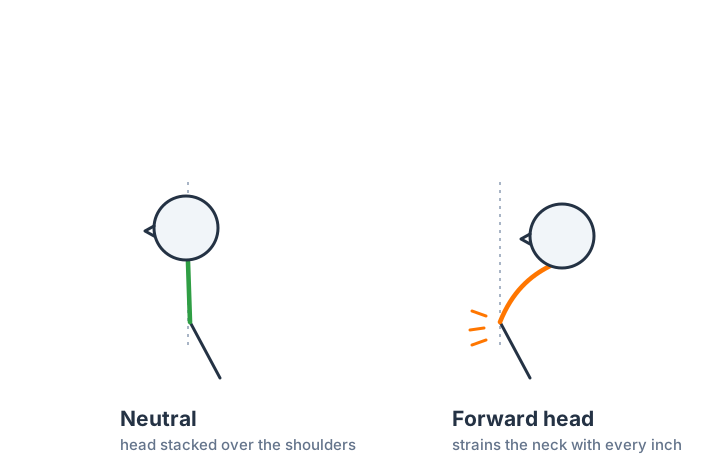
Here's why that position matters so much. When your head sits balanced over your shoulders, your neck holds it with very little effort. But your neck works like a lever: the farther your head drifts forward of your shoulders, the harder your neck and upper-back muscles have to work to keep it from tipping. A head that's only a couple of inches out of line can feel, to the muscles holding it, several times heavier than it actually is.
That's the load when your head is balanced over your shoulders. Tip it forward to look down at a phone and the effective pull on your neck rises steeply — which is why a posture that feels harmless can leave your neck aching by evening.
That constant, low-grade overwork is what turns an ordinary daily habit into the stiffness, fatigue, and neck pain so many people live with.
What Causes Tech Neck?
Tech neck isn't caused by one bad moment — it's the result of a posture repeated thousands of times a day. The most common contributors are:
- Looking down at phones for texting, scrolling, and email
- Laptops and tablets placed below eye level
- Desk setups with monitors that are too low
- Long stretches without breaks, so the muscles never get to reset
The problem compounds because the body adapts to the positions it holds most often. Hold your head forward long enough and the muscles, joints, and even the spinal curve begin to remodel around that posture — the same mechanism behind forward head posture more broadly. That's why tech neck tends to creep up gradually rather than arrive all at once.
Common Symptoms
Tech neck shows up in a few recognizable ways:
- Aching or stiffness at the base of the neck and between the shoulder blades
- Reduced range of motion — it's harder to turn or tilt your head fully
- Tension headaches that start at the back of the skull
- Tight, tender muscles across the upper shoulders and traps
- A visible forward-head or "rounded" posture in photos or mirrors
Left unaddressed, that constant strain can progress to nerve irritation, disc problems, and early wear in the neck joints.
Who's Most at Risk?
Anyone who spends significant time on devices can develop tech neck, but it's most common in:
- Desk and remote workers on screens all day
- Students studying on laptops and phones
- Teens and young adults, who average many hours of daily screen time
- People who already have neck stiffness or a prior neck injury
If your job keeps you at a desk, tech neck often overlaps with neck pain from desk work, since both come down to hours held in a head-forward position.
How Tech Neck Is Evaluated
Because tech neck is a posture problem as much as a pain problem, the exam looks at both. At Thrive Chiropractic, Dr. Rubinstein starts by hearing how your symptoms behave — when they flare, what eases them, and how your typical day is set up. From there, a hands-on assessment usually includes:
- A posture check from the side, noting how far your head sits ahead of your shoulders and how much your upper back has rounded
- Range-of-motion testing, watching how freely and comfortably you can turn, tilt, and look up
- Joint-by-joint palpation of the neck to find the specific segments that have stiffened or become tender
- A quick screen for nerve involvement if you've had any numbness, tingling, or arm symptoms
The point of the exam isn't just to confirm you have tech neck — it's to map your neck: which joints have lost motion, how far the posture has shifted, and what's driving it. That map is what makes the care plan specific to you.
What to Expect at Thrive Chiropractic
At Thrive Chiropractic in Troy, MI, care follows directly from what the exam finds. It's tailored to you and typically combines:
- Chiropractic adjustments to restore motion to restricted neck joints
- Work to help rebuild the neck's natural curve and pull the head back over the shoulders
- Soft-tissue and massage therapy to release the tight upper-back muscles
- Posture and ergonomic coaching so the problem doesn't simply return
The goal isn't just to chase the pain — it's to correct the posture driving it. Here's the difference that correction is aiming for:
For neck pain rooted higher up near the base of the skull, that work often overlaps with our upper cervical care, which uses gentle, precise techniques for that sensitive region.
How to Prevent Tech Neck
You can dramatically reduce tech neck with a few daily habits:
- Raise your screen to eye level — prop up laptops, lift your monitor, hold your phone higher instead of dropping your head.
- Take a 30-second reset every 30 minutes — look up, roll your shoulders back, and gently retract your chin.
- Strengthen the deep neck and upper-back muscles that hold good posture.
- Set up your desk ergonomically — screen at eye level, feet flat, elbows supported.
When to See a Chiropractor
Occasional stiffness after a long day is normal. It's worth getting evaluated when you notice neck pain or headaches that keep coming back, stiffness that doesn't ease with rest or stretching, or posture changes that friends and family have started to point out.
Radiating symptoms in particular are a sign to be seen sooner rather than later. When you're ready, you can schedule a visit and Dr. Rubinstein will take it from there.
Neck Pain Relief Guide (PDF)A one-page take-home guide: simple steps that ease neck pain, what's usually behind it, and the warning signs that need a doctor.PDFThis article is for general education and is not a substitute for professional medical advice, diagnosis, or treatment. Always consult a qualified healthcare provider about your specific situation.
Frequently Asked Questions
Is tech neck permanent?
No. Caught early, the posture and pain from tech neck are very treatable with chiropractic care, targeted exercises, and ergonomic changes. Long-standing cases take longer to correct because the muscles, joints, and cervical curve have adapted, but they still respond well with consistent care.
Can chiropractic fix tech neck?
Chiropractic care restores normal motion to the joints of the neck, helps rebuild the natural cervical curve, and relieves the muscle tension tech neck creates. Combined with posture and ergonomic coaching, it addresses both the symptoms and the underlying posture driving them.
How long until I feel better?
Many patients feel relief within the first few visits, though rebuilding posture and the neck's natural curve is a longer process measured in weeks to months. After your first exam, Dr. Rubinstein will give you a realistic timeline for your specific situation.
Does tech neck cause headaches?
Often, yes. The muscles and joints at the top of the neck share nerve pathways with the base of the skull, so the sustained strain of a head-forward posture frequently refers upward as a tension headache. Easing the neck strain usually settles those headaches too.
Will I have to give up my phone?
No. The goal isn't less screen time — it's better screen position. Holding your phone closer to eye level, raising your monitor, and taking short posture resets removes most of the strain without changing how much you use your devices.
Ready to get evaluated at Thrive Chiropractic?
Dr. Rubinstein will assess what’s really going on and build a care plan tailored to you. Reach out and we’ll get you scheduled.
2133 Crooks Road | Troy MI 48084