
Lower Neck Pain: Causes, Symptoms & How Chiropractic Helps
Lower neck pain sits near where your neck meets your shoulders and can radiate into the arms and upper back. Here's what causes it, how to recognize it, how it's evaluated, and how chiropractic care at Thrive Chiropractic in Troy, MI helps.
What Is Lower Neck Pain?
Lower neck pain is discomfort that settles at the base of your neck, right where it meets your upper back and shoulders. This part of your spine does a lot of work — it supports the weight of your head, absorbs the strain of desk work and lifting, and serves as the doorway for the nerves that run out to your shoulders and arms.
Because of that, lower neck pain often feels broader than a simple crick. You might notice an ache spreading across the tops of your shoulders, a stiff pull when you turn your head, or, in some cases, tingling that travels down an arm. That contrasts with upper neck pain, which sits higher near the skull and is more closely tied to headaches.
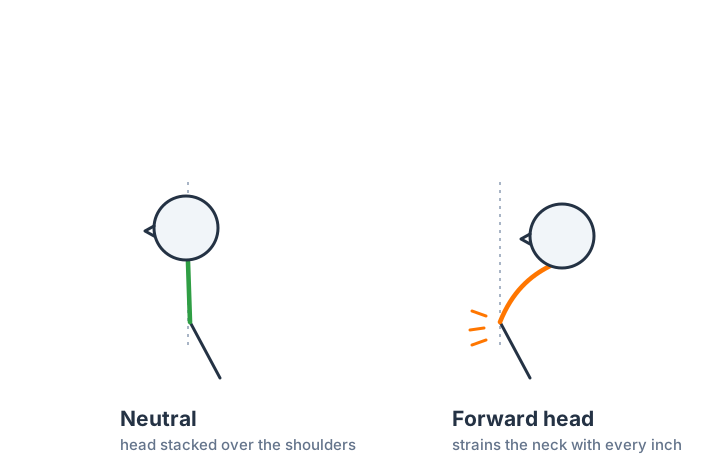
What Causes Lower Neck Pain?
Lower neck pain usually develops from the repeated demands you place on this part of the spine. Common contributors include:
- Slouched desk posture, which rounds the shoulders and loads the lower neck
- Poor workstation ergonomics — a low monitor, an unsupported chair, or a cradled phone
- Heavy or repetitive lifting that strains the neck and upper back
- Old injuries, including whiplash from an auto accident that changed how the area moves
- Normal wear on the lower discs and joints over the years
When these joints stiffen, the surrounding muscles tighten to compensate, and that combination is what usually keeps the pain going. Much of it traces back to the same head-forward habits behind neck pain from desk work.
Common Symptoms
Lower neck pain tends to show up as:
- An ache or stiffness at the base of the neck and across the shoulders
- Reduced range of motion when turning or tilting your head
- Tingling, numbness, or radiating pain into a shoulder, arm, or hand
- A feeling of tightness between the shoulder blades
- Discomfort that worsens after long hours at a desk
Who's Most at Risk?
Anyone can develop lower neck pain, but it's most common in:
- Desk and remote workers who sit hunched over screens for hours
- Athletes and manual workers whose activities load the neck and shoulders
- People recovering from a car accident or neck injury
- Anyone with long-standing poor posture or previous disc trouble
How Lower Neck Pain Is Evaluated
Because the lower neck is where the nerves to your arms begin their journey, the exam does more than check for stiffness — it looks for whether a nerve or disc is part of the picture. At Thrive Chiropractic, Dr. Rubinstein's assessment usually includes:
- A focused history of where the pain sits, whether anything travels into the arm, and what activities set it off
- Range-of-motion testing to see how freely you turn and tilt your head and which movements reproduce your symptoms
- Palpation of the lower-neck joints and surrounding muscles to locate the restricted, tender segments
- A neurological screen — checking sensation, strength, and reflexes in the arms — whenever symptoms suggest a nerve may be involved
Those findings decide the path forward — in particular, whether the problem is mostly joint-and-muscle or whether a disc is pressing on a nerve and calling for a different approach.
What to Expect at Thrive Chiropractic
At Thrive Chiropractic in Troy, MI, care is guided by what the exam finds. From there, it's tailored to you and may combine:
- Chiropractic adjustments to restore motion to restricted lower-neck joints
- Spinal decompression when a disc is involved and gently easing pressure off the nerve makes sense
- Soft-tissue and massage therapy to release the tight shoulder and upper-back muscles
- Posture and ergonomic coaching so the strain doesn't simply return
The aim is to relieve the pain and improve how the whole region moves, not just quiet things down for a day.
How to Protect Your Lower Neck Every Day
A few practical habits can take a real load off your lower neck:
- Set your monitor to eye level and sit back into a chair that supports your mid-back, so your shoulders aren't rounding forward.
- Take a movement break every 30 minutes — stand, roll your shoulders back, and gently turn your head side to side.
- Lift with your legs, keep loads close to your body, and avoid twisting your neck under strain.
- Strengthen your upper back so those muscles help hold your shoulders back and take pressure off the lower neck.
When to See a Chiropractor
Some stiffness after a demanding day is normal. It's worth getting evaluated when you notice lower neck or shoulder pain that keeps coming back, stiffness that doesn't ease with rest or stretching, or pain that interferes with sleep or daily activities.
Radiating symptoms into the arm are a signal to be seen sooner rather than later so the source can be identified. When you're ready, you can schedule a visit and Dr. Rubinstein will start by working out exactly what's driving it.
Neck Pain Relief Guide (PDF)A one-page take-home guide: simple steps that ease neck pain, what's usually behind it, and the warning signs that need a doctor.PDFThis article is for general education and is not a substitute for professional medical advice, diagnosis, or treatment. Always consult a qualified healthcare provider about your specific situation.
Frequently Asked Questions
Why does my lower neck pain spread into my shoulder or arm?
The nerves that travel to your shoulders, arms, and hands exit the spine at the lower neck. When a joint or disc in that area gets irritated, it can put pressure on those nerves, which is why lower neck pain sometimes radiates down into the shoulder, arm, or fingers.
Can chiropractic help lower neck pain?
Yes. Chiropractic care restores normal motion to the lower neck joints, relieves the muscle tension that builds up around them, and takes pressure off irritated nerves. Combined with posture coaching, it addresses both the pain and the habits driving it.
How long until my lower neck feels better?
Many patients feel relief within the first few visits, though how quickly things improve depends on how long the problem has been present and whether a disc or nerve is involved. After your first exam, Dr. Rubinstein will give you a realistic timeline for your situation.
Is lower neck pain the same as a pinched nerve?
Not always. A lot of lower neck pain is muscular and joint-related, with no nerve involvement at all. It's specifically when symptoms travel down the arm — tingling, numbness, or weakness — that a pinched nerve becomes likely. The exam sorts one from the other, which is why radiating symptoms are worth having checked.
Should I use heat or ice for lower neck pain?
Both can help, and it partly comes down to what feels better to you. Ice tends to calm a freshly aggravated, inflamed neck, while gentle heat helps loosen tight, stiff muscles. Neither fixes the underlying cause, though — if the pain keeps returning, it's worth having the source evaluated.
Ready to get evaluated at Thrive Chiropractic?
Dr. Rubinstein will assess what’s really going on and build a care plan tailored to you. Reach out and we’ll get you scheduled.
2133 Crooks Road | Troy MI 48084