
Cervicogenic Headaches: When Neck Problems Cause Head Pain
Cervicogenic headaches are head pain that actually starts in the neck — usually one-sided, spreading from the base of the skull forward. This guide explains how the neck refers pain to the head, how to tell these headaches apart from migraines and tension headaches, how Dr. Rubinstein evaluates them, and how chiropractic care at Thrive Chiropractic in Troy, MI relieves them at the source.
What Are Cervicogenic Headaches?
A cervicogenic headache is head pain that actually begins in your neck. The word simply means "coming from the neck," and that's the key idea: even though you feel the ache in your head, the real source is the joints, muscles, and nerves of the upper neck. The nerves at the very top of your spine share pathways with the nerves of your face and scalp, so when the upper neck is irritated, your brain can interpret that signal as a headache.
This is why treating the head alone — with rest or over-the-counter remedies — often doesn't give lasting relief. The pain keeps returning because the underlying neck problem hasn't been addressed. Since the root cause lives in the neck, this type of headache is closely tied to neck pain and often responds well to care aimed at the neck itself. It also sits within the wider world of headaches, which has many possible causes.
How the Neck Refers Pain to Your Head
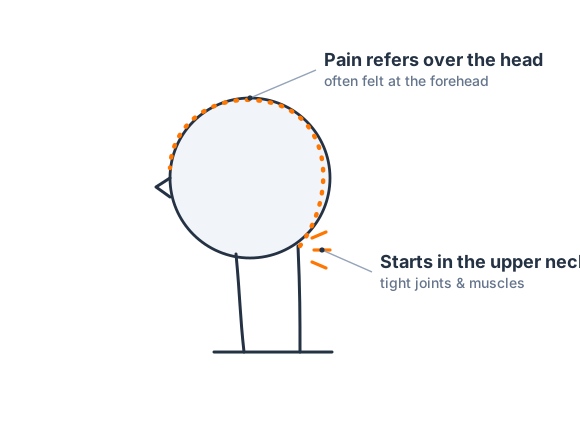
Understanding why a neck problem shows up as head pain makes the whole condition make sense. The top three nerves of your neck — the ones exiting the upper cervical spine — feed into a shared relay station in the brainstem called the trigeminal nucleus. That same relay handles sensation from your forehead, temple, and the area around your eye. When signals from an irritated upper-neck joint or tight muscle pour into that shared station, your brain can't always tell exactly where they started, so it "refers" the pain forward into the head.
That's the mechanism behind the classic pattern: an ache that begins at the base of the skull on one side and creeps up over the temple or behind the eye. It isn't your imagination that neck movement changes the headache — the neck genuinely is the source, and the head is simply where the pain is felt. This referral is also why the most reliable relief comes from calming the neck, not from repeatedly medicating the head.
What Causes Them?
Cervicogenic headaches start when something restricts or irritates the upper neck. Common contributors include:
- Poor posture, especially forward head posture from long hours at a screen — the pattern behind tech neck and desk-related neck pain
- Joint restriction in the upper neck, where movement becomes stiff and limited
- Muscle tension across the neck, upper back, and base of the skull
- Old injuries such as whiplash from a car accident or fall
- Prolonged awkward positions — cradling a phone, working at a low monitor, or sleeping in a strained posture
If your headaches followed a collision, they may be connected to the neck injury itself — our page on neck pain after a car accident explains how those symptoms can develop and linger.
Common Symptoms
Cervicogenic headaches have a fairly recognizable pattern:
- Pain that usually stays on one side of the head
- Aching that starts at the base of the skull and spreads toward the forehead, temple, or behind the eye
- Neck stiffness and reduced range of motion accompanying the headache
- Pain that worsens with certain neck positions or movements
- Tenderness across the upper neck and shoulders
- Sometimes mild dizziness or discomfort with prolonged sitting
The strong link between the head pain and neck movement is often the biggest clue that the neck is involved.
How They Differ From Other Headaches
It's easy to lump all headaches together, but cervicogenic headaches have their own signature:
- Versus migraines — migraines are a neurological condition, often with throbbing pain, nausea, or light and sound sensitivity, and aren't primarily driven by neck movement. If migraines are your concern, our migraines resource covers that picture in more detail.
- Versus tension headaches — tension headaches usually feel like a band of pressure around the whole head, rather than one-sided pain radiating from the neck.
These types can overlap, and someone may experience more than one, which is why a careful exam matters before deciding on care. Some people, for instance, have both a migraine tendency and a genuine neck contribution — sorting that out changes what actually helps.
How Cervicogenic Headaches Are Evaluated at Thrive
Because so many headaches look alike from the outside, the evaluation is what distinguishes a neck-driven headache from other types — and it's the step that makes care effective rather than hit-or-miss. When you come in, Dr. Rubinstein starts with your history: where the pain begins, which side it favors, what brings it on, how it relates to your posture and your day, and whether neck stiffness travels with it.
From there, the exam focuses on the upper neck:
- Range-of-motion testing — checking how far and how comfortably your neck turns and tilts, since cervicogenic headaches typically come with restricted motion toward the painful side
- Palpation of the upper cervical joints and muscles — locating the specific restrictions and tender points at the base of the skull that tend to drive the referral
- Reproducing the headache — gently loading or moving the upper neck to see whether it brings on your familiar head pain, which is a strong clue the neck is the source
- Screening for red flags — ruling out signs that point to a headache needing urgent medical evaluation rather than chiropractic care
If anything in that screening suggests a different or more serious cause, a referral is arranged. The aim is a clear answer to a simple question — is your neck driving this headache? — so care targets the real source instead of chasing the symptom.
What to Expect From Care at Thrive Chiropractic
At Thrive Chiropractic in Troy, MI, when the neck is the source, care commonly includes:
- Chiropractic adjustments to restore motion to the upper neck joints, an area often addressed through upper cervical care
- Soft-tissue and massage therapy to release tension at the base of the skull and across the upper back
- Posture and ergonomic coaching to reduce the strain feeding the headaches
- A tailored plan based on what your exam reveals
The aim is to relieve the head pain by addressing the neck problem driving it — not just to quiet the symptom for a few hours. When posture is a major contributor, the hands-on care and the ergonomic changes work best together.
How to Ease and Prevent Them
A few everyday habits can reduce both the frequency and the intensity of cervicogenic headaches:
- Improve your screen setup. Raise your monitor to eye level and keep your phone up rather than dropping your head toward it.
- Take posture breaks. Every 30 minutes or so, look up, roll your shoulders back, and gently draw your chin in to reset your neck.
- Loosen the neck and upper back. Gentle stretching and movement through the day help keep the muscles from tightening.
- Support your neck at night with a pillow that keeps your head in a neutral position while you sleep.
Because posture and old injuries are common drivers, pairing these habits with a proper evaluation tends to give the most durable relief. If desk work is your main trigger, the strategies in our neck pain from desk work guide build on the same ideas.
When to Seek Prompt or Emergency Care
Most cervicogenic headaches are a mechanical problem in the neck that responds well to care. But some headaches are warning signs of something serious, and those need urgent medical attention — not a chiropractic visit — regardless of what may have caused past headaches.
Short of an emergency, seek prompt medical evaluation for headaches that are new or different from your usual pattern, that keep worsening, or that don't respond to usual measures. For the everyday one-sided headaches that flare with neck positions and travel with neck stiffness, a chiropractic evaluation is a natural fit — you can schedule a visit here.
Frequently Asked Questions
The questions Dr. Rubinstein hears most about neck-driven headaches — how to tell them from migraines, how long relief takes, and whether posture changes are enough — are answered in the FAQ section on this page. If your situation isn't covered there, the team is glad to talk it through before you come in.
Neck Pain Relief Guide (PDF)A one-page take-home guide: simple steps that ease neck pain, what's usually behind it, and the warning signs that need a doctor.PDFThis article is for general education and is not a substitute for professional medical advice, diagnosis, or treatment. Always consult a qualified healthcare provider about your specific situation.
Frequently Asked Questions
How do I know if my headache is coming from my neck?
Cervicogenic headaches usually stay on one side, begin at the base of the skull and spread forward, and are often triggered or worsened by certain neck positions or movements. Accompanying neck stiffness is a common clue. A chiropractic exam — including gently reproducing the headache through neck movement — can help confirm whether the neck is the source.
Can a chiropractor help with cervicogenic headaches?
Yes. Because these headaches originate in the neck, restoring normal motion to the upper cervical joints and easing the surrounding muscle tension often relieves the head pain at its source. Dr. Rubinstein tailors care to your specific findings rather than treating every headache the same way.
Are cervicogenic headaches the same as migraines?
No. Migraines are a neurological condition with their own triggers and symptoms, while cervicogenic headaches are referred pain from the neck. They can feel similar and sometimes overlap, which is why a careful exam matters to guide the right care.
How long does it take to get relief?
Many people notice improvement within the first few weeks of care, though it depends on how long the neck problem has been building and what's driving it — posture, an old injury, or joint restriction. Because we're addressing the source rather than masking the pain, the goal is lasting relief, and Dr. Rubinstein will give you a realistic timeline after your exam.
Will fixing my posture make the headaches go away?
Improving your posture and workstation often reduces how often and how intensely these headaches strike, because forward head posture is a major contributor. But if joint restriction or an old injury is also involved, posture changes work best alongside hands-on care that restores upper-neck motion. The two together tend to outperform either alone.
Ready to get evaluated at Thrive Chiropractic?
Dr. Rubinstein will assess what’s really going on and build a care plan tailored to you. Reach out and we’ll get you scheduled.
2133 Crooks Road | Troy MI 48084