
Migraine Relief & Prevention: A Practical, Honest Guide
A practical, honest guide to easing a migraine when it hits and cutting down how often attacks happen — dark and quiet, cold, hydration, acting early, and rest for relief; trigger management, sleep, posture and neck care, and stress control for prevention. No cure claims, just what actually helps, plus how chiropractic care at Thrive Chiropractic in Troy, MI can support the neck-and-posture piece.
First, an Honest Word About Migraine
Let's be straight from the start: there is no cure for migraine. Anyone promising to make it disappear for good isn't being honest with you. What is true — and genuinely encouraging — is that a great deal can be done to ease an attack when it hits and to make attacks less frequent and less severe over time. This guide is about those practical, honest levers.
Migraine is a neurological condition, and the goal isn't to "beat" it but to manage it well: to have a reliable plan for the bad days and a set of steady habits that keep the bad days from piling up. That two-part approach — relief for attacks in progress and prevention to reduce how often they come — is the backbone of living well with migraines. It sits within the wider world of headaches, but migraine has its own logic, and its own set of things that reliably help.
Acute Relief: Easing an Attack in Progress
When a migraine is underway, the aim is to take the edge off and let it pass with as little suffering as possible. The tried-and-true measures are simple, and they work together:
- Get to a dark, quiet room. Migraine cranks up sensitivity to light and sound, so removing both is often the single most soothing thing you can do.
- Apply something cold. A cool cloth or cold pack on the forehead, temples, or the back of the neck can dull the pain for many people.
- Hydrate. Sip water steadily — dehydration both triggers and worsens attacks.
- Rest. Lie down, close your eyes, and let your system downshift; sleep, if it comes, is often the best reset.
- Ease off the screens and stimulation. This isn't the moment to push through work or scroll your phone.
None of these cures the migraine — they ease it while it runs its course. But used together and early, they can meaningfully shorten the misery.
Acting Early Makes a Difference
If there's one skill worth developing, it's catching an attack early. Once a migraine has fully built, it's far harder to rein in. Many people get warning signs in the run-up — an aura, an odd mood, a food craving, unusual fatigue, or the very first flicker of pain. Learning to recognize your personal early signals gives you a window to act.
The moment you notice those first signs, step in: get to a dark, quiet space, apply cold, hydrate, and rest, rather than trying to power through. That early intervention often blunts the attack in a way that waiting simply can't. If migraine tends to march through predictable stages for you, our guide to migraine phases can help you spot the earliest ones — and if you experience visual or sensory warnings, migraine with aura explains what that early window can look like.
Prevention: Fewer Attacks Over Time
Relief handles the attack you're in; prevention is the longer game of having fewer of them. This is where the day-to-day foundations earn their keep. None of them is a magic switch, but together they steadily lower the odds of the next attack:
- Consistency is the theme. Migraine dislikes swings — in sleep, meals, hydration, and stress. Steady routines keep the system on an even keel.
- Manage your triggers (more below) so you're not repeatedly setting attacks in motion.
- Care for your posture and neck, a common contributor that's easy to overlook.
- Keep stress in check, since it's one of the most reliable triggers there is.
For people with frequent or severe migraines, your medical team may add preventive treatment aimed at lowering attack frequency. Prevention works best as a combination — the habits and the medical plan reinforcing each other. And a word of caution that belongs here: leaning too hard on acute pain medication can backfire into rebound headaches, which is one more reason prevention deserves real attention.
Managing Your Triggers
Triggers are the specific things that tend to set off your attacks, and they're personal — what floors one person barely registers for another. Common culprits include skipped meals, dehydration, poor sleep, stress, certain foods and drinks, hormonal shifts, and bright or flickering light. The goal isn't to live in fear of every possible trigger, but to learn your own reliable ones and manage what you can.
The most useful tool here is a simple headache log: jot down when attacks happen and what preceded them, and patterns tend to surface over a few weeks. Our detailed guide to migraine triggers walks through the common categories and how to tease out yours. Once you can see your patterns, prevention gets a lot more targeted — you're managing the handful of things that actually matter for you, not chasing a generic list.
Sleep, Posture, and Neck Care
Three foundations deserve special mention because they quietly influence so many migraine patterns:
- Sleep. Irregular or poor sleep lowers the threshold for the next attack. Consistent bed and wake times — even on weekends — are one of the highest-value prevention habits there is.
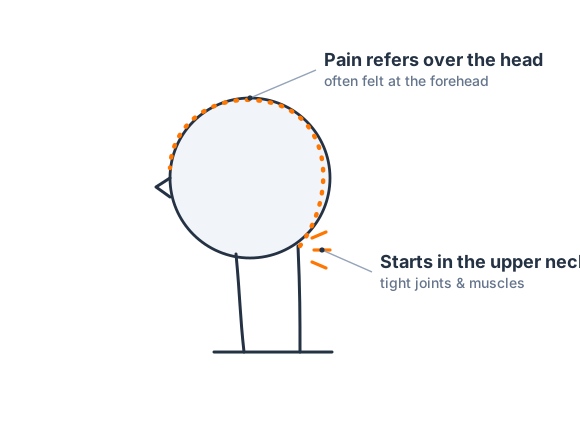
- Posture. A head-forward posture from phones, laptops, and desk work loads the upper neck and shoulders, and that sustained strain can feed headache patterns. Bringing screens to eye level and taking regular posture breaks eases it.
- Neck care. Tension and stiffness in the upper neck are common contributors to headaches. Gentle movement, supporting your head at night, and easing muscle tension all help — and this is the piece hands-on care can directly address.
How Chiropractic Care Fits at Thrive
At Thrive Chiropractic in Troy, MI, we're clear about our role: chiropractic care is not a migraine cure, and it doesn't replace your medical plan. What it can do is address the neck-and-posture component that adds to many people's migraine load. When an exam points to that contribution, care may include:
- Gentle chiropractic adjustments to restore motion to stiff upper-neck joints, an area addressed through upper cervical care
- Soft-tissue and massage therapy to release tension at the base of the skull and across the upper back
- Posture and ergonomic coaching to reduce the daily strain feeding headache patterns
- A tailored plan that complements — and communicates with — your medical care
Think of it as one useful, drug-free layer in a broader strategy: easing a contributor you can feel, while the larger migraine picture stays a team effort with your medical providers.
Building Your Own Migraine Plan
The most effective approach pulls relief and prevention into a single plan you can actually follow:
- Know your early warning signs and have a rescue routine ready to go the moment they appear.
- Keep a migraine kit stocked and within reach.
- Track attacks and triggers so your prevention gets more targeted over time.
- Protect the foundations — sleep, hydration, steady meals, stress care, and posture and neck health.
- Loop in your medical team for frequent or severe attacks, and address the neck-and-posture piece alongside that.
A plan you'll stick with beats a perfect plan you won't. Start with a couple of changes, see what helps, and build from there.
When to Seek Prompt or Emergency Care
Most migraines, however miserable, follow a pattern you come to know. Some headaches, though, are warning signs of something serious and need immediate medical attention — not a chiropractic visit — no matter your migraine history.
Short of an emergency, get a prompt medical evaluation if your headaches change in pattern or frequency, or if your medication use is creeping up. For the neck-and-posture piece of migraine management, a chiropractic evaluation is a natural fit — you can schedule a visit here.
Frequently Asked Questions
The questions Dr. Rubinstein hears most about managing migraine — the fastest ways to ease an attack, whether migraines can really be prevented, why acting early matters, and where neck care and medication each fit — are answered in the FAQ section on this page. If your situation isn't covered there, the team is glad to talk it through before you come in.
Headache & Migraine Relief Guide (PDF)A one-page take-home guide: steps that ease headaches and migraines, common triggers, and the warning signs that need a doctor.PDFThis article is for general education and is not a substitute for professional medical advice, diagnosis, or treatment. Always consult a qualified healthcare provider about your specific situation.
Frequently Asked Questions
What's the fastest way to relieve a migraine at home?
Get to a dark, quiet room, apply something cold to your head or neck, drink water, and rest — and do it early, at the first signs, rather than pushing through. Acting quickly often takes more of the edge off than waiting until the attack is in full swing. These steps won't cure a migraine, but they can meaningfully ease one while it runs its course.
Can migraines be prevented?
You can't guarantee a migraine will never happen, but you can often reduce how often and how hard attacks strike. Managing your triggers, protecting steady sleep, easing stress, staying hydrated, and caring for your posture and neck all work together to lower the odds. For frequent or severe migraines, your medical team may also add preventive treatment to the mix.
Does caring for my neck help with migraines?
For many people, yes — as a supporting layer. Neck tension and posture are common contributors that can add to a migraine's load, and easing them can help. It isn't a cure, and it doesn't replace medical migraine care, but addressing the neck-and-posture piece is a practical, drug-free thing you can act on. At Thrive, Dr. Rubinstein focuses on exactly that component.
Why does acting early on a migraine matter so much?
Once a migraine fully builds, it's much harder to rein in. Stepping in at the first signs — the early aura, the odd mood or food craving, the first hint of pain — with rest, dark and quiet, cold, and hydration tends to blunt the attack more effectively than waiting. Learning your own early warning signs is one of the most useful skills for managing migraine.
Will I always need medication for my migraines?
Not necessarily, and it varies a lot from person to person. Some people manage well with drug-free strategies and trigger control; others benefit from medical treatment, especially for frequent or severe attacks. Overusing acute pain medication can actually backfire into rebound headaches, so the goal is a balanced plan — which is a conversation worth having with your medical team.
Ready to get evaluated at Thrive Chiropractic?
Dr. Rubinstein will assess what’s really going on and build a care plan tailored to you. Reach out and we’ll get you scheduled.
2133 Crooks Road | Troy MI 48084