
Chronic Migraine: When Migraines Become an Almost-Daily Battle
Chronic migraine means headache on 15 or more days a month, with migraine features on at least 8 of them. This guide explains how episodic migraine can slide into chronic, the role of medication-overuse (rebound) headaches, why prevention matters so much, and how chiropractic co-management at Thrive Chiropractic in Troy, MI can support your medical care.
What Is Chronic Migraine?
Chronic migraine is what migraine becomes when it stops being an occasional event and starts dominating the calendar. The working definition is headache on 15 or more days per month, with migraine features on at least 8 of those days, sustained for more than three months. In plain terms: the headaches are happening most days, and a good share of them carry the throbbing, light-sensitive, nausea-tinged signature of migraine.
That frequency changes everything about how the condition is managed. When attacks are rare, treating each one as it comes can be enough. When they're nearly constant, the whole strategy has to shift toward prevention — lowering how often they happen in the first place. Chronic migraine is one branch of the wider migraines picture, and it overlaps with the broader world of headaches, so part of good care is being clear about exactly what you're dealing with.
How Episodic Migraine Becomes Chronic
Most people with chronic migraine didn't start there. They started with episodic migraine — attacks scattered across the month — and drifted, often without noticing, toward more and more headache days. That drift, sometimes called "chronification," usually isn't one dramatic change but the sum of several pressures:
- Frequent acute medication use, which can backfire into rebound headaches (more on that below)
- Poor or irregular sleep, which lowers the threshold for the next attack
- Unmanaged stress, keeping the nervous system on a hair trigger
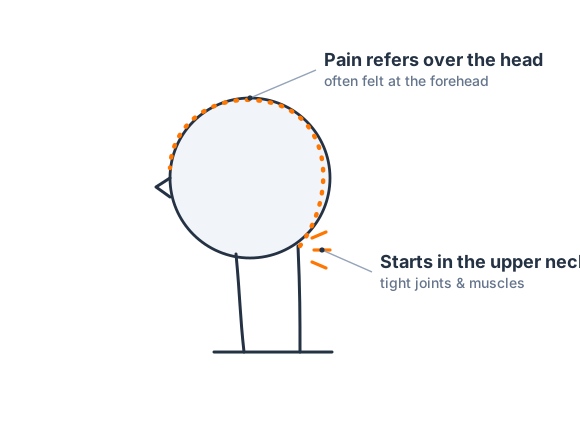
- Ongoing neck and upper-back tension, a contributor that quietly feeds many headache patterns
- Untreated or unrecognized triggers that keep setting attacks in motion
The encouraging flip side is that most of these are modifiable. Understanding your own migraine triggers and shoring up sleep, stress, and neck care are exactly the levers that can slow, and sometimes reverse, the trend.
The Role of Medication-Overuse Headaches
One of the most important — and most surprising — drivers of chronic migraine is the treatment itself. When acute headache medications are used too often, the body can adapt in a way that leads to medication-overuse headaches, also called rebound headaches. The pattern is cruel: the medicine that relieves a headache today, taken frequently enough, starts contributing to more headaches tomorrow.
This can happen with prescription migraine drugs and with everyday over-the-counter pain relievers alike. It's a major reason chronic migraine needs a thoughtful medical plan rather than an ever-climbing reliance on pills — and a reason the goal is fewer attacks, not just faster rescue. Our page on rebound headaches walks through how the cycle develops and why breaking it usually requires guidance from your medical team.
Common Symptoms
Chronic migraine carries the familiar migraine features, but their near-constant presence gives it a distinct texture:
- Headache on most days, ranging from a dull background ache to full migraine attacks
- Migraine features on many of those days — throbbing pain, often one-sided, with light and sound sensitivity or nausea
- Neck stiffness and tension that frequently travels with the head pain
- Fatigue, fogginess, and difficulty concentrating between and during attacks
- A blurring line between "having a migraine" and "not," since good days can feel rare
That relentlessness is the hardest part, and it's why the focus of care sits so firmly on prevention.
Why Prevention Matters So Much
When headaches are happening most days, treating them one at a time is a losing game — it tends to lead to more medication, more rebound risk, and more frustration. Prevention flips the approach: instead of reacting to each attack, you work to make attacks less frequent and less severe in the first place.
Prevention with chronic migraine is a team effort. Your medical team may use preventive medications or other therapies aimed at lowering attack frequency. Alongside that, the day-to-day foundations matter enormously — steady sleep, hydration, trigger management, stress reduction, and care for the neck and posture that so often feed headache patterns. None of these is a magic fix on its own, but together they're what actually moves the number of headache days down.
How Chronic Migraine Is Evaluated at Thrive
Chronic migraine is a medical diagnosis, and our role at Thrive is to evaluate and address the neck-and-posture component that can be part of the picture — while coordinating with the clinicians managing your migraines. When you come in, Dr. Rubinstein starts with a detailed history: your headache pattern, how many days a month you're affected, what you're taking and how often, your sleep and stress, and whether neck stiffness travels with the pain.
From there, the exam focuses on the areas we can help:
- A screen for red flags — ruling out signs that point to an urgent medical cause
- Upper-neck and posture assessment — checking range of motion and gently palpating the upper cervical joints and muscles for restriction and tenderness
- A look at daily loads — desk setup, screen habits, and sleep positions that keep the neck strained
- Coordination with your medical team — so the neck-focused care complements, rather than competes with, your migraine management
The aim is a clear, honest answer to a focused question: is neck tension and posture adding to your headache load, and can we help ease that piece?
What to Expect From Co-Management at Thrive Chiropractic
At Thrive Chiropractic in Troy, MI, chronic migraine care is explicitly a co-management role. We don't claim to cure migraine, and we don't replace your medical plan. When the exam points to a neck-and-posture contribution, care may include:
- Gentle chiropractic adjustments to restore motion to stiff upper-neck joints, an area addressed through upper cervical care
- Soft-tissue and massage therapy to release tension at the base of the skull and across the upper back
- Posture and ergonomic coaching to reduce the daily strain feeding headache patterns
- A tailored plan that fits around — and communicates with — the care your medical team provides
The goal is to be a useful, honest layer of support: easing a contributor you can feel and we can address, while the bigger migraine strategy stays in your medical team's hands.
How to Support Yourself Between Visits
The day-to-day foundations do real work in chronic migraine. Between visits, focus on the levers you can control:
- Protect your sleep. Consistent bed and wake times steady the system that governs attacks.
- Track your headache days and medication use. A simple calendar reveals patterns — and catches creeping medication overuse early.
- Manage triggers. Steady meals, hydration, and stress care all lower the odds of the next attack; our migraine triggers guide helps you spot yours.
- Tend to your neck and posture. Bring screens to eye level, take posture breaks, and support your head at night.
For a practical walk-through of both calming attacks and preventing them, see our guide to migraine relief and prevention.
When to Seek Prompt or Emergency Care
Chronic migraine is exhausting, but the headaches themselves usually follow your known pattern. Some symptoms, though, are warning signs of something serious and need immediate medical attention — not a chiropractic visit — no matter your migraine history.
Short of an emergency, get a prompt medical evaluation if your headaches suddenly change in pattern or frequency, or if your medication use is climbing. For the neck-and-posture piece of chronic migraine, a chiropractic evaluation fits naturally alongside your medical care — you can schedule a visit here.
Frequently Asked Questions
The questions Dr. Rubinstein hears most about chronic migraine — what counts as chronic, how episodic migraine drifts into it, the role of rebound headaches, and where chiropractic co-management fits — are answered in the FAQ section on this page. If your situation isn't covered there, the team is glad to talk it through before you come in.
Headache & Migraine Relief Guide (PDF)A one-page take-home guide: steps that ease headaches and migraines, common triggers, and the warning signs that need a doctor.PDFThis article is for general education and is not a substitute for professional medical advice, diagnosis, or treatment. Always consult a qualified healthcare provider about your specific situation.
Frequently Asked Questions
What counts as chronic migraine?
Chronic migraine is generally defined as headache on 15 or more days per month, with at least 8 of those days having migraine features, lasting more than three months. That's the line that separates it from episodic migraine, where attacks are less frequent. If you're keeping a calendar and the headache days are stacking up, it's worth a proper medical evaluation to confirm what's going on.
Can episodic migraines turn into chronic migraines?
Yes, and it often happens gradually rather than all at once. Frequent acute medication use, poor sleep, unmanaged stress, ongoing neck tension, and untreated triggers can all nudge episodic migraine toward chronic over time. The good news is that many of those drivers are things you and your care team can actively work on to slow or reverse the trend.
Can taking too much pain medication make migraines worse?
It can. Using acute headache medications too often — even over-the-counter ones — can lead to medication-overuse or 'rebound' headaches, where the treatment itself starts feeding the cycle. This is a big reason chronic migraine needs a medical plan rather than an ever-increasing reliance on pills. Our guide on rebound headaches explains how that pattern develops.
Can a chiropractor help with chronic migraine?
Chiropractic care isn't a cure for migraine, but neck tension and posture are common contributors that respond to hands-on care, and easing them can be a helpful supporting layer. At Thrive, Dr. Rubinstein focuses on that neck-and-posture component and coordinates with the medical team managing your migraines, rather than working in isolation.
Why does prevention matter more than treating each attack?
When headaches are happening most days, chasing each one after it starts tends to lead to more medication and more rebound risk. Prevention — steady sleep, hydration, trigger management, stress and neck care, and a medical prevention plan — aims to lower how often attacks happen in the first place. That's what actually turns the tide with chronic migraine.
Ready to get evaluated at Thrive Chiropractic?
Dr. Rubinstein will assess what’s really going on and build a care plan tailored to you. Reach out and we’ll get you scheduled.
2133 Crooks Road | Troy MI 48084