
Tension Headaches: Why That Band-Like Pressure Keeps Coming Back
Tension headaches are the most common kind of headache — a dull, band-like pressure around the head, usually tied to tight muscles in the neck, shoulders, and scalp. This guide explains what drives them, how posture and stress feed the cycle, how the neck plays a bigger role than most people realize, and how chiropractic care at Thrive Chiropractic in Troy, MI helps calm them at the source.
What Is a Tension Headache?
A tension headache is the most common kind of headache there is — the everyday "my head feels tight" ache that most people get from time to time. Instead of the one-sided throb of a migraine, a tension headache tends to feel like a steady band of pressure wrapping around your whole head, as if someone gently tightened a strap across your forehead and around the back of your skull.
The name is a good hint about where it comes from: muscle tension. The muscles of your neck, shoulders, and scalp can stay contracted for hours at a time — during a stressful day, a long stretch at the computer, or a poor night's sleep — and that sustained tightness is a big part of what produces the ache. Because these headaches sit within the wider world of headaches, it's worth knowing how they differ from the others, since what actually helps depends on which type you have.
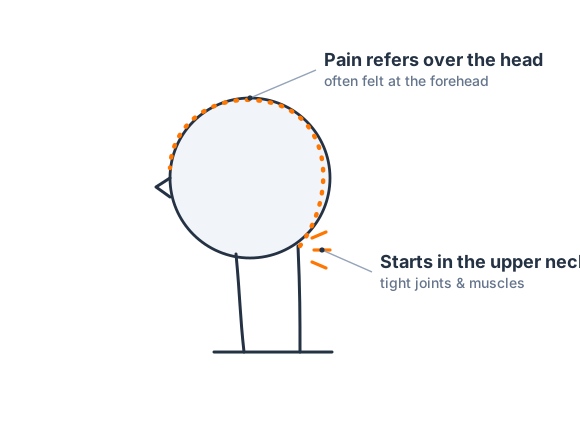
What It Feels Like
Tension headaches have a fairly recognizable signature:
- A dull, pressing, or tightening pain rather than a sharp or throbbing one
- Pressure that wraps around both sides of the head, often described as a band or a tight cap
- Tightness or soreness in the neck, shoulders, and the muscles at the base of the skull
- Pain that's usually mild to moderate — annoying and draining, but not disabling
- Little or no nausea, and usually only mild sensitivity to light or sound
That last point is a useful clue. When a headache comes with strong nausea, visual changes, or intense light and sound sensitivity, it leans more toward a migraine — you can compare the two in our migraine vs. headache guide.
What Causes Tension Headaches?
Tension headaches usually build from a mix of everyday drivers rather than a single cause. The most common contributors are:
- Poor posture, especially forward head posture from long hours on phones and laptops, which loads the neck and shoulder muscles
- Stress and mental strain, which quietly keep the jaw, neck, and shoulders clenched
- Prolonged desk and screen work without breaks — a common driver of everyday neck pain
- Poor sleep or an awkward sleeping position that leaves the neck strained
- Eye strain, skipped meals, and dehydration, which can each tip a tense day into a headache
Because so many of these overlap, tension headaches often flare on the busiest, most hunched-over days. For a fuller look at what sets headaches off in general, our guide to headache causes and triggers walks through the usual suspects.
How Your Neck Feeds the Cycle
Here's the part most people miss: your neck plays a much bigger role in tension headaches than the name suggests. The muscles at the base of your skull attach right where the head and neck meet, and when they stay tight — from posture, stress, or stiff neck joints — that tension refers up into the head as a band of pressure.
This is also where tension headaches blur into two neighboring problems. When the pain becomes clearly one-sided and starts at the base of the skull, it may be a cervicogenic headache — a headache that actually originates in the neck. And when the upper neck itself is stiff and sore, that upper neck pain and the headache tend to travel together. Sorting out how much the neck is contributing is a big part of finding lasting relief.
How Tension Headaches Are Evaluated at Thrive
Because so many headaches feel similar from the outside, the evaluation is what makes care effective rather than hit-or-miss. When you come in, Dr. Rubinstein starts with your history: where the pressure sits, whether it wraps around both sides, what your typical day and posture look like, how you're sleeping, and whether neck and shoulder tightness travel with the headache.
From there, the exam focuses on the neck, shoulders, and upper back:
- Muscle assessment — checking the muscles of the neck, shoulders, and base of the skull for the tightness and tender points that drive the band-like pressure
- Range-of-motion testing — seeing how far and how comfortably your neck turns and tilts, since stiff neck joints often accompany these headaches
- Posture check — looking at how far your head sits forward of your shoulders, a major contributor to sustained muscle load
- Screening for red flags — ruling out any signs that point to a headache needing urgent medical evaluation rather than chiropractic care
If anything in that screening suggests a different or more serious cause, a referral is arranged. The goal is a clear answer to a simple question — what's actually driving your headaches? — so care targets the real source instead of chasing the symptom.
What to Expect From Care at Thrive Chiropractic
At Thrive Chiropractic in Troy, MI, when tight muscles and stiff neck joints are feeding the headaches, care commonly includes:
- Soft-tissue and massage therapy to release tension across the neck, shoulders, and base of the skull
- Chiropractic adjustments to restore motion to stiff upper-neck joints, an area addressed through upper cervical care
- Posture and ergonomic coaching to reduce the daily strain feeding the tension
- A tailored plan based on what your exam reveals
The aim is to lower how often and how hard the headaches strike by calming the muscle tension and joint restriction behind them — not just to quiet the ache for a few hours. When posture and stress are major contributors, the hands-on care and the everyday changes work best together.
How to Ease and Prevent Them at Home
A few simple habits can take real pressure off the muscles that drive tension headaches:
- Raise your screens to eye level so you're not craning your head forward all day.
- Take posture breaks every 30 minutes or so — look up, roll your shoulders back, and gently draw your chin in.
- Loosen your jaw and shoulders — notice when you're clenching, and let your teeth rest slightly apart.
- Hydrate and eat regularly, since skipped meals and dehydration can tip a tense day into a headache.
- Protect your sleep with a supportive pillow that keeps your neck in a neutral line.
Because posture and stress are such common drivers, pairing these habits with a proper evaluation tends to give the most durable relief.
When to Seek Prompt or Emergency Care
Most tension headaches are a muscle-and-posture problem that responds well to care. But some headaches are warning signs of something serious, and those need urgent medical attention — not a chiropractic visit — regardless of what may have caused past headaches.
Short of an emergency, seek prompt medical evaluation for headaches that are new or clearly different from your usual pattern, that keep worsening, or that don't respond to your usual measures. For the everyday band-like pressure that travels with neck and shoulder tension, a chiropractic evaluation is a natural fit — you can schedule a visit here.
Frequently Asked Questions
The questions Dr. Rubinstein hears most about tension headaches — how to tell them from migraines, why desk work sets them off, and how the neck feeds them — are answered in the FAQ section on this page. If your situation isn't covered there, the team is glad to talk it through before you come in.
Headache & Migraine Relief Guide (PDF)A one-page take-home guide: steps that ease headaches and migraines, common triggers, and the warning signs that need a doctor.PDFThis article is for general education and is not a substitute for professional medical advice, diagnosis, or treatment. Always consult a qualified healthcare provider about your specific situation.
Frequently Asked Questions
How do I know if I have a tension headache?
A tension headache usually feels like a steady, dull band of pressure wrapping around the whole head, often with tightness in the neck and shoulders. It doesn't usually throb, and it's rarely paired with nausea or strong light sensitivity — those point more toward a migraine. If your headache is one-sided and starts at the base of the skull, it may instead be a cervicogenic headache coming from the neck.
Can a chiropractor help with tension headaches?
Often, yes. Because tight neck and upper-back muscles and stiff neck joints are common drivers, easing that muscle tension and restoring normal motion can lower how frequently and how intensely tension headaches strike. Dr. Rubinstein tailors care to what your exam reveals rather than treating every headache the same way.
Why do I get tension headaches at my desk?
Long hours at a screen tend to pull your head forward and keep the muscles at the base of your skull and across your shoulders working overtime. That sustained load is a classic setup for a tension headache. Raising your monitor, taking posture breaks, and easing the neck strain usually make a noticeable difference.
Are tension headaches the same as migraines?
No. Migraines are a neurological condition, often one-sided and throbbing, and can come with nausea or sensitivity to light and sound. Tension headaches are a dull, all-over pressure without those features. Some people get both, which is one reason a careful exam matters before deciding on care.
How long does it take to feel better?
Many people notice fewer or milder headaches within the first few weeks of care, though it depends on how long the muscle tension and posture patterns have been building. Because we're addressing the source rather than masking the pain, the goal is lasting relief, and Dr. Rubinstein will give you a realistic timeline after your exam.
Ready to get evaluated at Thrive Chiropractic?
Dr. Rubinstein will assess what’s really going on and build a care plan tailored to you. Reach out and we’ll get you scheduled.
2133 Crooks Road | Troy MI 48084