
Sinus Headaches: What They Really Are (and What They Often Aren't)
Sinus headaches are one of the most misunderstood headaches — a lot of what people call a sinus headache is actually a migraine in disguise. This guide explains the difference between a true sinus headache and a migraine that mimics sinus pain, when facial pressure means a sinus infection that needs a doctor, and how chiropractic care at Thrive Chiropractic in Troy, MI can help with the neck tension that often rides along.
What Is a Sinus Headache?
A sinus headache is head and face pain that comes from your sinuses — the air-filled spaces behind your forehead, cheeks, and the bridge of your nose. When those spaces become inflamed and congested, the pressure inside builds, and you feel it as a deep, dull ache across the front of your face and forehead.
A genuine sinus headache usually travels with clear sinus signs. You're stuffed up or running, there's often thick nasal discharge, the pressure sits over your cheeks and brow, and it tends to get worse when you bend forward or lie down. It fits into the broader family of headaches, but its defining feature is that it rides along with congestion — the head pain and the stuffy nose are part of the same story.
Here's the catch, though: sinus headaches are one of the most over-diagnosed headaches there is. A lot of what people confidently call a "sinus headache" turns out to be something else entirely.
The Big Mix-Up: Sinus Headache vs. Migraine
This is the part worth slowing down on, because it changes what actually helps. Migraines can cause facial pressure, a stuffy or runny nose, and forehead pain — the very symptoms most people associate with sinuses. When researchers have looked at people who were sure they had sinus headaches, a large share were actually experiencing migraines. So if your "sinus headaches" keep coming back but antibiotics and decongestants never really solve them, migraine is worth considering.
A few clues help tell them apart:
- A true sinus headache usually comes with obvious congestion — thick discharge, a blocked nose, and pressure that worsens when you lean forward.
- A migraine mimicking sinus pain more often brings a throbbing quality, tends to favor one side, and may include nausea or sensitivity to light and sound, even with some facial pressure and a runny nose.
Because the overlap is so large, sorting this out matters. Our migraine vs. headache guide walks through the distinction in more detail, and the migraine triggers page can help you spot patterns if a migraine turns out to be the real culprit.
When It's Actually a Sinus Infection
Sometimes facial pressure really is coming from the sinuses — and sometimes it's a sinus infection that needs medical treatment rather than anything chiropractic care can offer.
None of that means chiropractic care has no role — it just means the infection comes first. Once that's addressed, if head or neck pain is still hanging around, that part may well be something we can help with.
How the Neck Gets Involved
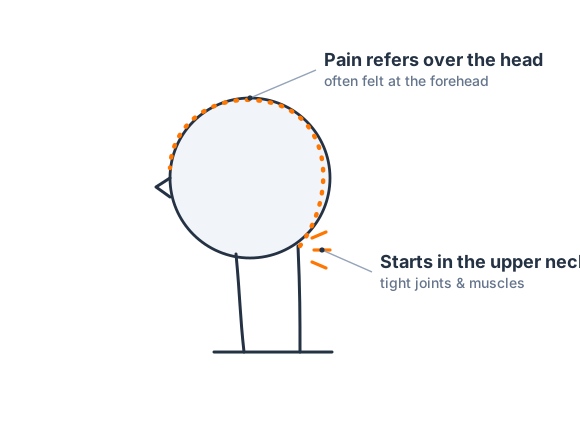
Even when the sinuses are part of the story, the neck often is too. Tension and stiffness in the upper neck can refer pain forward into the forehead and face in a pattern that feels a lot like sinus pressure — sometimes even when the sinuses themselves are clear.
That referral is the same mechanism behind a cervicogenic headache, where head pain actually originates in the neck. And when your upper neck is stiff and sore, that upper neck pain and your facial pressure can pile on top of one another, making the whole thing feel worse than either would alone. On top of that, a bout of congestion often has people hunched and tense, which tightens the neck and adds a tension headache to the mix. Untangling these layers is a big part of finding real relief.
How We Sort It Out at Thrive
Because "sinus headache" covers so many different things, the evaluation is really about figuring out what you're actually dealing with. When you come in, Dr. Rubinstein starts with your history: where the pressure sits, whether you have true congestion or discharge, whether bending forward makes it worse, and whether neck stiffness or throbbing, one-sided pain are part of the picture.
From there, the exam typically includes:
- A careful symptom review to separate genuine sinus features from migraine or neck-driven patterns
- Range-of-motion and muscle testing of the neck, since upper-neck tension can refer pain into the face
- Palpation of the upper neck and base of the skull to find the tension and restrictions that may be contributing
- Screening for red flags and for signs of infection that mean a medical evaluation should come first
The goal is a clear answer: is this truly a sinus problem, a migraine wearing a sinus costume, a neck-driven headache, or some combination — because each of those points to a different kind of help.
What to Expect From Care at Thrive Chiropractic
At Thrive Chiropractic in Troy, MI, chiropractic care isn't a treatment for a sinus infection — but when neck tension or a neck-driven headache is part of what's making you miserable, care may include:
- Soft-tissue and massage therapy to release tension across the neck, upper back, and base of the skull
- Gentle chiropractic adjustments to restore motion to stiff upper-neck joints, an area addressed through upper cervical care
- Posture guidance to reduce the neck strain that can mimic or add to sinus pressure
- A clear referral when the picture points to a sinus infection or another cause that needs medical care first
The honest scope here is important: we help with the neck and muscle tension riding alongside your symptoms, and we point you to the right provider when the sinuses themselves need medical attention.
How to Ease the Pressure at Home
While you sort out what's really going on, a few everyday steps can take the edge off:
- Stay hydrated and use steam — a warm shower or a bowl of steam can loosen congestion and ease pressure.
- Keep your head up, since bending forward increases sinus pressure when you're congested.
- Loosen your neck and shoulders with gentle movement, especially if you've been hunched and tense.
- Support your sleep with a supportive pillow and a slightly elevated head if congestion is keeping you up.
When to Seek Prompt or Emergency Care
Most sinus-type headaches are uncomfortable but not dangerous. Some headaches, though, are warning signs of something serious and need urgent medical attention — not a chiropractic visit — no matter what your past headaches have been like.
Short of an emergency, see your doctor for facial pressure with fever, thick discharge, or symptoms lasting past about ten days, since those suggest an infection. And for the head and neck tension that so often travels with sinus symptoms, a chiropractic evaluation is a reasonable next step — you can schedule a visit here.
Frequently Asked Questions
The questions Dr. Rubinstein hears most about sinus headaches — how to tell them from migraines, when facial pressure means an infection, and how the neck plays in — are answered in the FAQ section on this page. If your situation isn't covered there, the team is glad to talk it through before you come in.
Headache & Migraine Relief Guide (PDF)A one-page take-home guide: steps that ease headaches and migraines, common triggers, and the warning signs that need a doctor.PDFThis article is for general education and is not a substitute for professional medical advice, diagnosis, or treatment. Always consult a qualified healthcare provider about your specific situation.
Frequently Asked Questions
How do I know if my headache is really a sinus headache or a migraine?
A true sinus headache usually comes with clear sinus signs — a stuffy or runny nose, thick discharge, and facial pressure that worsens when you lean forward. A migraine can also cause facial pressure and a runny nose, but it more often brings a throbbing one-sided pain, nausea, or sensitivity to light and sound. Because they overlap so much, studies of people who thought they had sinus headaches have found many were actually experiencing migraines. When in doubt, it's worth having it evaluated.
Can a chiropractor treat a sinus headache?
A chiropractor doesn't treat a sinus infection — that needs medical care. But if your headache is being driven or worsened by tight neck and upper-back muscles, or by a neck problem mimicking sinus pressure, easing that tension and restoring neck motion can help. Dr. Rubinstein will first sort out what's actually driving your symptoms before recommending anything.
When should I see a doctor for sinus pain?
See a doctor if your facial pressure comes with a fever, thick or discolored nasal discharge, pain in your teeth or upper jaw, or symptoms that drag on past about ten days or keep coming back. Those patterns suggest a sinus infection that may need medical treatment rather than something chiropractic care addresses.
Why does my sinus headache feel worse when I bend over?
When your sinuses are congested and inflamed, leaning forward increases the pressure inside them, so the pain intensifies. That position-related pressure is one of the more reliable clues that congestion is genuinely involved, rather than a migraine mimicking sinus pain.
Can neck problems cause sinus-like headaches?
They can contribute. Tension and stiffness in the upper neck can refer pain into the face and forehead in a pattern that feels like sinus pressure, even when the sinuses themselves are clear. This is why a careful exam matters — it helps separate a neck-driven headache from a true sinus problem, and the two call for different care.
Ready to get evaluated at Thrive Chiropractic?
Dr. Rubinstein will assess what’s really going on and build a care plan tailored to you. Reach out and we’ll get you scheduled.
2133 Crooks Road | Troy MI 48084