
Rebound Headaches: When Pain Relievers Start Causing the Pain
Rebound headaches — also called medication-overuse headaches — happen when frequent use of pain relievers or migraine medications quietly starts driving the very headaches you're trying to treat. This guide explains the vicious cycle, why the fix is working with your provider to taper safely rather than reaching for more pills, and how chiropractic care at Thrive Chiropractic in Troy, MI can help address the root causes underneath.
What Are Rebound Headaches?
A rebound headache — the more formal name is medication-overuse headache — is a headache caused, oddly enough, by the very medications people take to relieve headaches. When over-the-counter pain relievers, combination painkillers, or migraine medications are used frequently over time, the relief they give can start to backfire, until the medication itself becomes part of what's keeping the headaches going.
It's a genuinely counterintuitive problem, and it's easy to fall into without realizing it. You start reaching for pain relief a little more often, the headaches seem to come a little more often, so you reach for relief again — and the pattern tightens. Because rebound headaches grow out of an existing headache problem, they sit within the wider world of headaches, but their cause is the treatment pattern rather than a single trigger. The good news is that this cycle can be broken — it just takes the right approach rather than more of the same.
The Vicious Cycle
The heart of a rebound headache is a loop, and seeing it clearly is the first step to getting out of it. It usually runs something like this:
- A headache shows up, so you take a pain reliever, and it helps for a while.
- As the medication wears off, the headache returns — sometimes a little sooner or a little stronger.
- You reach for another dose to head it off, and the body starts to expect it.
- Over weeks, the headaches grow more frequent, the medication days pile up, and a near-daily headache settles in.
Each step feels reasonable in the moment. That's exactly what makes rebound headaches so easy to stumble into — every individual dose is a sensible response to real pain. It's only when you step back and see the whole pattern that the loop becomes obvious.
Signs You Might Be Caught In It
A few patterns hint that medication overuse may be feeding your headaches:
- You're using pain relievers or migraine medications several days a week, month after month.
- Your headaches have become more frequent over time, not less, despite regular medication.
- You wake up with a headache that eases after your first dose, then returns later in the day.
- You feel like you can't skip your usual pain reliever without a headache moving in.
If that sounds familiar, it's worth taking seriously — not as a failing, but as a common and very fixable pattern. The next section explains why the fix runs opposite to your instincts.
Why the Fix Isn't More Medication
Here's the hard truth about rebound headaches: the thing that feels like the solution — taking something for the pain — is the thing sustaining the problem. And yet the answer isn't to grit your teeth and quit everything cold turkey on your own either, because stopping an overused medication abruptly can bring on a rough withdrawal stretch.
The real fix is a planned reset guided by your doctor or pharmacist: safely tapering or stopping the overused medication so the rebound cycle can settle. It takes some patience — things can feel worse for a stretch before they get better — but that supported taper is what genuinely breaks the loop, and it's far more comfortable and safer than trying to white-knuckle it alone.
How Addressing Root Causes Helps
Breaking the medication cycle is half the job. The other half is asking a simple question: what had you reaching for pain relief so often in the first place? Because if those original headache drivers are still there once the taper is done, the whole pattern can creep back.
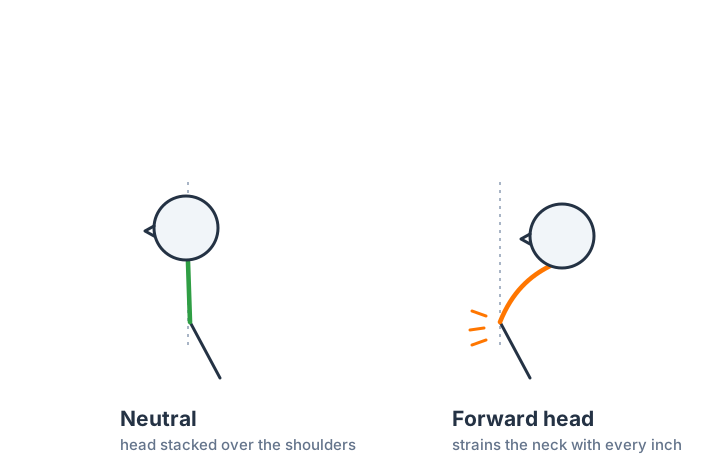
Very often, a good share of those original headaches trace back to the neck and posture. Tight neck and shoulder muscles, stiff upper-neck joints, and a head-forward posture from long hours at a screen are common engines behind tension headaches and cervicogenic headaches — the sort of frequent, nagging head pain that has people leaning on pain relievers in the first place. And when the upper neck itself is stiff and sore, that upper neck pain tends to feed the headaches right along with it. Easing those root causes lowers how often the headaches show up at all, which is what makes the reset stick.
What to Expect From Care at Thrive Chiropractic
At Thrive Chiropractic in Troy, MI, our role sits firmly alongside your provider's, not in place of it — they guide the medication taper, and we work on the underlying headache drivers. After understanding your history and headache pattern, Dr. Rubinstein may recommend:
- Soft-tissue and massage therapy to release the tight neck and shoulder muscles that fuel frequent headaches
- Gentle chiropractic adjustments to restore motion to stiff upper-neck joints, an area addressed through upper cervical care
- Posture and ergonomic coaching to take the daily strain off your neck
- A tailored plan that complements the reset your prescriber is guiding
The point is to reduce your headaches at their source so you rely on medication far less — which is exactly what makes breaking the rebound cycle last.
Breaking the Cycle Day to Day
Alongside your provider's plan, a few habits support the reset:
- Loop in your doctor or pharmacist before changing how you take any medication, so the taper is planned and safe.
- Track your medication days honestly — seeing the real count is often the wake-up moment.
- Ease neck and shoulder tension with gentle movement, posture breaks, and supportive care.
- Tend to the basics — steady hydration, regular meals, and consistent sleep all reduce headache frequency.
When to Seek Prompt or Emergency Care
Breaking a rebound cycle is best done with professional guidance, and most of the process is uncomfortable rather than dangerous. But some headaches are warning signs of something serious and need urgent medical attention right away — not a chiropractic visit — regardless of your usual pattern. The red-flag guidance above applies here too.
Short of an emergency, reach out to your doctor or pharmacist if you're finding yourself using pain relief several days a week, if your headaches keep worsening, or if a taper feels too rough to manage alone. And for the neck tension and posture problems underneath the original headaches, a chiropractic evaluation is a natural part of the reset — you can schedule a visit here.
Frequently Asked Questions
The questions Dr. Rubinstein hears most about rebound headaches — how the cycle takes hold, why the fix isn't more medication, and how addressing root causes helps — are answered in the FAQ section on this page. If your situation isn't covered there, the team is glad to talk it through before you come in.
Headache & Migraine Relief Guide (PDF)A one-page take-home guide: steps that ease headaches and migraines, common triggers, and the warning signs that need a doctor.PDFThis article is for general education and is not a substitute for professional medical advice, diagnosis, or treatment. Always consult a qualified healthcare provider about your specific situation.
Frequently Asked Questions
What is a rebound headache?
A rebound headache — also called a medication-overuse headache — is a headache that develops from taking pain relievers or migraine medications too often. Over time, frequent use can flip the medication's effect, so instead of relieving your headaches it starts to sustain them. The pattern often shows up as a near-daily headache in someone who's leaning on pain relief several days a week.
How do I break the cycle of rebound headaches?
The key is working with your doctor or pharmacist to taper or stop the overused medication safely — not simply pushing through with more of it, and not quitting abruptly on your own, which can trigger a rough withdrawal period. At the same time, addressing what set off the original headaches, such as neck tension or posture, helps reduce your reliance on medication going forward. It's a reset that works best with professional guidance.
Can a chiropractor help with rebound headaches?
Chiropractic care doesn't manage the medication side of things — that's your prescriber's role. But it can help address the underlying headache drivers, like neck stiffness, tight muscles, and forward posture, that had you reaching for pain relief in the first place. Easing those root causes can make the overall reset more successful when done alongside your provider's plan.
How often is too often to take headache medication?
As a general guide, regularly using pain relievers or migraine medications more than a couple of days a week over the long term can set the stage for rebound headaches. But the safest limit depends on the specific medication and your health, so if you're finding yourself reaching for relief frequently, that's the moment to talk with your doctor or pharmacist rather than sort it out alone.
Will my headaches get worse before they get better?
Sometimes, yes. As the overused medication is reduced, many people go through a stretch where headaches temporarily worsen before improving — which is exactly why doing this with your provider's guidance matters, so the taper is planned and supported. Addressing the root causes at the same time helps set up more lasting relief on the other side of that reset.
Ready to get evaluated at Thrive Chiropractic?
Dr. Rubinstein will assess what’s really going on and build a care plan tailored to you. Reach out and we’ll get you scheduled.
2133 Crooks Road | Troy MI 48084