
What Causes Headaches & Common Triggers
Headaches fall into two broad groups — primary headaches like tension and migraine, and secondary headaches caused by something else. This guide walks through the everyday triggers behind most headaches (stress, posture, sleep, dehydration, skipped meals, hormones, weather, and more), explains how the neck quietly contributes, and shows how Dr. Rubinstein at Thrive Chiropractic in Troy, MI looks for the real source.
Primary vs. Secondary Headaches
Almost every headache falls into one of two families, and knowing which one you're dealing with is the first step toward getting relief. A primary headache is a condition in its own right — the headache is the problem, not a warning sign of some other illness. Tension headaches and migraines are the two most common primary headaches, and between them they account for the large majority of the head pain people experience day to day.
A secondary headache, by contrast, is a symptom of something else. A sinus headache tied to congestion, a headache from a cold or fever, or a rebound headache from overusing pain medication are all secondary — they clear up when the underlying cause is dealt with. Most secondary headaches are harmless and short-lived, but a small number signal something that needs prompt medical care, which is why the warning signs later on this page are worth knowing. For the everyday, recurring kind, the real question is usually what keeps setting them off — and that's where triggers come in.
The Most Common Headache Triggers
A trigger is anything that tips your system toward a headache. Most people have several, and they tend to pile up on the days a headache actually lands. The usual suspects are:
- Stress and muscle tension. Emotional stress tightens the muscles of the neck, shoulders, and scalp, and that sustained tension is one of the most common ways a headache gets started.
- Posture and screens. Hours spent hunched over a laptop or looking down at a phone load the upper neck and shoulders — a pattern behind a great many desk-worker headaches.
- Sleep. Both too little sleep and irregular sleep can bring on headaches, and poor sleep positions add neck strain on top of that.
- Dehydration. Not drinking enough through the day is a surprisingly frequent and very fixable trigger.
- Skipped or delayed meals. Going too long without eating can drop your blood sugar and set off a headache, especially if you're already run down.
- Hormonal shifts. Changes across the menstrual cycle are a well-recognized trigger for many people, closely tied to migraine triggers.
- Caffeine changes. Both a sudden extra dose and skipping your usual cup can provoke a headache.
- Weather and pressure swings. Shifts in barometric pressure, bright sun, or sharp temperature changes trigger headaches in some people.
How Your Neck Contributes to Headaches
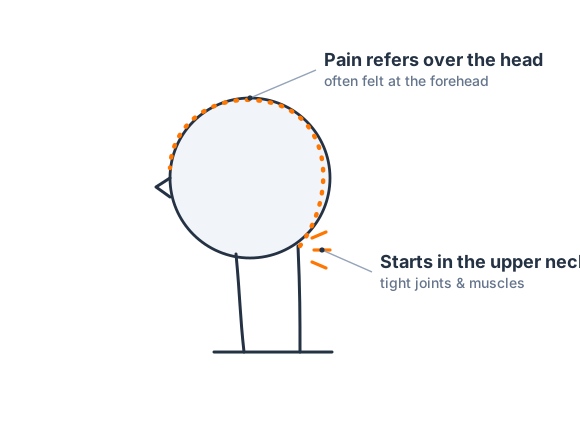
Of all the triggers on that list, the neck is the one people most often overlook — because the pain is felt in the head, it rarely occurs to anyone that the trouble started lower down. But the nerves at the very top of your neck share a relay station in the brainstem with the nerves of your forehead, temple, and scalp. When the upper-neck joints stiffen or the surrounding muscles stay tight, that irritation can be interpreted by your brain as head pain. When the neck is the primary source, this is called a cervicogenic headache.
This connection matters because so many modern triggers act through the neck. Forward head posture at a desk, long stretches looking down at a phone, stress that settles into the shoulders, and awkward sleep positions all load the same region. That's why a headache that seems purely "in your head" can ease considerably once the upper neck starts moving and relaxing the way it should — and why posture and screen habits show up again and again as practical levers for fewer headaches.
Finding Your Personal Trigger Pattern
Because triggers stack and overlap, the most useful thing you can do is figure out your particular combination. A simple headache log does this better than trying to remember after the fact. For a few weeks, jot down when each headache starts and what the hours beforehand looked like — how you slept, when you last ate and drank, your stress level, how much screen time and desk time you logged, and what the weather was doing.
Patterns almost always surface. You might find your headaches cluster on poor-sleep days, or after long stretches at the computer, or in the days before your period. Once you can see the pattern, you're no longer guessing — you can start removing the triggers within your control and plan around the ones that aren't.
Everyday Habits That Reduce Headaches
Whatever your specific triggers turn out to be, a handful of steady habits take pressure off the whole system:
- Hydrate on a schedule. Keep water within reach and sip through the day rather than catching up at night.
- Eat at regular intervals. Don't let too many hours pass between meals, especially on busy days.
- Protect your sleep. Aim for consistent hours and a supportive pillow that keeps your neck in a neutral line.
- Raise your screens and take posture breaks. Bring monitors to eye level, keep your phone up, and every 30 minutes or so look up, roll your shoulders back, and gently draw your chin in.
- Move and unload tension. Gentle daily movement and stretching keep the neck, shoulders, and upper back from tightening into a headache.
None of these is dramatic on its own, but together they keep you further from the threshold where a headache tips over — and they matter most on the days when several triggers are already lining up.
How Thrive Chiropractic Helps
When headaches keep returning, part of the value of a visit is simply sorting out what's driving them. At Thrive Chiropractic in Troy, MI, Dr. Rubinstein starts with your history and a focused exam — where the pain sits, what precedes it, and how your neck and posture factor in — to see whether a neck component is feeding the pattern. When it is, care commonly includes:
- Gentle chiropractic adjustments through upper cervical care to restore motion to stiff upper-neck joints
- Soft-tissue and massage therapy to release tension at the base of the skull and across the upper back
- Posture and ergonomic coaching to take the daily strain off your neck
Chiropractic care can't switch off every trigger — it won't change the weather or your hormones — but for the large share of headaches with a neck and posture component, addressing that source often reduces how often and how hard the headaches hit. A chiropractic evaluation for headaches walks through what that looks like in more detail.
When a Headache Needs Medical Attention
Most headaches are unpleasant but not dangerous. A few, though, are the body's way of signaling something serious, and those need prompt medical care rather than a wait-and-see approach — no matter what your usual headaches have been like.
Short of an emergency, it's worth booking a medical or chiropractic evaluation for headaches that keep coming back, disrupt your sleep or work, or don't ease with the usual measures. If your recurring headaches travel with neck stiffness or flare with posture and screen time, a chiropractic assessment is a natural fit — you can schedule a visit here.
Frequently Asked Questions
The questions Dr. Rubinstein hears most about headache causes and triggers — how primary and secondary headaches differ, which triggers matter most, and how the neck fits in — are answered in the FAQ section on this page. If your situation isn't covered there, the team is glad to talk it through before you come in.
Headache & Migraine Relief Guide (PDF)A one-page take-home guide: steps that ease headaches and migraines, common triggers, and the warning signs that need a doctor.PDFThis article is for general education and is not a substitute for professional medical advice, diagnosis, or treatment. Always consult a qualified healthcare provider about your specific situation.
Frequently Asked Questions
What is the difference between a primary and a secondary headache?
A primary headache — such as a tension headache or migraine — is a condition in its own right, where the headache is the main problem. A secondary headache is a symptom of something else, like a sinus infection, medication overuse, or an injury. Most headaches people deal with day to day are primary, but the distinction matters because secondary headaches sometimes point to a cause that needs its own treatment.
What are the most common headache triggers?
Stress and muscle tension top the list, followed by poor posture and long hours on screens, disrupted or too little sleep, dehydration, skipped or delayed meals, hormonal shifts, caffeine changes, and weather or pressure swings. Most people have a handful of personal triggers rather than just one, and they often stack up on the days a headache strikes.
Can my neck really cause headaches?
Yes. The nerves at the top of your neck share pathways with the nerves of your face and scalp, so when the upper-neck joints and muscles get stiff or irritated, that tension can be felt as head pain. This is common with forward head posture from desk and phone use, and it's often overlooked because the ache is felt in the head rather than the neck.
How can I figure out what is triggering my headaches?
Keeping a simple log for a few weeks helps a lot. Note when each headache starts and what the hours before looked like — your sleep, meals, stress, screen time, posture, and the weather. Patterns tend to surface, and once you can see your personal triggers, you can start removing the ones within your control.
When should I see someone about my headaches?
It's worth getting evaluated when headaches keep returning, interfere with your work or sleep, or don't respond to the usual measures. Any headache that is sudden and severe, comes with fever and a stiff neck, brings new neurological symptoms, follows a head injury, or is a brand-new pattern after age 50 needs prompt medical attention rather than watchful waiting.
Ready to get evaluated at Thrive Chiropractic?
Dr. Rubinstein will assess what’s really going on and build a care plan tailored to you. Reach out and we’ll get you scheduled.
2133 Crooks Road | Troy MI 48084