
Chiropractic for Headaches
Many headaches have a neck-driven component that responds well to gentle chiropractic care. This guide explains how upper-neck and soft-tissue care can ease the neck contribution to headaches, what a visit at Thrive Chiropractic in Troy, MI actually looks like, and where the honest limits are — what chiropractic helps, and when it coordinates with medical care instead.
How Chiropractic Care Can Help Headaches
If you've tried resting, hydrating, and reaching for the usual remedies and your headaches keep coming back, there's a good chance something structural is feeding them — and that's where chiropractic care fits. A large share of the everyday headaches people live with have a neck-and-posture component: stiff upper-neck joints and tight surrounding muscles quietly generating head pain that no amount of medication fully settles, because the medication never touches the source.
Chiropractic care approaches headaches from that angle. Rather than masking the pain, the goal is to find and address what's producing it — most often, for the headaches that respond well to this care, the neck. When the upper neck moves and relaxes the way it should, the headaches it was feeding often ease in step. This makes chiropractic a natural fit for the many headaches tied to desk work, phone use, stress, and posture, and it sits alongside the broader world of headaches, which has many possible causes.
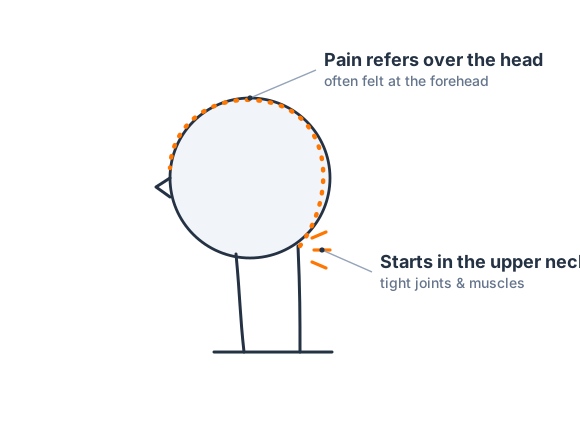
The Neck-Driven Component of Headaches
To understand why chiropractic care helps, it's worth seeing how the neck produces head pain. The nerves at the very top of your neck feed into a shared relay station in the brainstem — the same station that handles sensation from your forehead, temple, and the area around your eye. When an irritated upper-neck joint or a tight muscle pours signals into that shared relay, your brain can't always tell exactly where they started, so it refers the pain forward into the head. When the neck is the main source, this is called a cervicogenic headache.
This is why so many modern headaches trace back to the neck without anyone realizing it. Forward head posture at a screen, hours spent looking down at a phone, and stress that settles into the shoulders all load the upper neck — and the resulting head pain is felt up top, far from where it began. Restoring normal motion to that region takes the irritation out of the relay, which is the mechanism behind the relief chiropractic care can offer.
What to Expect at Your First Visit
A first visit is mostly about understanding your headaches before anyone recommends care. At Thrive Chiropractic in Troy, MI, Dr. Rubinstein starts with a detailed history — where your headaches sit, which side they favor, what tends to bring them on, how they relate to your posture and your day, and whether neck stiffness travels with them.
From there, the exam focuses on the upper neck and includes:
- Range-of-motion testing to see how far and how comfortably your neck turns and tilts, since neck-driven headaches usually come with restricted motion
- Gentle palpation of the upper-cervical joints and the muscles at the base of the skull, locating the specific restrictions and tender points that tend to drive the referral
- A posture check, since forward head posture is such a common contributor
- A screen for red flags — ruling out any sign that points to a headache needing urgent medical care rather than chiropractic care
The aim of that first visit is a clear answer to a simple question — is your neck driving these headaches? — so care can target the real source instead of chasing the symptom.
The Techniques We Use
When the exam confirms a neck component, care is shaped around gentle, specific methods rather than force — the upper neck is a precise, sensitive area, and our upper cervical care is built for it. Your plan may combine:
- Focused chiropractic adjustments to restore motion to stiff upper-neck joints, taking the irritation out of the pain referral
- Soft-tissue and massage therapy to release the tension at the base of the skull and across the upper back that feeds the headaches
- Posture and ergonomic coaching to reduce the daily strain driving the pattern — the kind of corrective changes that keep relief from unraveling
Every plan is tailored to what your exam reveals and how long the problem has been building. The consistent thread is addressing the source of the head pain rather than quieting the symptom for a few hours.
Honest Scope — What Chiropractic Helps and What It Doesn't
It's only fair to be clear about where chiropractic care fits, because no single approach helps every headache. Chiropractic care addresses the neck-and-posture portion of your headaches — which, for the many people whose head pain is driven or worsened by the neck, is a meaningful and sometimes decisive share.
But some headaches have drivers that live outside the neck:
- Migraine is a neurological condition with its own triggers and treatments; the neck can contribute, but care usually coordinates with medical management. Our migraine relief and prevention resource covers that side in more depth.
- Rebound (medication-overuse) headaches stem from frequent pain-reliever use and need that cycle broken under a physician's guidance — see rebound headaches.
- Secondary headaches from infection, injury, or other medical causes need the underlying issue treated first.
When those factors are in play, Dr. Rubinstein coordinates with your physician rather than pretending chiropractic can do it all. The honest promise is this: for the headaches with a neck component, this care often helps a great deal; for the ones that don't, we help you get to the care that will. If you're weighing whether it's a fit, the headache warning signs guide and a first-visit exam together make that clear.
Getting the Most From Your Care
A few habits make chiropractic headache care work better and last longer:
- Keep up the posture changes between visits — raise your screens, keep your phone up, and take frequent breaks to reset your neck.
- Track your headaches. A simple log of when they hit and what preceded them helps gauge progress and spot triggers worth removing.
- Support your neck at night with a pillow that keeps your head in a neutral line.
- Stay ahead on the basics — steady sleep, regular meals, and enough water keep you further from the threshold where headaches tip over.
For the fuller trigger picture, the headache causes and triggers guide breaks the common ones down one by one.
When to Seek Prompt or Emergency Care
Most headaches suited to chiropractic care are a mechanical, neck-driven problem. But some headaches are warning signs of something serious and need urgent medical attention — not a chiropractic visit — regardless of what has caused past headaches.
Short of an emergency, a chiropractic evaluation is a natural fit for the recurring, everyday headaches that flare with neck positions, posture, and screen time and travel with neck stiffness. When you're ready, you can schedule a visit here and Dr. Rubinstein will start with the careful exam this deserves.
Frequently Asked Questions
The questions Dr. Rubinstein hears most about chiropractic headache care — whether it really helps, what a visit involves, how gentle it is, and where its limits are — are answered in the FAQ section on this page. If your situation isn't covered there, the team is glad to talk it through before you come in.
Headache & Migraine Relief Guide (PDF)A one-page take-home guide: steps that ease headaches and migraines, common triggers, and the warning signs that need a doctor.PDFThis article is for general education and is not a substitute for professional medical advice, diagnosis, or treatment. Always consult a qualified healthcare provider about your specific situation.
Frequently Asked Questions
Can a chiropractor actually help with headaches?
Yes, for the headaches that have a neck and posture component — which is a large share of the everyday headaches people deal with. When stiff upper-neck joints and tight surrounding muscles are feeding your head pain, restoring motion to those joints and releasing the tension often reduces how often and how hard the headaches strike. Dr. Rubinstein starts with an exam to confirm the neck is involved before recommending care.
What does chiropractic headache care actually involve?
It centers on gentle, specific adjustments to restore normal movement to the upper-neck joints, combined with soft-tissue and massage work to release the muscles at the base of the skull and across the upper back. Posture and ergonomic coaching usually rounds it out, since forward head posture is such a common driver. The aim is to address the source of the head pain rather than just quiet it for a few hours.
Is chiropractic care for headaches gentle?
The upper neck is a sensitive, precise area, so our upper cervical care is built around gentle, specific techniques rather than force. Dr. Rubinstein begins with a thorough exam to understand exactly how your neck is moving and tailors the approach to what your neck needs. If you have concerns about a particular technique, say so — care is always adapted to your comfort.
How many visits will I need before I notice a difference?
Many people notice some improvement within the first few weeks, though it depends on how long the neck problem has been building and what else is driving the headaches. Because the goal is to address the source rather than mask the pain, Dr. Rubinstein will give you a realistic timeline after your exam rather than a one-size-fits-all number.
What if chiropractic doesn't fully resolve my headaches?
That's an honest possibility, because some headaches have drivers beyond the neck — neurological, hormonal, or a rebound cycle from medication overuse. Chiropractic addresses the neck-and-posture portion, which is often meaningful but not always the whole story. When other factors are in play, Dr. Rubinstein coordinates with your physician so you're getting the right care from the right place rather than being left to figure it out alone.
Ready to get evaluated at Thrive Chiropractic?
Dr. Rubinstein will assess what’s really going on and build a care plan tailored to you. Reach out and we’ll get you scheduled.
2133 Crooks Road | Troy MI 48084