
Tailbone Pain (Coccydynia): Causes, Symptoms & How Chiropractic Helps
Tailbone pain — coccydynia — is discomfort right at the very bottom of the spine, usually from a fall, from childbirth, or from prolonged sitting on a hard surface. It's often self-limiting and very manageable. Here's what's happening at the coccyx, what causes it, the red flags that need urgent care, and how conservative chiropractic care at Thrive Chiropractic in Troy, MI helps ease it.
What Is Tailbone Pain (Coccydynia)?
Tailbone pain — known medically as coccydynia — is pain felt right at the very bottom of your spine, at the small, triangular bone called the coccyx. It's the kind of pain that makes sitting the enemy: sharp or aching discomfort right where you'd land in a chair, often worse the moment you sit down, lean back, or push up to stand again.
The reassuring headline is that coccydynia is usually a benign, self-limiting problem. Most cases follow something identifiable — a fall onto the buttocks, childbirth, or long hours sitting on a hard surface — and the great majority settle over weeks to a few months with simple measures. It can certainly be nagging and genuinely uncomfortable, especially because it's hard to avoid sitting, but it's rarely a sign of anything serious. Care is mostly about taking pressure off the sore area and helping the surrounding tissues calm down while it heals.
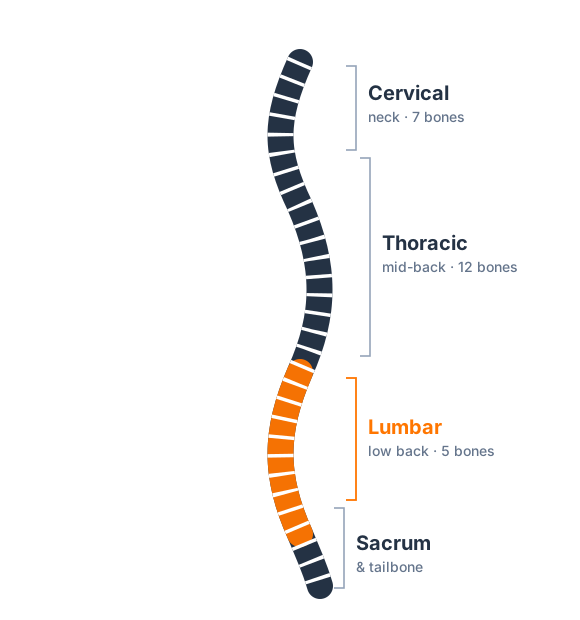
What's Happening at Your Tailbone
To understand coccydynia, picture the very end of your spine. Below the sacrum — the broad, triangular bone at the base of the spine — sits the coccyx, a small stack of tiny fused (or nearly fused) bones that forms the actual "tailbone." It's connected to the sacrum by a small joint and surrounded by ligaments and the muscles of the pelvic floor. When you sit, especially leaning back, the coccyx bears part of your weight — which is exactly why irritation here shows up so relentlessly with sitting.
Pain arises when that small area is bruised, strained, or irritated:
- A direct blow or fall can bruise the coccyx, strain its joint and ligaments, or, less often, fracture it — landing hard on the buttocks is the classic trigger.
- Childbirth can bruise or strain the coccyx as the baby passes, particularly with the ligament loosening that pregnancy brings.
- Prolonged pressure from sitting on hard surfaces, or sitting for long stretches leaning onto the tailbone, keeps the area loaded and irritated.
- The surrounding muscles guard. The pelvic-floor and buttock muscles around the coccyx tighten protectively, which can add its own aching and keep the area sensitive.
Because the coccyx sits so close to the pelvis and buttock, coccydynia sometimes travels or blurs with nearby sources of pain — the pelvis and sacroiliac joint just above it, or the tight buttock muscles of piriformis syndrome. Sorting out that the coccyx itself is the sore spot is part of a good exam.
What Causes Tailbone Pain?
Coccydynia almost always traces back to something that bruised, strained, or kept pressure on the coccyx. The most common causes are:
- A fall onto the buttocks — slipping on ice or stairs and landing hard is the textbook cause, bruising or straining the coccyx
- Childbirth, where the pressure of delivery and loosened pelvic ligaments can leave the tailbone irritated
- Prolonged sitting, especially on hard surfaces or leaning back onto the tailbone for long stretches — a very common contributor for desk workers and long commuters
- Repetitive pressure from activities like cycling or rowing that load the area
- The muscle guarding that builds up around an irritated coccyx and prolongs the discomfort
Sometimes there's no single dramatic event — just gradual irritation from how and how long you sit. And sometimes the exact trigger stays unclear, which is common with coccydynia and doesn't change the generally reassuring outlook.
Common Symptoms
Tailbone pain has a pretty recognizable signature centered on that one small spot:
- Localized pain right at the tailbone, at the very bottom of the spine between the buttocks
- Pain that's worse when sitting, particularly on hard surfaces or when leaning back, and often worst when going from sitting to standing
- Tenderness when the area is touched or pressed
- Relief when standing or walking, and often when sitting leaning slightly forward to keep weight off the tip of the coccyx
- Sometimes discomfort with bowel movements or other activities that put pressure on the area
- A dull, lingering ache between the sharper flares
Most coccydynia stays right at the tailbone and eases as the area settles. Pain that spreads well beyond the tailbone, or that comes with numbness, tingling, or leg weakness, is worth mentioning, since it points beyond a simple sore coccyx toward the nerves — the situations the red-flag box below addresses.
Who's Most at Risk?
Tailbone pain can happen to anyone who takes a hard landing, but it's more common in:
- People who've had a fall onto the buttocks, especially on stairs or ice
- Women during and after pregnancy, from the pressure of childbirth and the ligament loosening pregnancy brings — our pregnancy care approach keeps this gentle and postpartum-appropriate
- People who sit for long hours, particularly on hard surfaces — desk workers, long-haul drivers, and students
- Cyclists and rowers, from repetitive pressure on the area
- Women more often than men overall, in part because of pelvic anatomy and childbirth
Often it's a combination — a tailbone bruised by a fall that then can't settle because sitting keeps loading it, for instance. Recognizing which factors apply to you helps target the simple changes that make the biggest difference.
How Tailbone Pain Is Evaluated
A good evaluation is mostly about confirming that the coccyx is the source, ruling out the less common causes that need a different path, and matching simple care to your situation. At Thrive Chiropractic, Dr. Rubinstein starts with a focused history — whether there was a fall, a recent childbirth, or a lot of hard-surface sitting; where exactly it hurts; and what makes it better or worse.
The physical exam typically includes:
- Localizing the tenderness to the coccyx to confirm it's the source rather than the pelvis or buttock muscles nearby
- Checking the pelvis, sacrum, and surrounding muscles for stiffness, guarding, or related irritation
- Assessing how sitting and positional changes reproduce or relieve your pain
- A neurological screen if there's any numbness, tingling, or leg symptom, to be sure a nerve isn't involved
Imaging isn't usually needed. Most coccydynia is diagnosed and managed on the history and exam alone. Imaging is reserved for specific reasons — a significant fall where a fracture is a concern, signs that might suggest infection, or pain that isn't improving as expected. If one of those situations applies, Dr. Rubinstein will arrange the right imaging or referral rather than continue hands-on care alone.
What to Expect at Thrive Chiropractic
At Thrive Chiropractic in Troy, MI, care for tailbone pain is conservative and gentle — the goal is to ease the pain and guarding, restore comfortable motion to the pelvis and low back, and get pressure off the sore coccyx while it heals. Care often includes:
- Gentle soft-tissue and massage therapy to release the tight, guarding pelvic-floor and buttock muscles that build up around an irritated tailbone
- Gentle mobilization or adjustment of the surrounding joints — the sacrum, pelvis, and lower back — to restore comfortable motion and take strain off the area, using a light touch appropriate to a tender region
- Cushioning and sitting coaching — how to offload the coccyx with a wedge or U-shaped cushion, sit leaning slightly forward, and break up long sitting
- The Webster technique for pregnant patients — a gentle, pregnancy-specific approach focused on pelvic balance and comfort
- Custom orthotics where posture or pelvic loading is part of the picture
- Activity guidance to ease off the movements keeping the area irritated while it settles
The plan is honest and reassuring: most coccydynia is self-limiting and improves over weeks to a few months, and care is largely about making that stretch more comfortable and keeping the area from staying flared up. You'll get a specific sense of your outlook after the exam. If your pain follows a hard injury, comes with signs that suggest something beyond a sore coccyx, or isn't settling as it should, Dr. Rubinstein will say so plainly and coordinate the right medical referral.
Caring for Your Tailbone at Home
A few simple changes tend to make the biggest difference with tailbone pain — because so much of the fix is just getting weight off the sore spot.
A few more habits worth building in:
- Keep moving. Standing and walking usually feel better than sitting; staying gently active keeps the whole area from stiffening while the coccyx settles.
- Ease off repetitive pressure. Take a break from cycling, rowing, or other activities that load the tailbone until it calms down.
- Set up your workspace so you're not sitting for long unbroken stretches on a hard seat — the ergonomic principles that help with lower back pain apply here too.
- After childbirth, be patient and gentle. Postpartum tailbone pain usually settles with time, cushioning, and gentle care.
If your pain isn't easing over a reasonable stretch, keeps you from daily activities, or starts coming with numbness or leg symptoms, treat that as a signal to be evaluated rather than waited out.
When to See a Chiropractor
Occasional soreness after a hard landing that fades over a few days is normal. It's worth getting evaluated when tailbone pain lingers beyond a couple of months, keeps you from sitting or daily activities, or isn't improving the way a simple bruise should. Getting ahead of it gives conservative care the best chance to settle the area and helps rule out the less common causes that need a different approach.
A small set of symptoms, though, are true emergencies — they point to pressure on the nerves at the base of the spine and should never be waited out.
Short of those emergencies, tailbone pain that won't settle — or that comes with new numbness or leg symptoms — is a good reason to be seen sooner rather than later. When you're ready, you can schedule a visit with Dr. Rubinstein for a focused exam and a plan to get you comfortable again.
Frequently Asked Questions
Tailbone pain raises a lot of understandable questions — how long it usually lasts, whether a chiropractor can help, why it happens after childbirth, the best way to sit with it, and when it's worth worrying about. Those are answered in detail in the FAQ section on this page.
If sitting has become uncomfortable and you want a clear picture of what's going on, schedule a visit with Dr. Rubinstein at Thrive Chiropractic in Troy, MI. You'll get a focused exam, an honest read on what's irritating your tailbone, and a conservative plan aimed at relieving the pain and getting you comfortably back to your day. You can also explore the wider Back Pain library for related topics like sacroiliac joint pain and lower back pain.
Back Pain Relief Guide (PDF)A one-page take-home guide: simple steps that help now, what's usually behind back pain, and the warning signs that mean it's time to see a doctor.PDFThis article is for general education and is not a substitute for professional medical advice, diagnosis, or treatment. Always consult a qualified healthcare provider about your specific situation.
Frequently Asked Questions
How long does tailbone pain usually last?
Most tailbone pain is self-limiting and settles over a few weeks to a couple of months, especially once you take pressure off the area with cushioning and smarter sitting habits. Some cases linger longer, particularly after a significant injury or when sitting can't be avoided. If yours isn't improving as expected, an evaluation helps confirm what's involved and keeps recovery on track.
Can a chiropractor help with tailbone pain?
Yes — chiropractic care is a reasonable conservative approach for coccydynia. The focus is on easing the pain and the protective muscle guarding around the coccyx and pelvis, restoring comfortable motion to the surrounding joints, and coaching the cushioning and sitting habits that let the area settle. Dr. Rubinstein keeps the approach gentle and matched to your exam, and coordinates a referral if anything points beyond conservative care.
Why does my tailbone hurt after having a baby?
Childbirth is one of the most common causes of coccydynia. The pressure of delivery, and the loosening of the pelvic ligaments that pregnancy brings, can leave the coccyx bruised, strained, or irritated. It's usually self-limiting and settles over weeks to months, and gentle, pregnancy- and postpartum-appropriate care — along with cushioning — can make that stretch more comfortable.
What's the best way to sit with tailbone pain?
The goal is to keep weight off the tip of the coccyx. A wedge or U-shaped (sometimes called doughnut) cushion that offloads the tailbone helps a lot, as does sitting leaning slightly forward rather than reclined onto the tailbone, and getting up to move regularly instead of sitting for long unbroken stretches. Small changes to how and how long you sit often make a real difference.
When should I worry about tailbone pain?
Most tailbone pain is benign and self-limiting. Seek prompt care, though, if it follows a hard fall or injury, if it comes with fever or swelling that could suggest infection, or if it's accompanied by numbness in the groin or buttock area, loss of bladder or bowel control, or new leg weakness — those last few are emergencies. Short of that, pain that lingers beyond a couple of months or keeps you from daily activities is worth having evaluated.
Ready to get evaluated at Thrive Chiropractic?
Dr. Rubinstein will assess what’s really going on and build a care plan tailored to you. Reach out and we’ll get you scheduled.
2133 Crooks Road | Troy MI 48084