
Morning Back Stiffness: Why It Happens & When to Worry
Waking up with a stiff, achy back that loosens once you get moving is one of the most common back complaints there is. Here's why your back stiffens overnight, what the pattern usually points to, the one timing detail worth a medical check, and how chiropractic care at Thrive Chiropractic in Troy, MI helps you start the day comfortable.
What Is Morning Back Stiffness?
Morning back stiffness is the tight, achy, hard-to-get-going feeling in your back when you first wake up — the sense that your lower back needs to be "cracked" or coaxed loose before it moves normally. For most people it's worst in the first minutes after getting out of bed and then fades as the day gets underway. That last part matters: a back that loosens up once you're moving is following a very common, and usually reassuring, mechanical pattern.
Your spine spends the night doing something it never does during the day — holding one position for hours with no chance to shift, stretch, or reset. Combine that stillness with a few normal overnight changes inside the spine itself, and it's no surprise that the first movements of the morning feel stiff. In the great majority of cases this is ordinary and not a sign of anything sinister. The purpose of this guide is to explain why it happens, spell out the one timing detail that's worth a medical check, and point you to the right in-depth page if a specific cause is behind it.
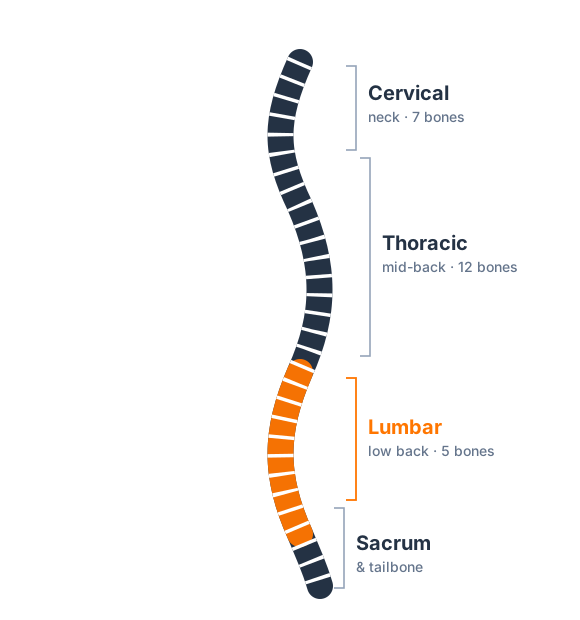
Why Your Back Stiffens Overnight
Two things happen while you sleep that together explain the stiff-on-waking feeling.
- Your discs rehydrate and swell. The cushioning discs between your vertebrae act a bit like sponges. Through the day, upright pressure slowly squeezes fluid out of them; overnight, lying down lets them soak fluid back up and swell slightly. That's genuinely healthy — it's how the discs recover — but a fuller, slightly stiffer disc first thing means your spine has a little less give until you're up and the discs offload again.
- Stillness lets joints and muscles settle. Hours without movement let the small joints of the spine stiffen and the surrounding muscles tighten and cool. With no motion to keep fluid circulating through the joints, they feel creaky until the first movements of the day work them loose.
There's often a low-grade inflammatory element too: any irritated or worn structure tends to feel stiffest after a long rest and looser once movement gets circulation going. This is why the pattern is so consistent — worst on waking, better with movement — and why gentle activity in the morning tends to help far more than lying still and waiting for it to pass.
What Morning Stiffness Usually Points To
For most people, morning stiffness on its own is just the normal overnight rhythm above, especially after a hard day, a heavy workout, or a night on a poor mattress. When it becomes a regular, most-mornings feature, it often overlaps with the ordinary wear the spine accumulates over the years — and that's territory covered in depth on two related pages rather than repeated here:
- Degenerative disc disease — as discs lose some height and water content over time, the spine can feel stiffer first thing until movement loosens it. The degenerative disc disease page explains what's happening in the disc and how it's managed.
- Spinal arthritis — wear in the small facet joints of the spine classically produces morning stiffness that eases with activity. The spinal arthritis page walks through why arthritic joints behave this way and what helps.
Both of those are mechanical, wear-related patterns — common, manageable, and not dangerous. The point of naming them here is simply so you know where to read more if one fits your picture; there's no need to self-diagnose from the timing alone, since an exam is what actually sorts out which structures are involved.
When Morning Stiffness Deserves a Closer Look
Here's the one detail worth paying attention to: how long the stiffness lasts.
Ordinary mechanical stiffness — the kind from disc rehydration and a still body — loosens up fairly quickly, usually within a few minutes to around half an hour of getting moving. That quick easing is reassuring.
Stiffness that regularly lasts longer than 30 to 60 minutes most mornings is a different pattern. Prolonged morning stiffness, particularly when it involves other joints, comes with swelling, or appears in a younger adult, can be a sign of inflammatory arthritis — a category of conditions driven by inflammation rather than wear, which are managed medically. That's not something chiropractic care treats on its own, and it's genuinely worth a check with your physician so it can be identified and managed properly.
Beyond duration, a small set of symptoms are true red flags at any time of day and should never be waited out.
The Mattress and Sleep-Setup Factor
Because morning stiffness happens overnight, your bed is a reasonable place to look. A sagging mattress lets your midsection sink so your spine bends out of its neutral shape for hours, and a mattress that's too firm can leave the natural curve of your lower back unsupported. Either way, the spine spends the night slightly out of alignment and greets you stiff.
A few signals point to the setup being part of the problem: your back is clearly worst on waking and eases once you're up and moving, the mattress is old or visibly dips, or you consistently sleep better in a different bed. Your sleeping position plays in too — most of that, along with pillow and position guidance, is covered on the back pain while sleeping page. The practical takeaway: a mattress is usually one contributing piece, not the whole explanation, so it's worth optimizing without expecting a new bed to fix everything on its own.
What to Expect at Thrive Chiropractic
At Thrive Chiropractic in Troy, MI, care for morning back stiffness starts with sorting out which pattern you're in — the ordinary mechanical kind, or the longer-lasting kind that needs a medical look. Dr. Rubinstein will ask how long the stiffness lasts, where you feel it, what your sleep setup is like, and whether anything travels into a leg.
If it's mechanical, care is conservative and typically combines chiropractic adjustments to restore motion to stiff spinal joints, soft-tissue and massage therapy to release the muscle tension that builds up overnight, and practical guidance on your sleep setup and morning routine. Spinal decompression may factor in when a disc is involved. If your history or exam suggests an inflammatory or other medical cause, Dr. Rubinstein will say so plainly and coordinate the right referral rather than continue hands-on care alone. Keep in mind this is management, not a one-time cure — most improvement comes over a series of visits, and you'll get a realistic sense of your timeline after the exam.
Easing a Stiff Morning Back at Home
A few simple habits tend to make mornings noticeably easier alongside professional care:
- Ease into movement rather than forcing it. Gentle range-of-motion in bed, a slow walk around the room, or a warm shower loosens a stiff back far better than a hard stretch on cold, tight muscles. Never try to twist or crank your own back to "pop" it loose.
- Get moving sooner. Since stillness is part of the cause, the fix is often simply to start moving — light activity gets circulation going and offloads the discs.
- Mind your sleep position. A pillow under your knees when on your back, or between your knees on your side, keeps the lower back closer to neutral overnight.
- Optimize a poor mattress. If your bed sags, address it — see the back pain while sleeping page for setup specifics.
- Stay generally active during the day, since a back that moves well through the day tends to stiffen less overnight.
If your stiffness is dragging on well past the first hour most mornings, or it's paired with any of the red flags above, treat that as a signal to be evaluated rather than something to push through.
When to See a Chiropractor
A creaky, stiff back for a few minutes on waking that loosens with movement is normal and doesn't need attention on its own. It's worth getting evaluated when morning stiffness keeps happening most days, doesn't ease the way it used to as you get moving, or starts to interfere with sleep or your daily routine. Getting ahead of it gives conservative care the best chance to keep a mechanical pattern from settling in.
Book a look sooner if the stiffness regularly lasts past 30 to 60 minutes, if pain begins traveling into a leg, or if any of the red-flag symptoms above appear. When you're ready, you can schedule a visit with Dr. Rubinstein for a thorough exam, an honest read on which pattern you're dealing with, and a plan aimed at easier mornings. You can also explore the wider Back Pain library for related topics like back pain while sitting and chronic back pain.
Back Pain Relief Guide (PDF)A one-page take-home guide: simple steps that help now, what's usually behind back pain, and the warning signs that mean it's time to see a doctor.PDFThis article is for general education and is not a substitute for professional medical advice, diagnosis, or treatment. Always consult a qualified healthcare provider about your specific situation.
Frequently Asked Questions
Why is my back so stiff in the morning but fine later?
Overnight your discs slowly soak up fluid and swell a little, and hours of lying still let the joints and muscles of your back settle and tighten. That's why the first movements of the day feel stiff and creaky. As you get up and move, the discs offload, circulation picks up, and the stiffness usually eases within several minutes — a normal, mechanical rhythm rather than a sign of injury.
How long should morning back stiffness last?
For ordinary mechanical stiffness, it typically loosens within a few minutes to around half an hour of getting moving. Stiffness that regularly lingers longer than 30 to 60 minutes, especially with other joints involved, is the pattern worth mentioning to a doctor, because that longer-lasting stiffness can point to an inflammatory cause rather than everyday wear.
Can my mattress cause morning back pain?
It can contribute. A mattress that sags in the middle lets your spine bend out of neutral all night, and one that's too firm can leave your lower back unsupported. If your back is worst on waking and eases once you're up, and the mattress is old or you sleep better elsewhere, the setup is worth looking at — though the mattress is usually one piece of the picture, not the whole story.
Can a chiropractor help with morning back stiffness?
Yes. Chiropractic care restores motion to stiff spinal joints and relieves the muscle tension that builds up overnight, so mornings feel looser. Dr. Rubinstein also looks at your sleep setup and daytime habits, since both feed into how your back feels on waking. After an exam, you'll get a plan matched to what's actually driving your stiffness.
Should I stretch my back first thing in the morning?
Gentle movement first thing usually helps — easy range-of-motion, a slow walk around the room, or a warm shower to loosen up. The key is to ease into it rather than force a big stretch or twist on a cold, stiff back. If a particular morning routine consistently aggravates things, that's worth flagging so Dr. Rubinstein can tailor what's safe for you.
Ready to get evaluated at Thrive Chiropractic?
Dr. Rubinstein will assess what’s really going on and build a care plan tailored to you. Reach out and we’ll get you scheduled.
2133 Crooks Road | Troy MI 48084