
Chiropractic Care After a Car Accident: What to Expect
Gentle chiropractic and soft-tissue care can play a real role in recovering from whiplash and the soft-tissue and spinal injuries a crash leaves behind. This guide walks through what an evaluation looks like — a red-flag screen first, imaging when appropriate — what to expect from care, and where chiropractic co-manages with your medical team rather than replacing it.
How Chiropractic Care Helps After a Crash
If you're sore, stiff, and unsure what to do after a car accident, gentle chiropractic and soft-tissue care is one of the most useful tools for recovering from the kinds of injuries a crash tends to leave behind. A collision mostly injures soft tissue — the muscles, ligaments, and small joints of the spine — along with the whiplash strain that comes from your head being thrown back and forth. Those are precisely the injuries hands-on care is built to help.
Here's the core of how it works. After an impact, joints stiffen and lose their normal glide, muscles clamp down to protect the injured area, and the whole region moves poorly and hurts. Chiropractic care restores motion to the joints that stiffened, soft -tissue work eases the protective guarding, and a staged plan supports the tissues as they heal. It's a common and effective part of recovering from auto-accident injuries — and it starts, always, with a careful evaluation rather than an assumption.
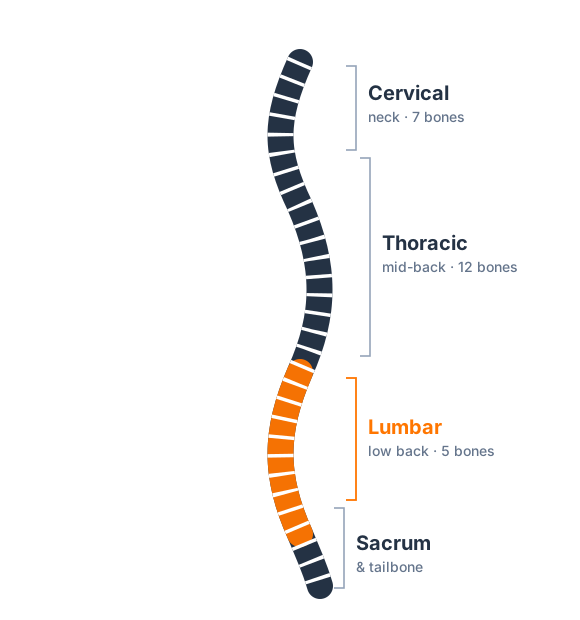
The Injuries This Kind of Care Addresses
Not every crash injury is the same, and the evaluation sorts out which you have. The ones hands-on care most often helps with include:
- Whiplash — the soft-tissue neck injury from the head being whipped back and forth, and the leading reason people seek care after a rear-end crash; it sits within the broader picture of neck pain after a car accident
- Soft-tissue strains and sprains — overstretched muscles and ligaments across the neck, shoulders, and back
- Spinal-joint irritation — the small facet joints of the neck and back jarred and stiffened by the impact
- Muscle guarding and spasm — the tight, protective banding that itself adds pain and limits motion
- Nerve-related and disc symptoms — when the exam points to a disc or disc problem irritating a nerve, care may draw on spinal decompression
Post-crash headaches and dizziness that trace back to the upper neck often respond to this care too, since they frequently come from the same whiplash strain.
What Your First Evaluation Looks Like
A good evaluation is what makes everything that follows safe and specific, and it follows a clear order. When you come in, Dr. Rubinstein starts with the story of the crash: the direction of the impact, whether you saw it coming, your position in the vehicle, when your symptoms began, and how they've changed since. That history alone points to which tissues are likely involved.
The exam then moves in a deliberate sequence:
- A red-flag screen first — before anything else, ruling out the signs that point to a fracture, significant nerve or spinal-cord involvement, or a head injury from the same crash that would need imaging or an urgent medical referral
- Range-of-motion testing — seeing how far and how comfortably you move to find the guarded or restricted directions
- Palpation — feeling along the spine and surrounding muscle to locate joint restrictions, spasm, and tender points
- Orthopedic and neurological checks — testing strength, reflexes, and sensation to make sure a nerve isn't being compressed
- Imaging when appropriate — arranged when the findings warrant it, not as a reflex; many soft-tissue injuries are diagnosed on the clinical exam alone
The aim is a clear picture of your injury, and to get it documented while it's fresh, so the plan fits what's actually going on.
What to Expect From Care
At Thrive Chiropractic in Troy, MI, care is matched to your recovery and starts gently. Early on, the focus is on calming inflammation and restoring comfortable motion; as you heal, it shifts toward rebuilding strength and stability so the pain doesn't linger. A typical plan blends:
- Gentle chiropractic adjustments or mobilization to restore motion to the affected neck, back, and spinal joints once the acute flare allows
- Soft-tissue and massage therapy to release the muscle guarding that follows a crash and support the injured tissue
- Upper cervical care when the top of the neck is involved — common when the crash also brings headaches or dizziness
- Spinal decompression when the exam points to a disc pressing on a nerve and sending symptoms into an arm or leg
- Home care and movement guidance to support your recovery between visits
Nothing is forced — the aim is to help you heal in the right sequence rather than push through pain.
How Care Progresses Over Time
Care isn't static; it changes as you do. In the first phase, while tissues are inflamed and guarding is high, visits stay gentle and focus on settling things down and easing motion back in. As the acute phase passes, the emphasis shifts toward restoring fuller movement and beginning to load the injured area again. In the later phase, the goal becomes rebuilding strength, endurance, and stability so the region holds up to normal life and the injury doesn't keep flaring.
Throughout, Dr. Rubinstein reassesses how you're responding and adjusts the plan. If progress stalls or something changes, that's a prompt to re-examine and, when needed, coordinate the next step rather than simply continue.
Where Chiropractic Fits — and Where It Doesn't
We want to be honest about scope, because it matters for your recovery. Chiropractic care is well suited to the musculoskeletal side of a crash — the whiplash, soft-tissue, and spinal-joint injuries above. It is not a replacement for medical care of everything a crash can cause.
Whenever the evaluation suggests more than a soft-tissue injury, Dr. Rubinstein will say so plainly and coordinate the appropriate referral. This guide, and the care it describes, is about recovery — it isn't legal or insurance advice.
When to Seek Emergency Care First
Most crash injuries are soft-tissue problems that recover well with the right care. But certain symptoms mean you need emergency attention before any routine evaluation — and recognizing them is part of caring for yourself after a collision.
Short of an emergency, reach out to Thrive promptly if pain, stiffness, headaches, or numbness appear or worsen in the hours and days after your crash. Early care makes recovery smoother — you can schedule a visit here and start with the careful exam a crash injury deserves.
Frequently Asked Questions
The questions Dr. Rubinstein hears most about chiropractic care after a collision — whether to be seen, how soon, whether it's safe, and what the evaluation involves — are answered in the FAQ section on this page. If your situation isn't covered there, the team is glad to talk it through before you come in.
Auto Accident Recovery Guide (PDF)A one-page take-home guide: what to do after a crash, common injuries, and the warning signs that need emergency care.PDFThis article is for general education and is not a substitute for professional medical advice, diagnosis, or treatment. Always consult a qualified healthcare provider about your specific situation.
Frequently Asked Questions
Should I see a chiropractor after a car accident?
It's a good idea, even after a seemingly minor crash. Collisions commonly cause whiplash and other soft-tissue and spinal-joint injuries, and symptoms don't always match how the crash looked or appear right away. A prompt evaluation lets us find and address injuries before they settle in, documents them while they're fresh, and flags anything that needs a medical referral.
How soon after a car accident should I get checked?
Sooner is better. Because crash injuries can be delayed by hours or days as adrenaline fades and inflammation builds, waiting to "see if it settles" often just delays care. Getting evaluated in the days after a crash gives your recovery the best start and catches injuries early. If you have any emergency warning signs, though, seek emergency care first.
Is chiropractic care safe after a car accident?
When it starts with a proper evaluation, yes. That's the whole point of screening for red flags and, when warranted, arranging imaging before hands-on care begins — to rule out fractures, significant nerve involvement, or a head injury that would change the plan. Care is then gentle and staged to match where you are in recovery, never forced through pain.
What does chiropractic care after a car accident involve?
After the evaluation, a typical plan blends gentle chiropractic adjustments to restore motion to stiff joints, soft-tissue and massage work to release the muscle guarding a crash creates, and home guidance to support you between visits. It's staged — calming inflammation early, then rebuilding strength — and adjusted as you heal.
Do I need an X-ray or MRI after a car accident?
Not always. Many soft-tissue crash injuries are diagnosed on the clinical exam alone, because the damage is to muscle and ligament that imaging doesn't show well. When the findings point to something more — a suspected fracture, a disc pressing on a nerve, or significant trauma — imaging or a referral is arranged. The evaluation decides, not a blanket rule.
Ready to get evaluated at Thrive Chiropractic?
Dr. Rubinstein will assess what’s really going on and build a care plan tailored to you. Reach out and we’ll get you scheduled.
2133 Crooks Road | Troy MI 48084